

How Blood Sugar May Affect Low Thyroid Symptoms
If you have been told your thyroid levels are "normal" but you still deal with fatigue, weight gain, brain fog, headaches, or low energy, it may be time to take a closer look at another important piece of the puzzle: your blood sugar.
 In my office, I often see people who are focused only on the thyroid gland, while an underlying blood sugar imbalance continues to put stress on the entire body. Let me explain.
Balanced blood sugar is important for overall health, but it may be especially important when you are struggling with low thyroid symptoms. When glucose levels swing too high or too low, your body can respond with inflammatory stress, hormonal disruption, and changes in how well tissues function. In some cases, those changes may make thyroid-related symptoms worse.
Why Blood Sugar Matters So Much
Your body works best when blood sugar stays within a healthy range. In a Functional Medicine model, an ideal fasting blood sugar level is often considered to be between 85 and 99 mg/dL. When blood sugar begins to move outside that range, even if you have not been diagnosed with diabetes, your body may still struggle.
This matters because your nervous system, including your brain and nerves, depends on tight blood sugar control between meals in order to function properly. Since the nervous system helps regulate your cells, tissues, organs, and glands, it is easier to see why balanced blood sugar is so important to your overall health.
You do not have to be diabetic to have blood sugar problems
Many people assume that if they do not have diabetes, then blood sugar is not something they need to worry about. That is not always true.
Blood sugar can become dysregulated long before a person receives a diagnosis of diabetes. Research and clinical observation both suggest that these earlier changes may still affect energy, inflammation, hormones, and brain function.
Blood sugar swings may trigger stress in the body
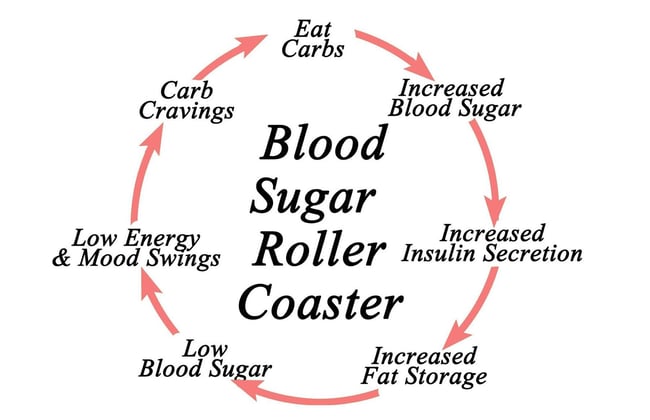
When blood sugar rises too high or falls too low, your body does not simply ignore it. These swings may:
- Increase inflammatory stress
- Put added pressure on the adrenal system
- Affect mood, focus, and mental clarity
- Contribute to energy crashes
- Interfere with healthy metabolic balance
This is one reason a person can feel unwell even when they have not yet been labeled diabetic.
A Pattern I See Too Often
I once worked with a patient who came into my office because of hip pain. During the examination, I noticed several signs that suggested blood sugar instability. The patient had already done some research and suspected diabetes.
The problem was that standard reassurance had left this person thinking everything was still fine because the lab work was only borderline. That kind of situation matters. A result that is close to a cutoff does not always mean the body is functioning well.
After taking a deeper, root-cause approach, we focused on diet, exercise, and proper nutritional support. Over time, the patient improved, no longer dealt with the same level of blood sugar-related symptoms, and even experienced significant relief in the hip.
That does not mean every person will respond the same way, but it does highlight an important truth: waiting until blood sugar becomes severe enough to earn a diagnosis may cause you to miss an opportunity to act earlier.
Common Signs Your Blood Sugar May Be Off
If blood sugar is not regulated well, you may notice symptoms such as:
- Poor memory or forgetfulness
- Fatigue after meals
- Increased thirst
- Increased appetite
- Waist size equal to or larger than hip size
- Feeling shaky, jittery, or trembly
- Blurred vision
- Depending on coffee to get going in the morning
- Feeling lightheaded when meals are missed
- Craving sweets during the day
- Feeling agitated, easily upset, or nervous
- Waking up nauseated
These symptoms do not prove a diagnosis by themselves, but they may be signs that your body needs a closer look.
How Blood Sugar May Influence Thyroid Function
This is where the picture often becomes much clearer. When blood sugar is unstable, the effects may reach far beyond energy and appetite alone. Research suggests that repeated glucose highs and lows may contribute to inflammation, stress-related hormone changes, and metabolic strain that can interfere with how well your body supports healthy thyroid function. In other words, if your blood sugar is off, it may be adding pressure to the same systems you are depending on to help you feel better.
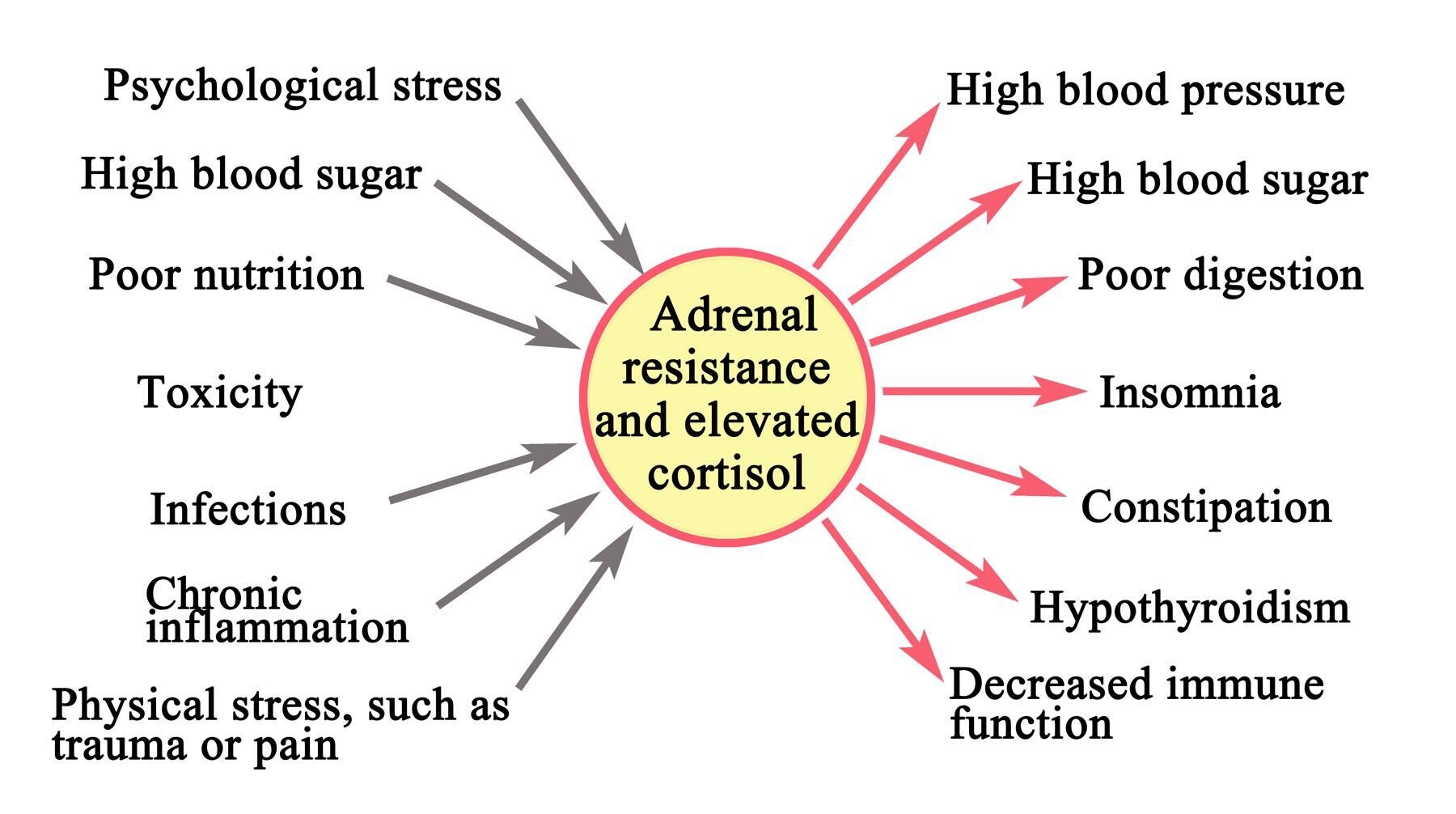
Blood sugar and adrenal stress often travel together
Blood sugar imbalance and adrenal stress frequently influence one another. When that happens, the effects are not always isolated to one part of the body. In some cases, this may place extra strain on systems such as the liver, gut, heart, brain, and hormone-regulating centers.
Thyroid hormone conversion matters
Your body produces thyroid hormone in different forms. One of the better-known forms is T4, which is considered an inactive form. T4 must be converted into T3, the more active form, in peripheral tissues throughout the body.
If blood sugar is unstable, that conversion process may not function as smoothly as it should. As a result, you may continue to struggle with symptoms even when attention has been placed on the thyroid alone.
Supporting the thyroid without addressing blood sugar may fall short
If blood sugar is too high or too low, thyroid support may not produce the progress you hoped for. That is because the thyroid does not work in isolation. It is part of a larger system.
A whole-person, Functional Medicine approach asks a different question: what other underlying factors may be interfering with your body’s ability to function well?
Symptoms That May Overlap with Low Thyroid Function
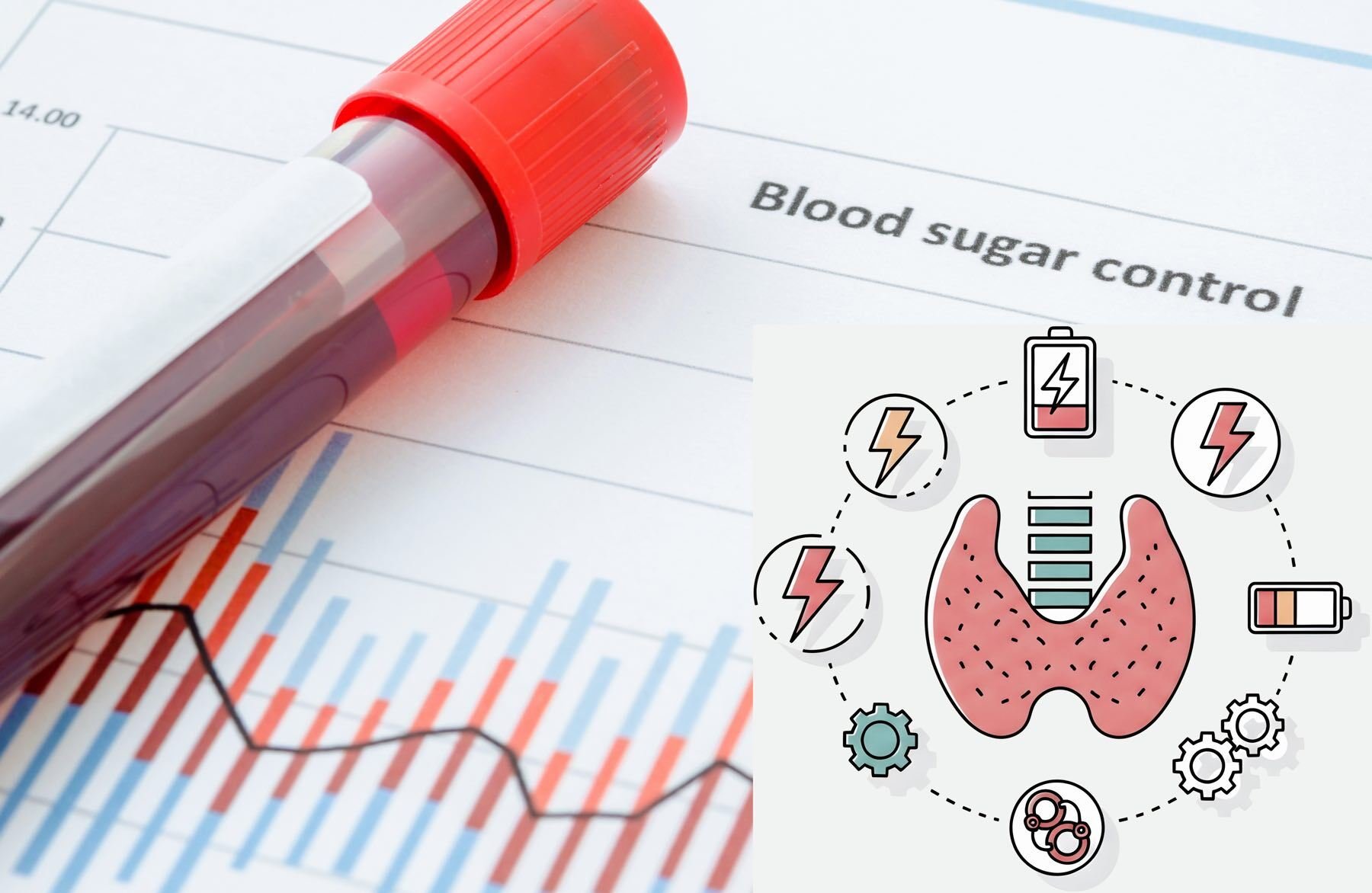 When blood sugar is off, some people may experience symptoms that look very similar to low thyroid challenges, including:
- Fatigue
- Weight gain
- Depression or low mood
- Constipation
- Hair that falls out easily
- Dry skin
- Poor circulation
- Numbness in the hands or feet
- Morning headaches that improve as the day goes on
This overlap is one reason some people continue to suffer. They may be looking only at the thyroid, while another important Root Cause is still being overlooked.
Why Looking Deeper Matters
I see people every day who have health histories that suggest there is more to the story. They may have been told their labs are acceptable. They may already be receiving medical care. Yet they still do not feel like themselves.
Despite receiving medical management, some people continue to battle stubborn symptoms because no one has fully evaluated the whole picture. Blood sugar balance, nutrition, adrenal stress, inflammation, and nervous system function may all deserve attention.
That is why a Patient-Centered, Evidence-Based, non-invasive approach matters. The goal is not simply to chase a label. The goal is to understand what may be contributing to your symptoms and to support your body in a more complete way.
Continuous Glucose Monitors May Help You Look Deeper
One of the most practical tools available today is a continuous glucose monitor, often called a CGM. A CGM tracks glucose levels throughout the day and night, giving you a clearer picture of how your body responds to meals, snacks, exercise, stress, and even sleep.
This matters because a standard blood test gives you only a snapshot. A CGM, on the other hand, may help you see patterns. You may notice that certain foods trigger sharp spikes, that energy crashes happen after specific meals, or that your glucose becomes less stable than you realized between meals.

A system that has recently gained attention is Lingo by Abbott Laboratories. Lingo is an over-the-counter glucose biosensor and app designed to give you minute-by-minute glucose data, along with insights that may help you build healthier habits over time. According to Abbott’s Lingo information, the sensor is worn on the back of the upper arm and works with the Lingo app to help you see how food, movement, and daily routines affect your glucose levels.
Used wisely, tools like this may help you ask better questions and take a closer look at how your body is responding in real life, not just during a single office visit or lab draw.
Note: If the promotional code is currently active, you may be able to receive 15% off at hellolingo.com by using code LNGHCP2 at checkout. You can also find Lingo on Amazon and receive 15% off by using code LNGHCP2.
.png?width=1092&height=660&name=LINGO%20-%2015%25%20Off%20Code%20(LNGHCP2).png)
Determine How Your Diet and Lifestyle Affects Your Sugar Levels
I recommend using a CGM to check your glucose for at least one month. Two months may be even better, because it gives you more time to see how your diet, exercise, stress, and daily routines affect your blood sugar.
You can also share your Lingo data with your functional or medical healthcare practitioner. That information may help guide a more informed conversation and support a plan to optimize your glucose levels.
Natural, Whole-Person Support for Stubborn Symptoms
If you are dealing with ongoing low thyroid symptoms, it may be worth asking:
What should be evaluated?
A deeper review may include:
- Your symptom history
- Blood sugar patterns
- Diet and lifestyle factors
- Stress load and adrenal function
- Nutritional status
- Other overlooked contributors affecting how your body functions
What may help support improvement?
 Depending on the individual, a personalized plan may include:
- Dietary changes
- Exercise guidance
- Nutritional support
- A broader review of underlying metabolic stressors
- A Drug-Free, Non-Invasive, Personalized Care approach
No single therapy is the answer for everyone, but a broader investigation may help uncover why you still do not feel well.
Final Thoughts
If you have low thyroid symptoms and are not getting answers, do not assume the thyroid is the only issue. Blood sugar may be playing a much bigger role than you realize.
What is one overlooked piece of your health picture that may deserve a closer look today?
Work with a practitioner experienced in functional approaches for a variety of health concerns that have been resistant to standard medical care.

If you’d like to understand more about the natural, whole-person approach that guides my work, I invite you to explore what makes my philosophy of care unique.
Always remember one of my guiding principles: the more you understand how your body works, the better you can care for yourself and support your long-term health.
For a deeper look at the natural, whole-person approach I use with my patients, you may enjoy my book, Reclaim Your Life: Your Guide To Revealing Your Body’s Life-Changing Secrets For Renewed Health. It is available in my office, on Amazon, and through many other booksellers.
Please share this article with anyone who could benefit, and help inspire others to take an active role in their health and wellness. Use the social sharing icons at the top of the post and share it with those who are still living with chronic health challenges despite medical management. Together, we can reach more people and help them regain their enthusiasm for living. Thank you.
ALL THE BEST – DR. KARL R.O.S. JOHNSON, DC – DIGGING DEEPER TO FIND SOLUTIONS
This article is for educational purposes only and is not a substitute for individualized guidance from a qualified healthcare professional.