
A Story That Deserves Attention
A recent conversation highlighted a story that is difficult to forget.
A woman shared that her brother died from a heart attack in his 40s. What made the loss even more shocking was that he had previously been told his coronary calcium score was perfect, meaning his score was 0.
For many people, that kind of result sounds reassuring. It can create the impression that there is little or no cardiovascular risk.
But as this family learned far too late, a calcium score does not always tell the whole story.
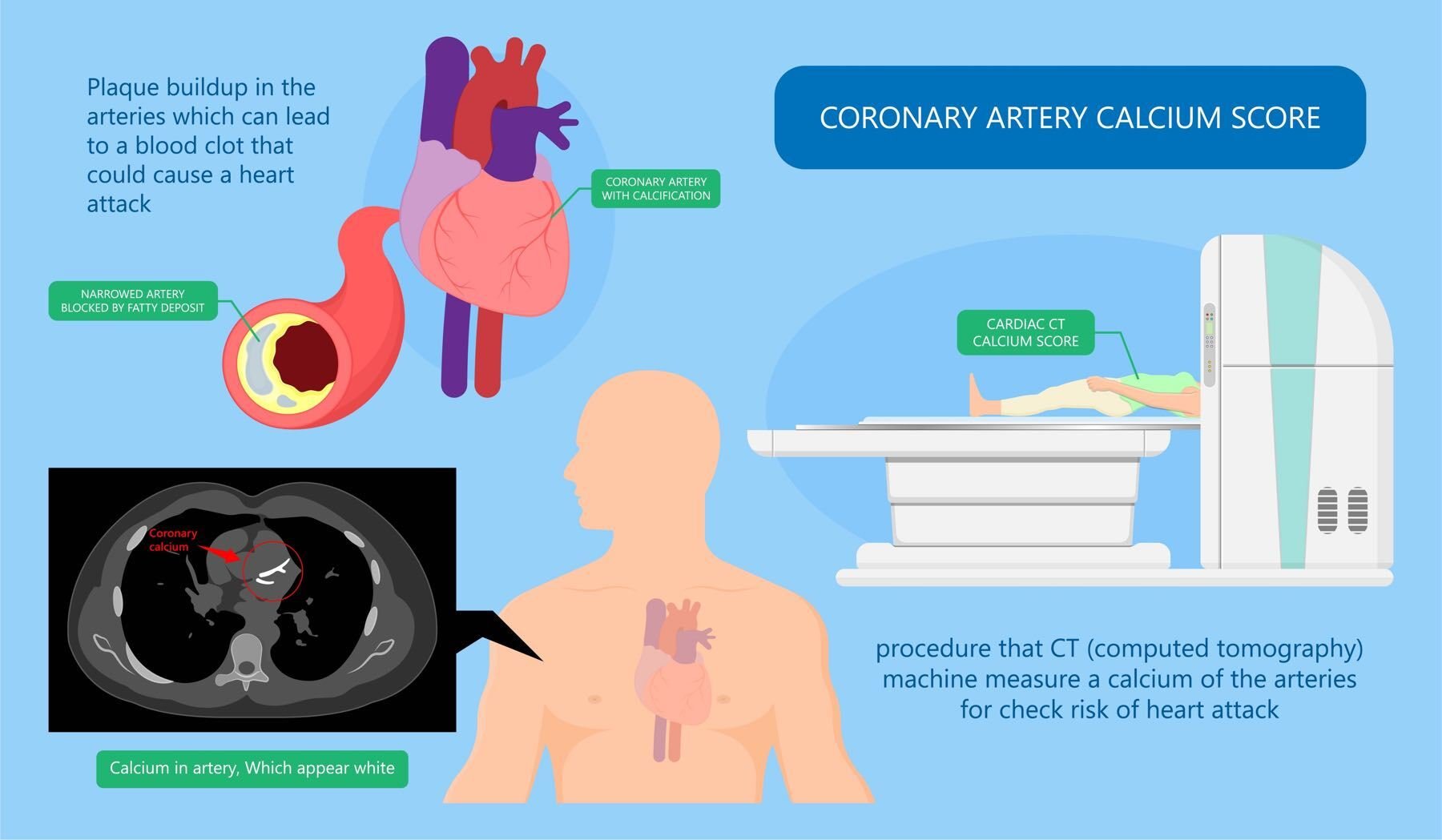
What a Coronary Calcium Score Can—and Cannot—Show
A coronary calcium score is a valuable screening tool for many patients because it helps detect calcified plaque in the arteries. That makes it useful, but it also has limits.
What it does not fully detect is soft, non-calcified plaque. This kind of plaque can develop quietly, remain hidden on a calcium scan, and still become dangerous. In some cases, soft plaque can become unstable, rupture, and trigger a heart attack even when a calcium score is zero.
That is why a “normal” result should always be interpreted in the context of the whole person, not as a stand-alone guarantee of safety.
When Zero Does Not Mean Zero Risk
After this woman’s brother passed away, additional testing revealed that he had approximately 90% blockage in his left anterior descending artery, often called the LAD or “widow maker.” Much of that blockage was related to soft plaque that had not been identified by his calcium score.
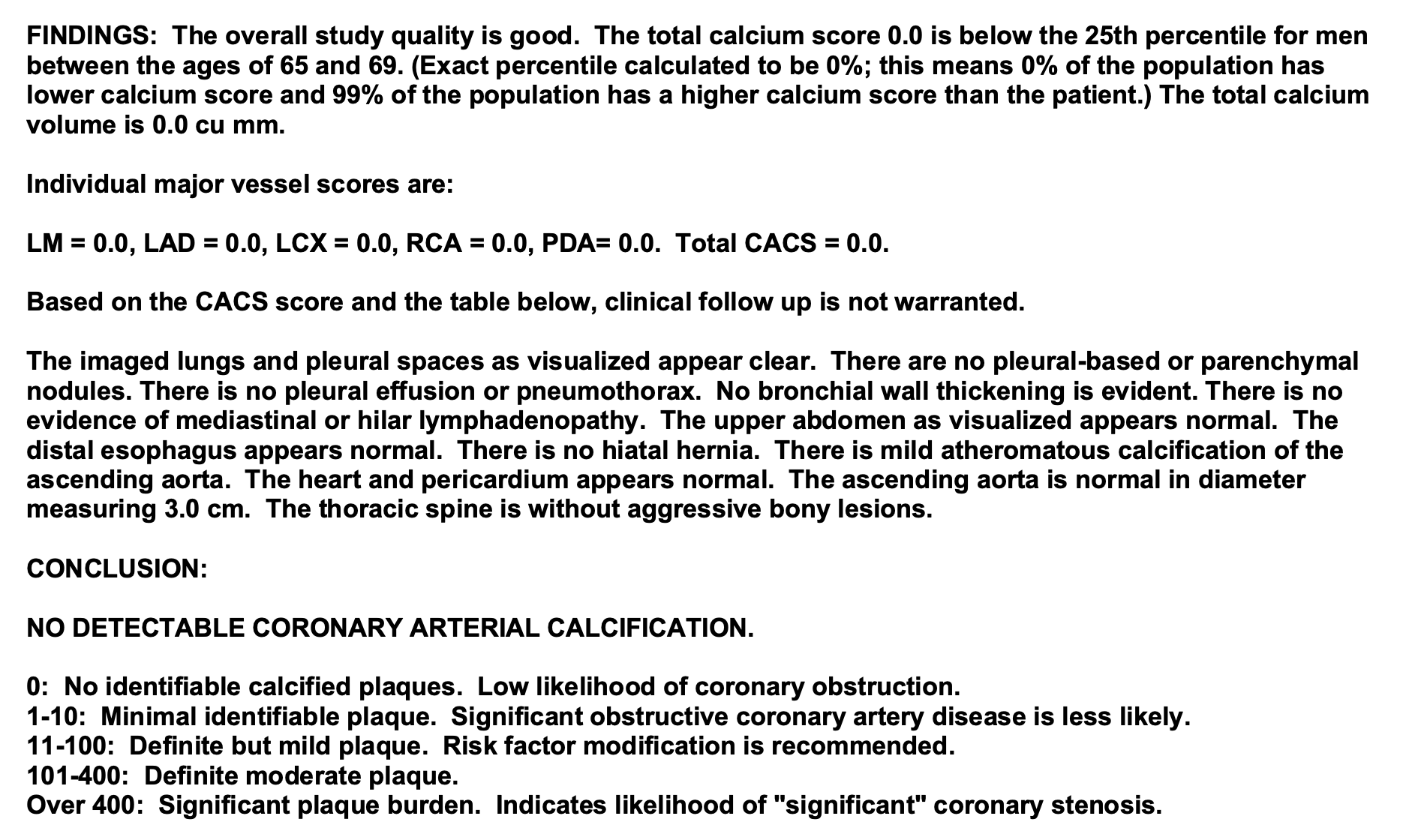
This is an important reminder that cardiovascular risk is more complex than a single screening number. A test result may appear normal while significant underlying risk is still present.
HOMOCYSTEINE AND ARTERY INFLAMMATION
Another factor worth considering is homocysteine. When homocysteine levels are elevated, research suggests it may irritate the delicate inner lining of the blood vessels, increase oxidative stress, and contribute to inflammation within the artery wall. Over time, these processes may create an environment that supports plaque development and vascular injury.
This matters because not all plaque is calcified. Some plaque remains soft and non-calcified, which means it may not appear on a CT coronary calcium score even while risk is still developing beneath the surface. In the right clinical context, homocysteine may be one more piece of the puzzle that helps explain why a reassuring calcium score does not always tell the whole story.
The Overlooked Role of Iron Overload
There was another important factor in his case: hereditary hemochromatosis, an iron overload disorder that had not been properly managed.
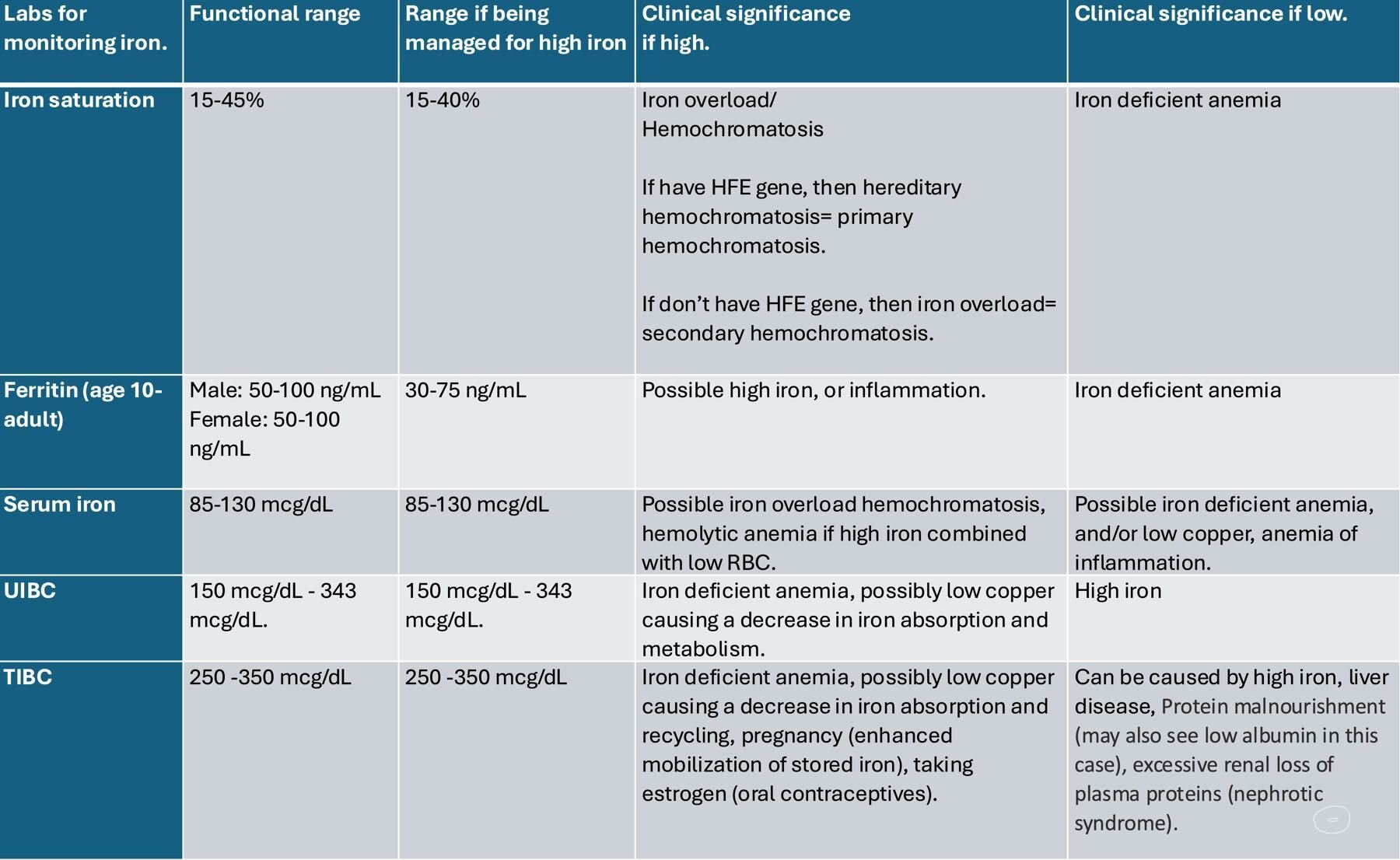
Many people think of iron overload primarily as a liver issue, but excess iron does not affect only the liver. Elevated iron levels can increase oxidative stress, damage blood vessels, and contribute to inflammation throughout the body. Research suggests these processes may also play a role in the development and progression of cardiovascular disease.
For individuals with hereditary hemochromatosis, early recognition and proper treatment can dramatically reduce iron levels and may help lower long-term health risks.
Who May Need a Closer Look
Does this mean everyone needs more advanced heart testing? Not necessarily.
A coronary calcium score remains a helpful screening tool for many people. However, it is important to understand what the test can and cannot tell you.
For individuals with a strong family history of premature heart disease, hereditary hemochromatosis, elevated genetic risk, persistent symptoms, or other significant risk factors, a physician may determine that additional testing is appropriate. In some cases, that may include a coronary CT angiogram, also known as a CCTA.
Newer AI-assisted analysis platforms, including Cleerly, can also help physicians evaluate both calcified plaque and soft plaque on these scans, offering a more complete view of coronary artery health.
The Bottom Line
A normal test result is not always the full story.
Understanding your genetics, iron status, homocysteine, family history, symptoms, and overall cardiovascular risk can provide a much more complete picture of your health. If you or someone you love has hereditary hemochromatosis, unexplained high ferritin, elevated transferrin saturation, or a strong family history of heart disease, it is worth taking a closer look rather than assuming everything is fine.
BOOK RECOMMENDATION: THE IRON CURSE
For readers who want a deeper understanding of hereditary hemochromatosis and iron overload, Dr. Christy Sutton’s book, The Iron Curse, may be a helpful resource. It offers additional educational insight into a condition that is often overlooked until symptoms or complications become more significant. Dr. Sutton also has educational workshops on hereditary hemochromatosis. Because sometimes the greatest risk is not what a test finds—it is what the test cannot see.
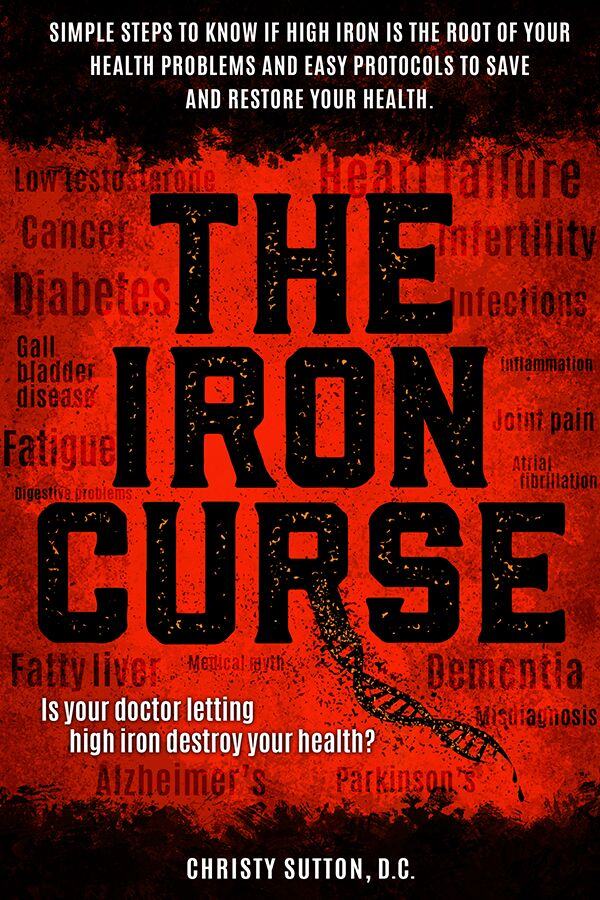 The book explores how iron overload may affect multiple systems in the body, including the heart, brain, liver, hormones, and joints. For individuals trying to better understand the broader impact of iron dysregulation, it can serve as a useful next step in learning more about the condition.
Knowledge today may help prevent tragedy tomorrow. For those who would like to better understand how iron overload may affect the body—including the heart, brain, liver, hormones, and joints—Dr. Christy Sutton’s book, The Iron Curse, and her educational workshops on hereditary hemochromatosis may be valuable resources. If your ferritin is elevated, learning from Dr. Sutton’s work can be especially valuable.
A Final Thought
Thank you for taking a few moments to read this. My hope is that information like this helps you ask better questions, look deeper when needed, and stay encouraged as you pursue answers.
What’s one important piece of your health history you may need to take a closer look at today?

If you’d like to understand more about the natural, whole-person approach that guides my work, I invite you to explore what makes my philosophy of care unique.
Always remember one of my guiding principles: the more you understand how your body works, the better you can care for yourself and support your long-term health.
For a deeper look at the natural, whole-person approach I use with my patients, you may enjoy my book, Reclaim Your Life: Your Guide To Revealing Your Body’s Life-Changing Secrets For Renewed Health. It is available in my office, on Amazon, and through many other booksellers.
Please share this article with anyone who could benefit, and help inspire others to take an active role in their health and wellness. Use the social sharing icons at the top of the post and share it with those who are still living with chronic health challenges despite medical management. Together, we can reach more people and help them regain their enthusiasm for living. Thank you.
ALL THE BEST – DR. KARL R.O.S. JOHNSON, DC – DIGGING DEEPER TO FIND SOLUTIONS