---
title: The Many Health Benefits of Olive Oil
description: Discover the extensive health benefits of extra virgin olive oil, from reducing inflammation to supporting heart, bone, digestive, and cognitive health.
image: https://www.helpmychronicpain.com/hubfs/images/AdobeStock_Mediterranean%20Green-1800.jpeg
---
[](https://www.helpmychronicpain.com)
[](http://helpmychronicpain.com/)
## Dr. Karl R.O.S. Johnson's Chronic Condition Natural Treatment Blog
*Intentional musings of a unique Shelby Township Michigan Chiropractic Physician dedicated to helping people find solutions to improving their health by rooting out causes to chronic conditions such as fibromyalgia, stubborn thyroid disorder symptoms, balance disorders, chronic knee & shoulder pain, migraines, sciatica, ADD/ADHD/ASD, back pain, peripheral neuropathy, gluten sensitivity and autoimmune disorders so they can Reclaim Their Life!*
# From the Desk of Dr. Karl R.O.S. Johnson, DC.....
## [The Many Health Benefits of Olive Oil](https://www.helpmychronicpain.com/blog/the-many-health-benefits-of-olive-oil)
Posted by [Dr. Karl R.O.S. Johnson, DC](https://www.helpmychronicpain.com/blog/author/dr-karl-ros-johnson-dc) on Tue, Jan 13, 2026
Find me on:
[Facebook ](https://www.facebook.com/ShelbyChronicConditionDoctor) [LinkedIn](https://www.linkedin.com/pub/dr-karl-r-o-s-johnson-dc/26/676/422) [Twitter ](https://twitter.com/WellnessChiroMI)
- [Tweet](https://twitter.com/share)
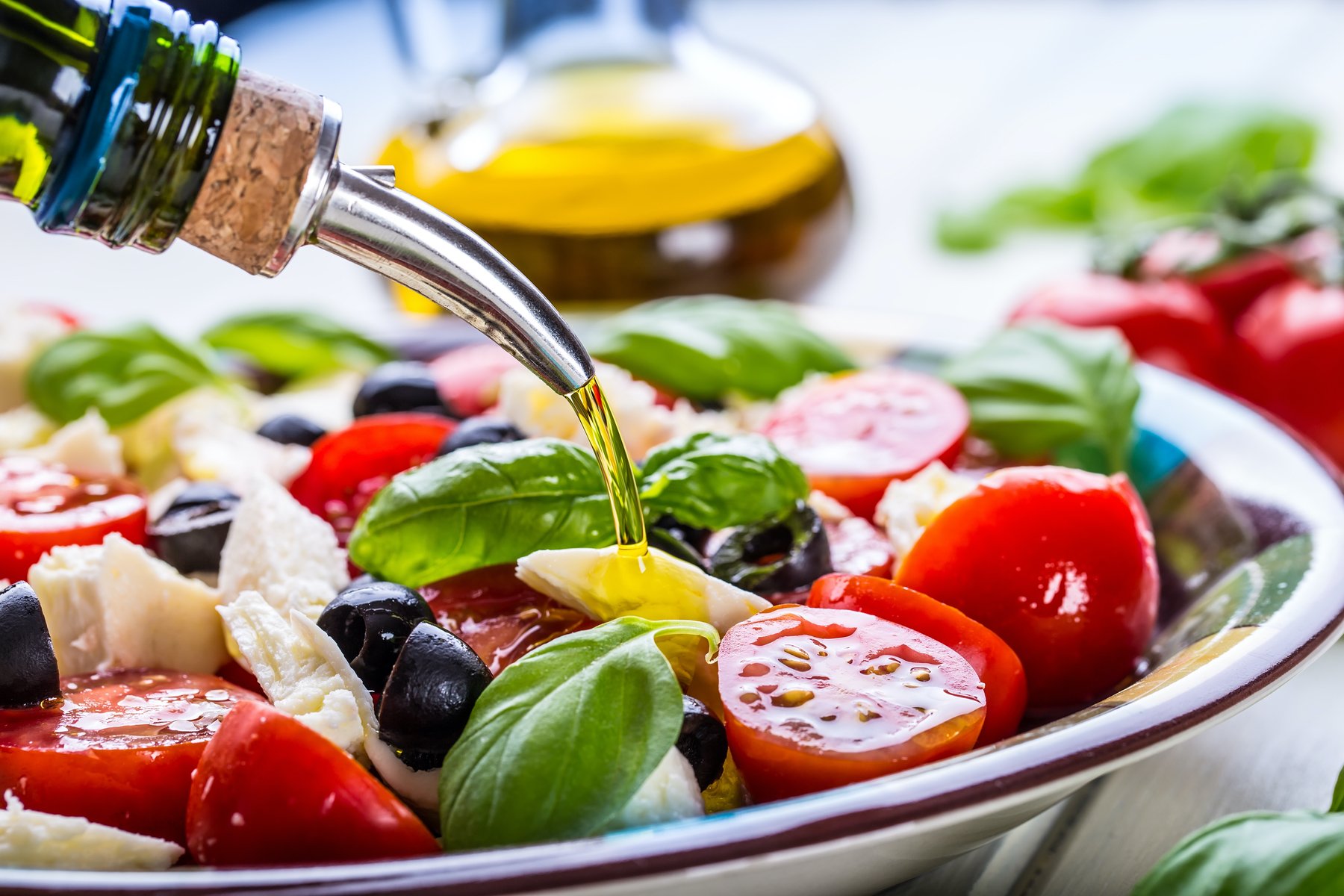
Thanks to its status as a spotlight food in the Mediterranean Diet, and thanks to extensive research on its unique phytonutrient composition, olive oil has become a legendary culinary oil with very difficult-to-match health benefits. Among its extensive list of phytonutrients, no single category of nutrients is more important than its polyphenols. These natural plant compounds are largely responsible for olive oil’s ability to calm inflammation, protect cells from oxidative stress, and support key systems in the body such as the heart, brain, bones, and digestive tract.
Polyphenols in extra virgin olive oil act as powerful antioxidants, helping to neutralize free radicals before they can damage tissues, blood vessels, or even DNA. They also serve as gentle, food-based anti-inflammatory agents that can help down-regulate pro-inflammatory chemicals and enzymes in the body. This dual action—both antioxidant and anti-inflammatory—is a major reason why olive oil stands out among culinary oils and is so strongly associated with health benefits in research on the Mediterranean Diet.
The specific blend and concentration of polyphenols in olive oil are influenced by factors such as the olive variety, growing conditions, harvest time, and how the oil is processed. Early-harvest, minimally processed extra virgin olive oil generally retains the highest levels of these protective compounds. This is why choosing a high-quality extra virgin olive oil is important when you are using it for its health-promoting properties, not just for flavor.
The list below shows some of the key polyphenols found in olive oil, organized by their chemical category:
## Simple Phenols
- tyrosol
- hydroxytyrosol
- Terpenes
- oleuropein
- ligstroside
- Flavones
- apigenin
- luteolin
- Hydroxycinnamic acids
- caffeic acid
- cinnamic acid
- ferulic acid
- coumaric acid
- Anthocyanidins
- cyanidins
- peonidins
- Flavonols
- quercetin
- kaempferol
- Flavonoid glycosides
- rutin
- Lignans
- pinoresinol
- Hydroxybenzoic acids
- vanillic acid
- syringic acid
Most of the polyphenols listed here have been shown to act both as antioxidants and as anti-inflammatory compounds in the body. Together, their sheer number and diversity help explain why extra virgin olive oil offers such distinctive, hard-to-match health benefits.
## Anti-Inflammatory Benefits
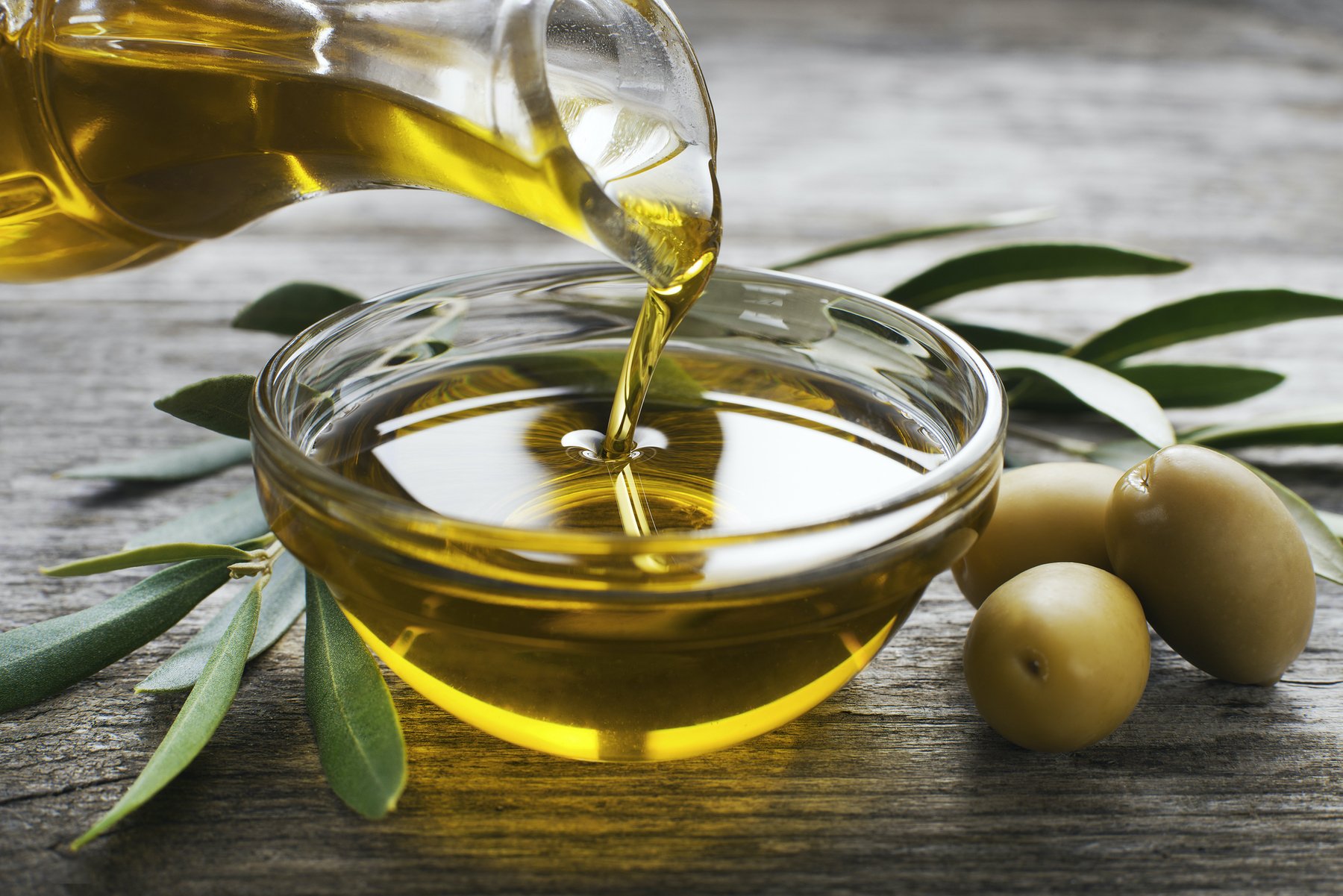
It may seem counterintuitive to think of a cooking oil as an anti-inflammatory food. Most plant oils are nearly 100% fat and are generally categorized as “added fats” in the diet. Excess intake of added fats can contribute to a number of health concerns—including those tied to increased inflammation. That’s why it’s so noteworthy that one particular culinary oil has repeatedly been shown to calm inflammation and support health in this area. That oil is extra virgin olive oil.
The anti-inflammatory power of extra virgin olive oil is closely tied to its rich supply of polyphenols. These naturally occurring compounds span at least nine distinct polyphenol families and include more than two dozen well-studied anti-inflammatory nutrients. Research has shown that olive oil polyphenols help lower the risk of inflammation through multiple pathways. They can dial down the production of signaling molecules that drive inflammation (such as TNF-alpha, interleukin-1 beta, thromboxane B2, and leukotriene B4), inhibit pro-inflammatory enzymes like cyclooxygenase-1 and cyclooxygenase-2, and reduce the synthesis of inducible nitric oxide synthase, an enzyme that can amplify inflammatory responses.
In heart patients, extra virgin olive oil and its polyphenols have also been shown to lower blood levels of C-reactive protein (CRP), a widely used marker for evaluating the likelihood of unwanted inflammation. In addition, they help reduce activity in a key metabolic route called the arachidonic acid pathway, which plays a central role in driving inflammatory processes.
These anti-inflammatory advantages of extra virgin olive oil do not require large amounts. Studies suggest that even 1–2 tablespoons per day can be linked with meaningful, measurable reductions in inflammation.
I personally use and recommend [**Atlas High-Polyphenol Olive Oil**](https://www.amazon.com/dp/B07L9GVGPM/ref=cm_sw_r_as_gl_api_gl_i_A7N2R7F4RHB89H2777XN?linkCode=ml1&tag=chiropracwellnes&linkId=597cea4d8d8c2af560b2aa6e01e56e22)** **because it consistently delivers the kind of polyphenol-rich, early-harvest extra virgin olive oil highlighted here. It is competitively priced, USDA organic, delicious, and reliably fresh.
## Cardiovascular Benefits
Many cardiovascular problems—including the gradual blocking of arteries and blood vessels (atherosclerosis)—can be traced back to two major underlying issues. The first is called oxidative stress, which refers to excess damage (or the risk of damage) caused by overly reactive, oxygen-containing molecules. One of the most effective ways to counter oxidative stress is to follow a diet rich in antioxidant nutrients.
The second underlying issue is ongoing, low-grade (chronic) inflammation. This kind of persistent, unwanted inflammation can arise from many sources, including an imbalanced metabolism, a stressful or unbalanced lifestyle, exposure to environmental toxins, and other contributing factors. A diet abundant in anti-inflammatory nutrients is one of the best strategies for helping to calm this chronic inflammation.
When a food is naturally rich in both antioxidant and anti-inflammatory compounds, it becomes a powerful ally in lowering our risk of heart-related problems because it delivers the right combination of nutrients to address these two core drivers: oxidative stress and chronic, unwanted inflammation. While many foods contain meaningful amounts of these protective compounds, few match extra virgin olive oil for its density and diversity of antioxidant and anti-inflammatory nutrients. This nutritional profile goes a long way toward explaining why research consistently links extra virgin olive oil with such significant cardiovascular benefits.
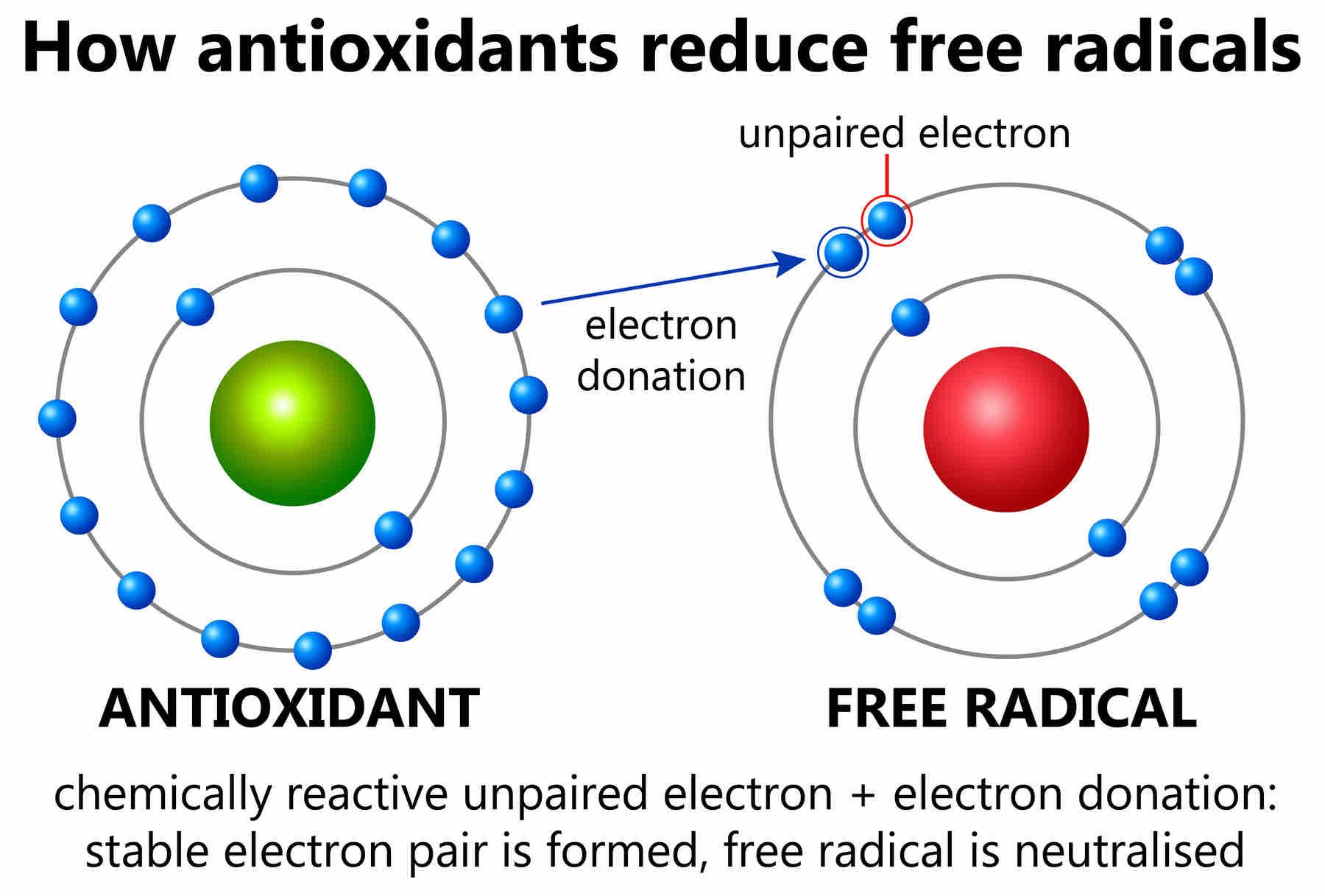
In terms of antioxidant protection for our blood vessels, olive oil has been shown to lower risk of lipid peroxidation (oxygen damage to fat) in our bloodstream. Many of the fat-containing molecules in our blood—including molecules like LDL—need to be protected from oxygen damage. Oxygen damage to molecules like LDL significantly increases our risk of numerous cardiovascular diseases, including atherosclerosis. Protection of the LDL molecules in our blood from oxygen damage is a major benefit provided by olive oil and its polyphenols. Equally important is protection against oxygen damage to the cells that line our blood vessels. Once again, it's the polyphenols in olive oil that have been shown to provide us with that protection.
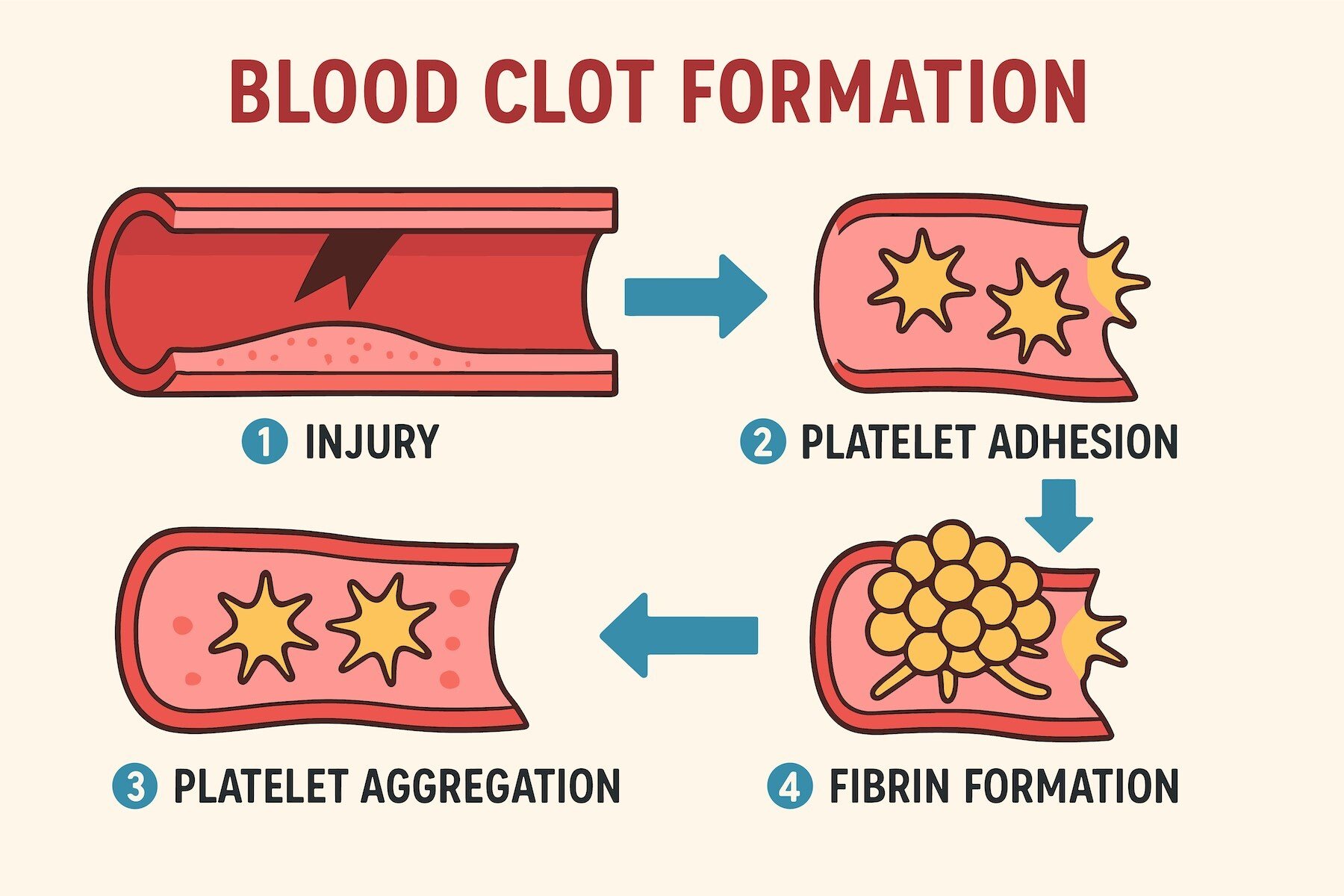
One process we don't want to see in our blood vessels is too much clumping together of blood cells called platelets. While we want to see blood platelets clump together under circumstances like an open wound, where their clumping together acts to seal off the wound, we don't want this process to occur in an ongoing way when there is no acute emergency. Several of the polyphenols found in olive oil—including hydroxytyrosol, oleuropein and luteolin—appear to be especially helpful in keeping our blood platelets in check and avoiding problems of too much clumping (called platelet aggregation). There are also two messaging molecules (called plasminogen activator inhibitor-1 and factor VII) that are capable of triggering too much clumping together of the platelets, and the polyphenols in olive oil can help stop overproduction of these molecules.
Olive oil is one of the few widely used culinary oils that contains about 75% of its fat in the form of oleic acid (a monounsaturated, omega-9 fatty acid). Research has long been clear about the benefits of oleic acid for proper balance of total cholesterol, LDL cholesterol, and HDL cholesterol in the body. When diets low in monounsaturated are made high in monounsaturated fat (by replacing other oils with olive oil), research study participants tend to experience a significant decrease in their total blood cholesterol, LDL cholesterol, and LDL:HDL ratio. Those are exactly the results we want for heart health. In addition to these cholesterol-balancing effects of olive oil and its high oleic acid content, however, comes a new twist: recent research studies have shown that olive oil and its oleic acid may be important factors for lowering blood pressure. Researchers believe that the plentiful amount of oleic acid in olive oil gets absorbed into the body, finds its way into cell membranes, changes signaling patterns at a cell membrane level (specifically, altering G-protein associated cascades) and thereby lowers blood pressure.
A recent laboratory animal study does add a useful note of caution for anyone looking to enjoy the cardiovascular benefits of olive oil. In this research, the protective effects of olive oil and its polyphenols were not observed when the animals consistently consumed excess calories and overall food. In other words, even though olive oil is a standout source of polyphenols for cardiovascular support, it still needs to be used as part of a balanced, calorie-appropriate eating pattern in order to deliver its full expected benefits.
## Digestive Health Benefits
Benefits of olive oil for the digestive tract were first uncovered in research on diet and cancers of the digestive tract. Numerous studies found lower rates of digestive tract cancers—especially cancers of the upper digestive tract, including the stomach and small intestine—in populations that regularly consumed olive oil. Studies on the Mediterranean Diet were an important part of this initial research on olive oil and the digestive tract. Protection of the lower digestive tract (for example, protection of the colon from colon cancer) is less well-documented in the olive oil research, even though there is some strongly supportive evidence from select laboratory animal studies. Many of these anti-cancer effects in the digestive tract were believed to depend on the polyphenols in olive oil and their antioxidant plus anti-inflammatory properties. One particular category of polyphenols, called secoiridoids, continues to be a focus in research on prevention of digestive tract cancers.
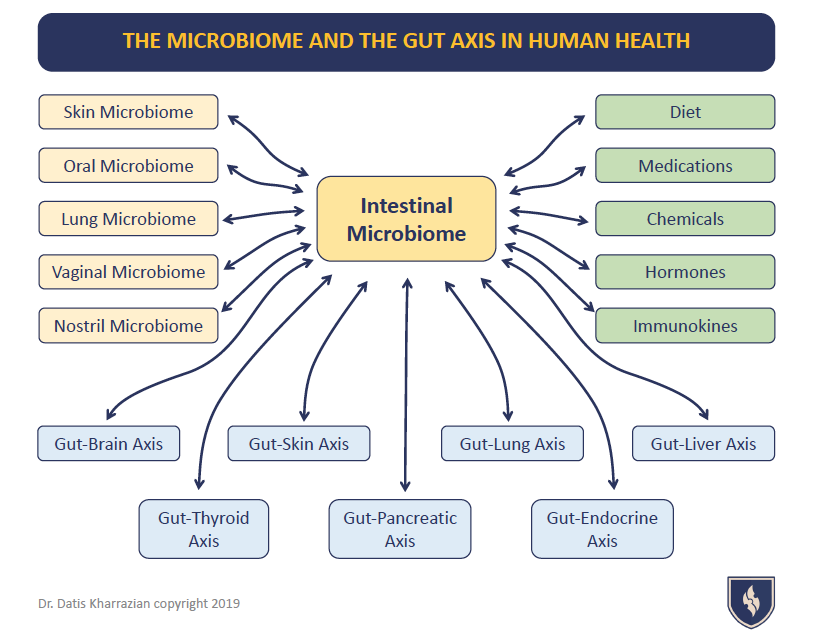
Recent research has provided us with even more information, however, about olive oil, its polyphenols, and protection of the digestive tract. One fascinating area of recent research has involved the polyphenols in olive oil and the balance of bacteria in our digestive tract. Numerous polyphenols in olive oil have been shown to slow the growth of unwanted bacteria, including bacteria commonly responsible for digestive tract infections. These polyphenols include oleuropein, hydroxytyrosol, and tyrosol. Some of these same polyphenols—along with other olive oil polyphenols like ligstroside—are specifically able to inhibit the growth of the Helicobacter pylori bacterium. This effect of the olive oil polyphenols may be especially important, since overpopulation of Helicobacter bacteria coupled with over-attachment of Helicobacter to the stomach lining can lead to stomach ulcer and other unwanted digestive problems.
## Bone Health Benefits
Support for overall bone health is another promising area of olive oil research. Although much of the early work has been done in laboratory animals, improved blood levels of calcium have repeatedly been linked with olive oil consumption. In addition, at least two simple phenolic compounds in olive oil—tyrosol and hydroxytyrosol—have been shown to enhance bone formation in rats. A recent team of researchers has also proposed that olive oil may offer particular bone-supportive benefits for postmenopausal women, based on findings of improved blood markers of bone health in female rats fed olive oil after their ovaries were removed. Taken together, these studies suggest that bone-supportive effects may eventually be recognized as an important part of olive oil’s overall health benefits.
## Cognitive Benefits
Improved cognitive function—especially among older adults—is a well-known feature of the Mediterranean Diet. As the staple oil in that diet, olive oil has been of special interest for researchers interested in diet and cognitive function. In France, a recent study large-scale study on older adults has shown that visual memory and verbal fluency can be improved with what the researchers called "intensive use" of olive oil. In this case, "intensive use" meant regular use of olive oil not just for cooking, or as an ingredient in sauces and dressings, but in all of these circumstances.
Equally fascinating to us in the area of cognition has been recent research on olive oil intake and brain function. In laboratory animals with brain function that had been compromised by lack of oxygen, consumption of olive oil helped offset many different types of brain-related problems, including unbalanced water content, unbalanced nervous system activity, and too easy passage of molecules across the blood brain barrier. This animal research has given scientists many further clues about the ways in which olive oil might provide us with cognitive benefits. The ability to help protect our brain during times of imbalance may turn out to be one of the special health benefits offered by this unique culinary oil.
## Anti-Cancer Benefits
The polyphenols found in olive oil are a natural for helping us lower our risk of certain cancer types. Many types of cancer only get initiated when cells are overwhelmed by oxidative stress (damage to cell structure and function by overly reactive oxygen-containing molecules) and by chronic excessive inflammation. Since the polyphenols in olive oil act both as antioxidants and anti-inflammatory molecules, they are perfectly suited for lowering our cells' risk of oxidative stress and chronic unwanted inflammation. Research studies have shown that as little as 1-2 tablespoons of olive oil per day can lower our risk of certain cancer types, including cancers of the breast, respiratory tract, upper digestive tract, and to a lesser extent, lower digestive tract (colorectal cancers). In some research studies, the anti-cancer benefits of olive oil do not show up until the diets of routine olive oil users are compared with the diets of individuals who seldom use olive oil and who instead consume added fats that are more saturated in composition (for example, butter).

While most of the anti-cancer research on olive oil has focused on its polyphenols and their antioxidant and anti-inflammatory properties, several studies have uncovered other fascinating ways in which olive oil provides its anti-cancer benefits. These other ways include the improvement of cell membrane function in a way that lowers risk of cancer development and the altering gene expression in cells in a way that enhances their antioxidant defense system. A final important mechanism linking olive oil intake to decreased cancer risk involves protection of our DNA. The antioxidants in olive oil appear to have a special ability to protect DNA (deoxyribonucleic acids)—the key chemical component of genetic material in our cells—from oxygen damage. DNA protection from unwanted oxidative stress means better cell function in wide variety of ways and provides a cell with decreased risk of cancer development.
There is also encouraging research on the potential for olive oil to help with control of certain cancers once they have already developed. For example, improvement of breast cancer status has been an area of particular interest in olive oil research. Here some of the research has focused on the secoiridoids in olive oil (especially oleocanthal), and its ability to help keep breast cancer cells from reproducing. Another example involves the ability of hydroxytyrosol (HT) in olive oil to trigger programmed cell death (apoptosis) in colon cancer cells. HT may be able to accomplish this anti-cancer effect by helping block the enzymatic activity of fatty acid synthetase (FAS). These cancer-controlling properties of olive oil and olive oil constituents are generally referred to as the "antiproliferative" properties of olive oil. We expect to see more future research in this area.
## Overview
Olive oil is made from the crushing and then subsequent pressing of olives. The fact that olives are rich in oil is reflected in the botanical name of the olive tree—Olea europea—since the word "oleum" means oil in Latin. Olive oil is available in a variety of grades, which reflect the degree to which it has been processed. Extra virgin olive oil is derived from the first pressing of the olives and has the most delicate flavor and strongest overall health benefits.
[](https://www.amazon.com/dp/B07L9GVGPM/ref=cm_sw_r_as_gl_api_gl_i_A7N2R7F4RHB89H2777XN?linkCode=ml1&tag=chiropracwellnes&linkId=597cea4d8d8c2af560b2aa6e01e56e22)
## Atlas Olive Oil Is My Recommendation for Olive Oil
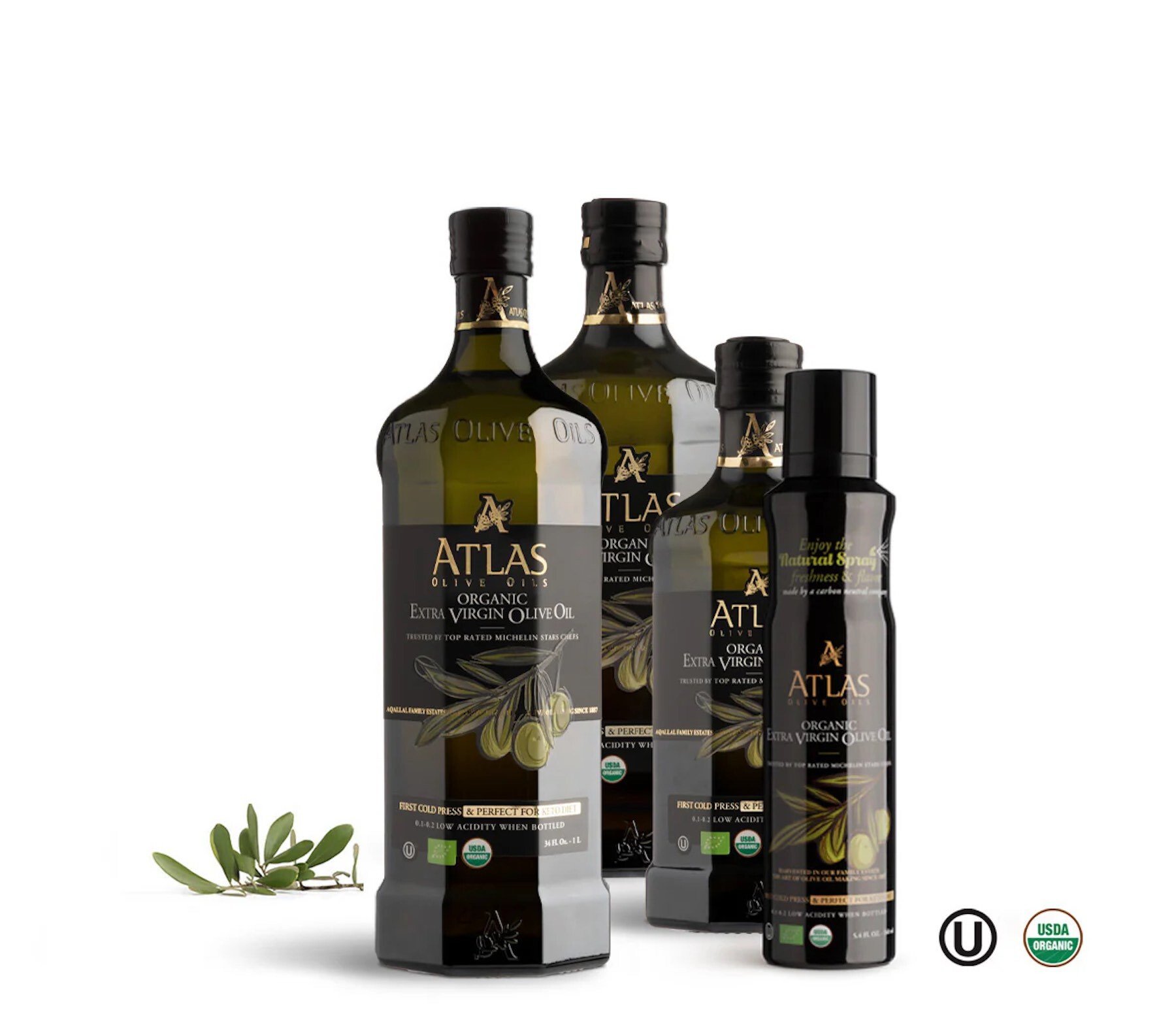
This extra virgin olive oil is crafted from olives grown in the foothills of the Atlas Mountains in the Marrakech region. [ATLAS extra virgin olive oil](https://www.amazon.com/dp/B07L9GVGPM/ref=cm_sw_r_as_gl_api_gl_i_A7N2R7F4RHB89H2777XN?linkCode=ml1&tag=chiropracwellnes&linkId=597cea4d8d8c2af560b2aa6e01e56e22) offers a layered, nuanced aroma with notes of ripe banana, red apple, and tomato. Its distinctive flavor reflects a carefully balanced blend: the fruity depth of the Moroccan Picholine variety, a subtle artichoke note from the native Dahbia olive, and the smoothing influence of Arbequina—together creating the aromatic complexity characteristic of our region’s finest oils.
The Atlas Mountains of Morocco provide an ideal, high-altitude microclimate that nurtures exceptionally nutrient-dense olives, resulting in a naturally polyphenol-rich oil. Atlas Olive Oils is dedicated to producing premium, cold-pressed Moroccan extra virgin olive oil that is sustainably grown, carefully harvested, and ethically produced to preserve both quality and health-promoting benefits.
Atlas Moroccan extra virgin olive oil is cold-pressed only once and kept at carefully controlled temperatures to safeguard its natural polyphenols, flavor, and full nutritional value.
You’ll notice a delicately layered aroma with hints of almond and culinary herbs, rounded out by subtle notes of sweet banana, lemon, and basil. Its flavor is refined yet satisfying, making it a pleasure on the palate. Atlas 100% organic extra virgin Moroccan olive oil contains no added chemicals or harsh processing agents, so you can enjoy it with confidence. This gently complex oil is versatile enough for everyday cooking and is equally at home in baking, desserts, and other recipes where both flavor and quality matter.
## Disclaimer
Remember none of these statement in this blog have been evaluated by the Food and Drug Administration. This product is not intended to diagnose, treat, cure, or prevent any disease.
[](https://cta-redirect.hubspot.com/cta/redirect/67234/18beb174-b53e-4a4d-8018-f3bb7049a9e7)
Please spread the word and inspire others to take control of their health and wellness.
To learn more, [check out what makes my philosophy unique](https://www.helpmychronicpain.com/what-makes-me-unique/) among healthcare providers.
---
Always remember one of my mantras. "The more you know about how your body works, the better you can take care of yourself."
---
For more details about the natural approach I take with my patients, take a look at the book I wrote entitled: [Reclaim Your Life: Your Guide To Revealing Your Body's Life-Changing Secrets For Renewed Health](https://www.helpmychronicpain.com/reclaim-your-life/). It is available at my office, on Amazon, and at many other book outlets. If you found value in this article, **please use the social sharing icons at the top of this post, and please share with those you know** who are still suffering with chronic health challenges, despite receiving medical management. Help me reach more people so they may regain their zest for living! Thank you!
## ALL THE BEST – [DR. KARL R.O.S. JOHNSON, DC](https://www.helpmychronicpain.com/about-me) – DIGGING DEEPER TO FIND SOLUTIONS
[ ](https://www.helpmychronicpain.com/hs/cta/wi/redirect?encryptedPayload=AVxigLJeSFfDlfrYKNwcwXbzM4%2BbIbaihNYxgx9ovYQ1bgKLxtzWTK4wBz1LTxS9knS%2FwNj6QV5KavHPlpp3b4k2oVbz%2FBq%2BVC14LX06N9odvnvsN0eWV3oOcRGZLtBhiSzNZBDRWnZJcQfxLhwWnYLFx5c%2BOvDpK39iblwfX73XOnBq6E8ZIg4jbtPp%2BSpKN4%2FL&webInteractiveContentId=198884999551&portalId=67234)
### STAY INFORMED - Sign Up For Dr. Johnson's Blog Updates
Search This Blog
Search Google
[](https://cta-redirect.hubspot.com/cta/redirect/67234/18beb174-b53e-4a4d-8018-f3bb7049a9e7)
### Call Dr. Johnson
#### 586-731-8840
### Follow Me
### Latests Posts
### Most Popular Posts
[](https://cta-redirect.hubspot.com/cta/redirect/67234/9f6ed339-86f2-4e81-afff-effda60643ed)
[Powered by Eventbrite](http://www.eventbrite.com/)
- [Home](https://www.helpmychronicpain.com/)
- [About Dr. Karl R.O.S. Johnson, DC](https://www.helpmychronicpain.com/about-me/)
- [What Makes Me Unique and Effective?](https://www.helpmychronicpain.com/what-makes-me-unique/)
- [Blog](https://www.helpmychronicpain.com/blog/)
- [Services & Treatments](https://www.helpmychronicpain.com/services-offered/)
- [Insurance and Fees](https://www.helpmychronicpain.com/insurance-fees)
- [Chronic Knee Pain Help](https://www.helpmychronicpain.com/chronic-Knee-Pain-Help/)
- [Contact Us](https://www.helpmychronicpain.com/contact-us/)
- [Michigan Brain Health](https://michiganbrainhealth.com/)
- [Interactive Metronome for ADD/ADHD](https://www.helpmychronicpain.com/interactive-metronome-for-add-adhd/)
##### Community & Connection
- [Johnson Chiropractic Neurology & Nutrition](https://www.facebook.com/pages/Johnson-Chiropractic-Neurology-Nutrition/252448508120089)
- [Michigan Brain Health](https://www.Facebook.com/MichiganBrainHealth)
- [Michigan Neuropathy Solutions](https://www.Facebook.com/MichiganNeuropathySolutions)
- [Shelby Thyroid Answer Center](https://www.facebook.com/pages/Shelby-Thyroid-Answer-Center/130459820354585)
- [Follow our pins](https://pinterest.com/chirokarl/pins/)
- [Come be a part of our circle](https://plus.google.com/104616898007924191060/posts)
- [Subscribe to our channel](http://www.youtube.com/user/chironutrition)
##### Signs & Symptoms
- [ADD/ADHD](https://www.helpmychronicpain.com/add-and-adhd)
- [Numbness/Burning/](https://www.helpmychronicpain.com/peripheral-neuropathy-challenges-and-treatment/)[Tingling](https://www.helpmychronicpain.com/peripheral-neuropathy-challenges-and-treatment/)
- [Chronic Knee Pain](https://www.helpmychronicpain.com/chronic-Knee-Pain-Help/)
- [Shoulder Pain](https://www.helpmychronicpain.com/blog/normalizing-brain-body-communication-and-the-frozen-shoulder-connection)/[Limited Motion](https://www.helpmychronicpain.com/blog/normalizing-brain-body-communication-and-the-frozen-shoulder-connection)
- [Plantar Fasciitis](https://www.helpmychronicpain.com/blog/foot-pain-and-plantar-fasciitis-can-be-solved-without-surgery)/[Foot Pain](https://www.helpmychronicpain.com/blog/foot-pain-and-plantar-fasciitis-can-be-solved-without-surgery)
##### Chronic Conditions
- [Chronic Back Pain](https://www.helpmychronicpain.com/back-pain/)
- [Chronic Neck Pain](https://www.helpmychronicpain.com/neck-pain/)
- [Chronic Sciatica or Leg Pain](https://www.helpmychronicpain.com/sciatica/)
- [Chronic Knee Pain](https://www.helpmychronicpain.com/chronic-Knee-Pain-Help/)
- [Frozen Shoulder or Frozen Shoulder Impingment Syndrome](https://www.helpmychronicpain.com/blog/normalizing-brain-body-communication-and-the-frozen-shoulder-connection)
- [Neuropathy](https://www.helpmychronicpain.com/peripheral-neuropathy-challenges-and-treatment)
- [Plantar Fasciitis](https://www.helpmychronicpain.com/blog/foot-pain-and-plantar-fasciitis-can-be-solved-without-surgery)
##### Resources & Support
- [Patient Testimonials](https://www.helpmychronicpain.com/chronic-condition-testimonials/)
- [Michigan Brain Health](https://michiganbrainhealth.com)
- [Michigan Frozen Shoulder Clinic](http://www.michiganfrozenshoulderclinic.com)
- [Chiropractic & Nutrition Wellness Center](http://www.wellnesschiro.com)
- [Johnson Health & Wellness Center](http://www.johnsonhealthandwellness.com)
- [2-Days to Fitness Book](http://2daystofitness.com/)
- [Shelby Laser Health](http://www.shelbylaserhealth.com/)
- [TheDr.com (Gluten Coach)](http://www.thedr.com/)
**Dr. Karl R.O.S. Johnson, DC, BCN **| 51735 Van Dyke Avenue Shelby Township, MI 48316 | For appointments call: 586-731-8840
Use of this site constitutes your agreement to our [Terms of Service](https://www.helpmychronicpain.com/terms-of-service) and [Privacy Practices](https://www.helpmychronicpain.com/privacy-policy)
[© 2021 Johnson Chiropractic Neurology & Nutrition](https://www.helpmychronicpain.com/terms-of-service)
Notice: Dr. Karl R.O.S. Johnson, DC, BCN, DNMSc, FICPA, FIFHI is state licensed by the chiropractic board in Michigan to provide conventional chiropractic health care services and is also certified by the International Association of NeuroMetabolic Professionals to provide natural health services and therapies. The services provided to clients are intended to improve the adaptive physiology of the client through nutritional, exercise, lifestyle and physiological education, information, recommendations, and training. Conventional chiropractic and neurometabolic services are completely separate services and each is provided in strict compliance with the rules and regulations set forth by the separate agencies. If you wish to receive natural health services you must first sign a Client Services Agreement.