

What Is PEMF Therapy?
PEMF stands for pulsed electromagnetic field therapy. It uses low-frequency electromagnetic pulses to support normal cellular function, circulation, and recovery. Many people explore PEMF when they want added, non-drug support for pain, healing, inflammation, and overall recovery.
In my office, I often explain PEMF as a form of cellular exercise. That phrase helps describe the idea that healthy cells need the right environment to do their work well. When cells are stressed, irritated, or not functioning as efficiently as they should, tissues may have a harder time recovering.
PEMF is not a cure-all, and it is not the right tool for every person or every problem. Still, research suggests it may offer supportive benefits in certain situations, especially when it is used as part of a broader, whole-person plan.
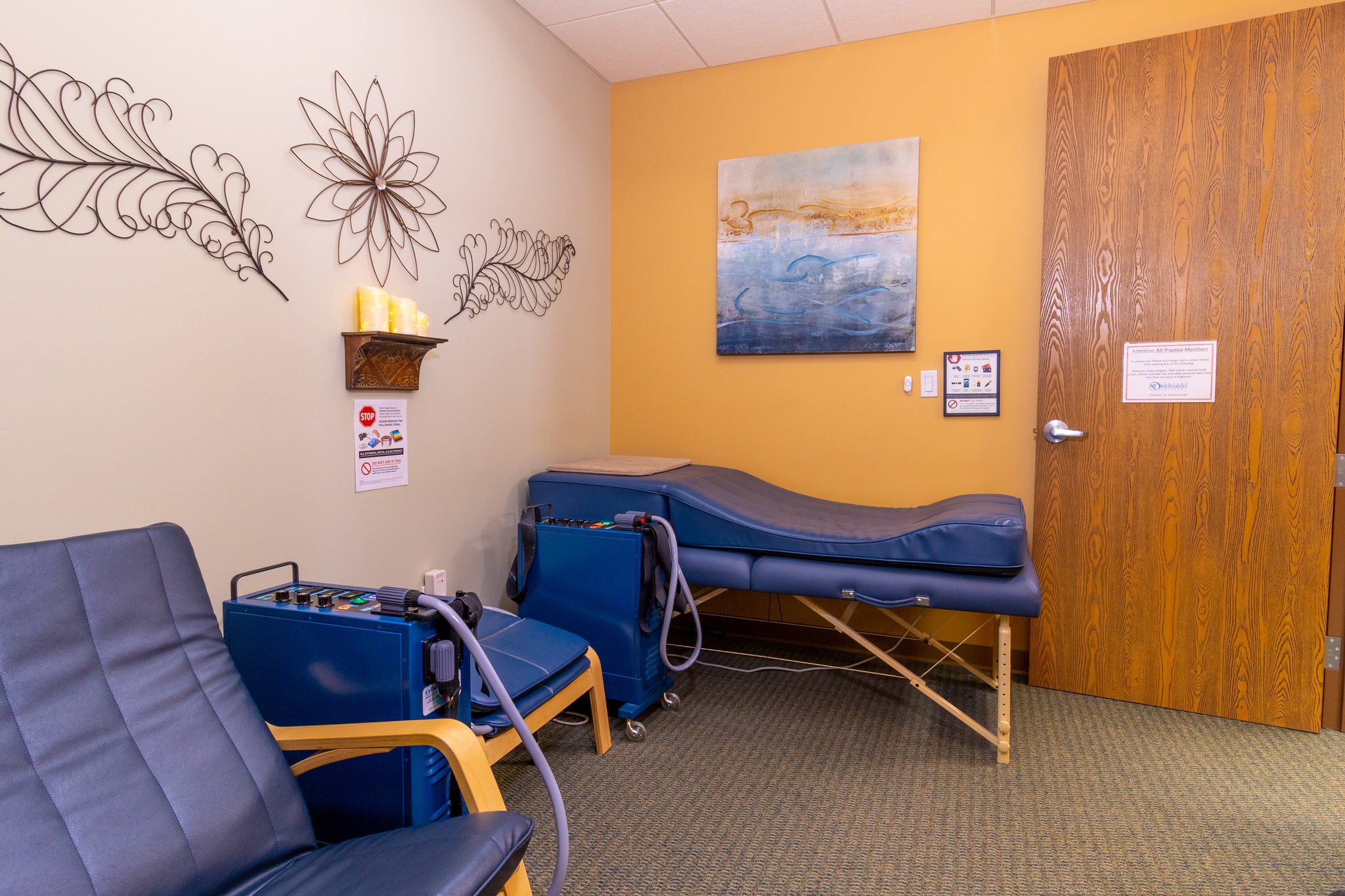
What does PEMF stand for?
PEMF stands for pulsed electromagnetic field. The technology sends carefully patterned electromagnetic pulses into the body to support normal biological activity. Different systems use different frequencies, intensities, and treatment programs, which is one reason results may vary from one person to another.
Why some clinicians describe PEMF as cellular exercise
I use the phrase cellular exercise because PEMF is often discussed as a way to support the cell's environment rather than simply covering up symptoms. Cells rely on healthy membrane function, nutrient exchange, waste removal, oxygen delivery, and communication with surrounding tissues. When those processes are not working well, recovery can slow down.
The goal is not to force the body to do something unnatural. The goal is to support the body's own healing and regulatory processes as part of a thoughtful clinical plan.
How does PEMF therapy work?
PEMF is thought to interact with tissues at the cellular level. Research into electromagnetic field therapies suggests they may influence signaling pathways involved in inflammation, tissue repair, circulation, and cellular activity. That does not mean every claim made online is proven, but it does help explain why PEMF has gained attention in rehabilitation and recovery settings.
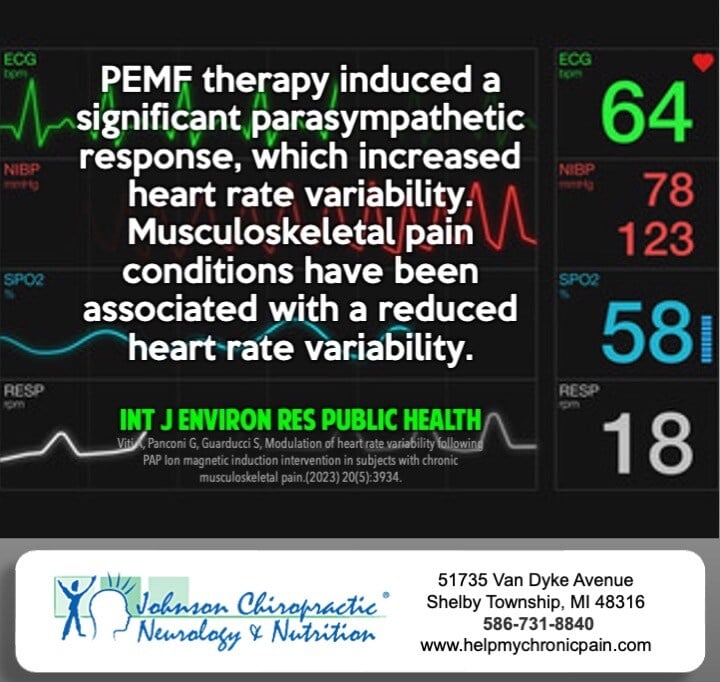
How PEMF may affect cell membranes and cellular energy
Every cell has a membrane that helps regulate what goes in, what stays out, and how the cell communicates. When cells are under stress, those normal processes may become less efficient. PEMF is often discussed as a way to support membrane function and cellular communication, which may help create a healthier recovery environment.
Some published research has explored how electromagnetic stimulation may affect signaling related to tissue repair and cell activity. That research is still developing, and it should be interpreted with appropriate caution, but it offers a possible explanation for why some people report improved recovery and comfort.
How PEMF may support circulation and oxygen delivery
Good circulation matters because tissues need oxygen and nutrients to repair and maintain themselves. When blood flow is compromised or tissues stay irritated, healing may take longer. PEMF is often used with the goal of supporting circulation and a healthier tissue environment, which may be one reason it is considered in recovery-focused care.

What are the potential benefits of PEMF therapy?
Research and clinical experience suggest PEMF may be helpful in some situations, but it is important to keep expectations realistic. Benefits can vary based on the person's health status, the severity and duration of the problem, and whether PEMF is being used as one part of a larger strategy.
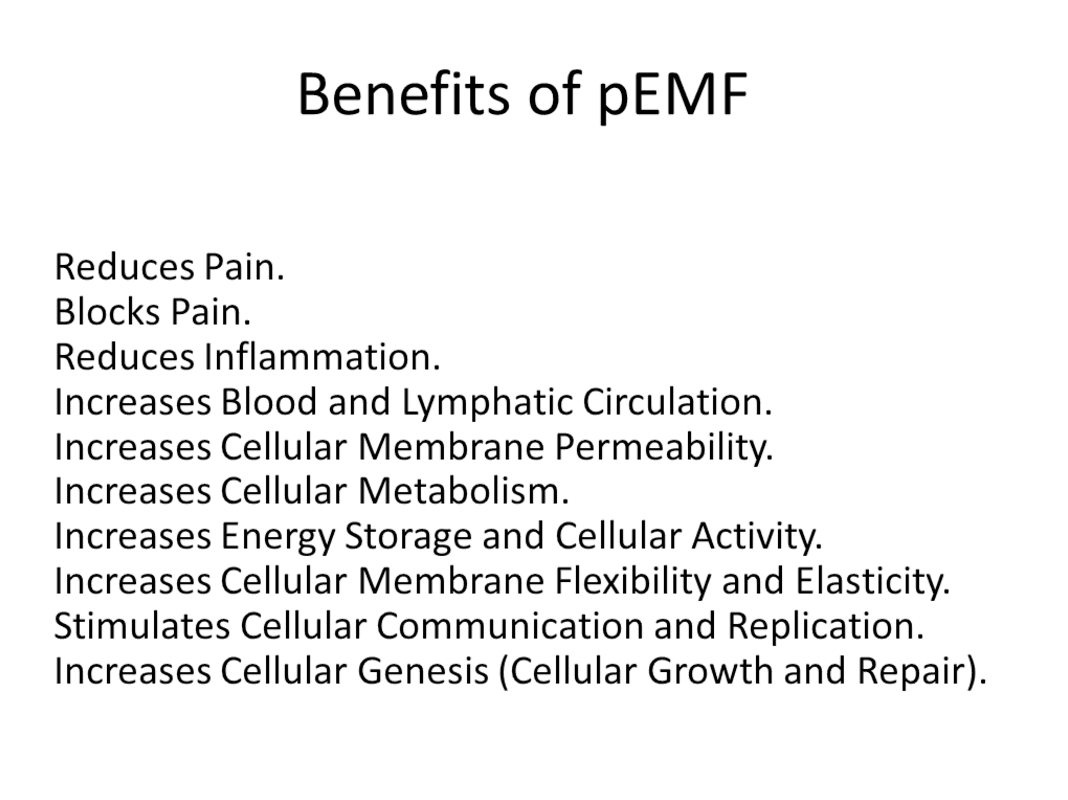
PEMF for pain and inflammation support
Some studies suggest PEMF may help support pain reduction and may influence inflammatory signaling. That does not mean every painful condition will respond the same way, and it does not mean PEMF replaces a careful exam, proper diagnosis, or a more complete care plan. It does mean PEMF may be a supportive option worth considering in selected cases.
- It may help support a healthier recovery environment in irritated tissues.
- It may be useful for people who want non-drug support added to a broader plan.
- It may complement hands-on care, rehabilitation, and other supportive therapies.
PEMF for recovery, relaxation, sleep, and energy
People do not always ask about PEMF only for pain. Some are also curious whether it may support relaxation, recovery after stress, better sleep, or improved energy. Those responses can be quite individual. Some people notice changes quickly, while others need repeated sessions before they can tell whether it is helping.

This is one reason I encourage people to think in terms of progress, function, and the overall direction of their recovery rather than expecting one session to change everything.
When might someone consider PEMF therapy?
PEMF may be worth a closer look when someone is trying to support recovery in a more complete way. Common situations include:
- Chronic pain challenges where tissues stay irritated and progress has been slower than expected.
- Recovery support when the goal is to help the body recover more efficiently as part of a larger program.
- Inflammation-related concerns when reducing stress on irritated tissues is part of the plan.
- Musculoskeletal complaints where PEMF may complement chiropractic care, laser therapy, rehabilitation, or other supportive strategies.
- Whole-person wellness plans when the goal is to improve the body's environment rather than chasing symptoms alone.
That does not mean PEMF is automatically appropriate for everyone. A qualified provider should consider the person's health history, current concerns, and overall goals before recommending any therapy.
What should you realistically expect from PEMF therapy?
PEMF is best viewed as a supportive therapy, not a magic fix. Some people feel changes in comfort or relaxation fairly quickly. Others need more time. Chronic problems that have been present for a long time often require patience, consistency, and attention to more than one factor.
Why response times can vary from person to person
Response times may differ because every person brings a different level of tissue stress, inflammation, nervous system irritation, circulation status, and overall health burden. The body you are working with matters. The chronicity of the problem matters. Your sleep, nutrition, activity level, and stress load matter too.
Why PEMF works best as part of a broader plan
In many cases, PEMF makes the most sense when it is used alongside other helpful strategies rather than in isolation. Depending on the situation, that may include:
- Chiropractic care (spine and extremities)
- Brain-based or functional rehabilitation approaches
- Laser therapy
- Nutritional support
- Movement-based therapies
- Other individualized supportive care
That whole-person approach is important because pain and slow recovery usually do not come from just one cause.
How we use Pulse Centers Pro in a whole-person approach
For a few years, I researched PEMF and how it might fit into my natural healing practice before deciding to move forward. I wanted a system that was robust, effective, and built to support the kind of clinical work we do. That process led me to Pulse Centers Pulse XL Pro.
Why I chose Pulse Centers Pulse XL Pro
I do not add tools just because they are popular. I want to understand how they may fit into real patient care. Pulse Centers Pulse XL Pro stood out as a system that aligned with my broader interest in supporting healing, recovery, and function in a non-invasive way.
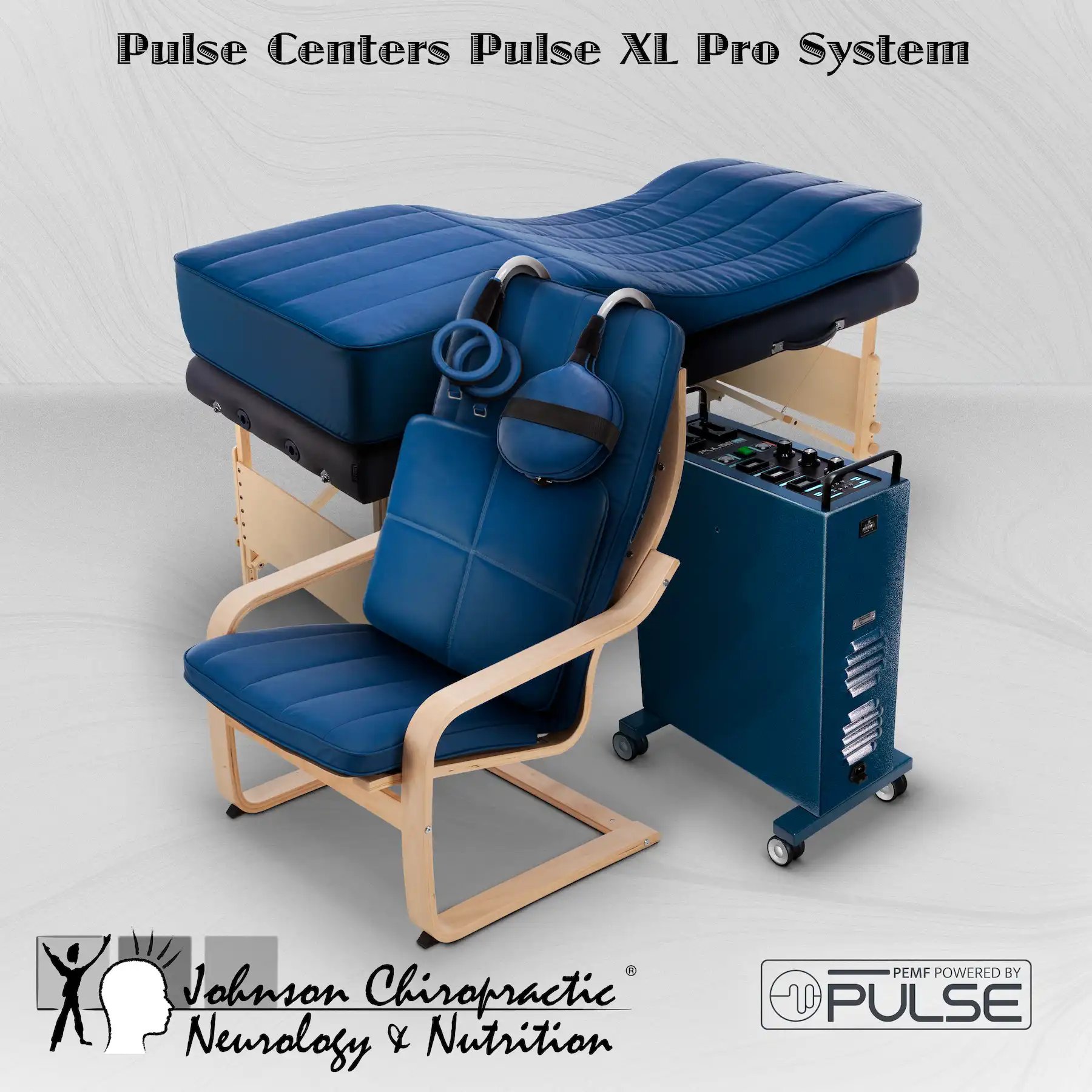
What matters most is not owning a device. What matters most is using the right tool for the right person at the right time, and placing that tool within a larger strategy designed around the whole person.
How PEMF may fit alongside other supportive services
Depending on the person and the problem, PEMF may fit alongside other services we use in practice, such as:
- Chiropractic care that considers both structural and neurological factors
- Supportive therapies aimed at pain control and healing
- Nutritional strategies that help reduce stress on the body
- Other individualized approaches based on a person's history and clinical findings
FAQs about PEMF therapy
Is PEMF therapy painful?
PEMF sessions are generally not described as painful. Many people find them relaxing, although each person can respond a little differently. At lower frequencies of stimulation, the desire to take a nap ensues!
How long does a PEMF session usually take?
Session length can vary depending on the system being used, the area of focus, and the goals of care. A provider should explain what to expect for your specific situation. Typical sessions are 30 minutes in length.
How many PEMF sessions might someone need?
That depends on the person, the chronicity of the problem, and the goals of care. Some people notice changes quickly, while others need a series of sessions to evaluate whether PEMF is helping.
Can PEMF be used with other supportive therapies?
In many cases, yes. PEMF is often considered a complementary therapy rather than a stand-alone answer. It may fit alongside other supportive approaches when a provider believes the combination is appropriate.
Who should speak with a qualified provider before trying PEMF?
Anyone with a significant health condition, an implanted medical device, a complicated medical history, or questions about whether PEMF is appropriate should speak with a qualified provider before starting care.
My hope is that information like this helps you ask better questions, look deeper when needed, and stay encouraged as you pursue answers.
If you know someone who is still searching for answers about chronic pain, recovery, or supportive healing options, please share this article with them.
Please spread the word and inspire others to take control of their health and wellness.
To learn more, check out what makes my philosophy unique among healthcare providers.
Always remember one of my mantras. "The more you know about how your body works, the better you can take care of yourself."
For more details about the natural approach I take with my patients, take a look at the book I wrote entitled: Reclaim Your Life: Your Guide To Revealing Your Body's Life-Changing Secrets For Renewed Health. It is available at my office, on Amazon, and at many other book outlets. If you found value in this article, please use the social sharing icons at the top of this post, and please share with those you know who are still suffering with chronic health challenges, despite receiving medical management. Help me reach more people so they may regain their zest for living! Thank you!
ALL THE BEST – DR. KARL R.O.S. JOHNSON, DC – DIGGING DEEPER TO FIND SOLUTIONS
References
- Trock DH, Bollet AJ, Dyer RH Jr, et al. A double-blind trial of the clinical effects of pulsed electromagnetic fields in osteoarthritis. J Rheumatol. 1993;20(3):456-460.
- Trock DH, Bollet AJ, Markoll R. The effect of pulsed electromagnetic fields in the treatment of osteoarthritis of the knee and cervical spine. Report of randomized, double blind, placebo controlled trials. J Rheumatol. 1994;21(10):1903-1911.
- Thamsborg G, Florescu A, Oturai P, et al. Treatment of knee osteoarthritis with pulsed electromagnetic fields: a randomized, double-blind, placebo-controlled study. Osteoarthritis Cartilage. 2005;13(7):575-581.
- Bagnato GL, Miceli G, Marino N, et al. Pulsed electromagnetic fields in knee osteoarthritis: a double blind, placebo-controlled, randomized clinical trial. Rheumatology (Oxford). 2016;55(4):755-762.
- Varani K, Vincenzi F, Ravani A, et al. The use of pulsed electromagnetic field to modulate inflammation and improve tissue regeneration: a review. Bioelectromagnetics. 2021;42(6):485-499.