

<img height="1" width="1" alt="" style="display:none" src="https://www.facebook.com/tr?id=392500470927340&amp;ev=PixelInitialized">

Dr. Karl R.O.S. Johnson's Chronic Condition Natural Treatment Blog

Intentional musings of a unique Shelby Township Michigan Chiropractic Physician dedicated to helping people find solutions to improving their health by rooting out causes to chronic conditions such as fibromyalgia, stubborn thyroid disorder symptoms, balance disorders, chronic knee & shoulder pain, migraines, sciatica, ADD/ADHD/ASD, back pain, peripheral neuropathy, gluten sensitivity and autoimmune disorders so they can Reclaim Their Life!

From the Desk of Dr. Karl R.O.S. Johnson, DC.....

Understanding Non-Surgical Options for Degenerative Meniscal Tears

Posted by Dr. Karl R.O.S. Johnson, DC on Tue, Sep 22, 2026

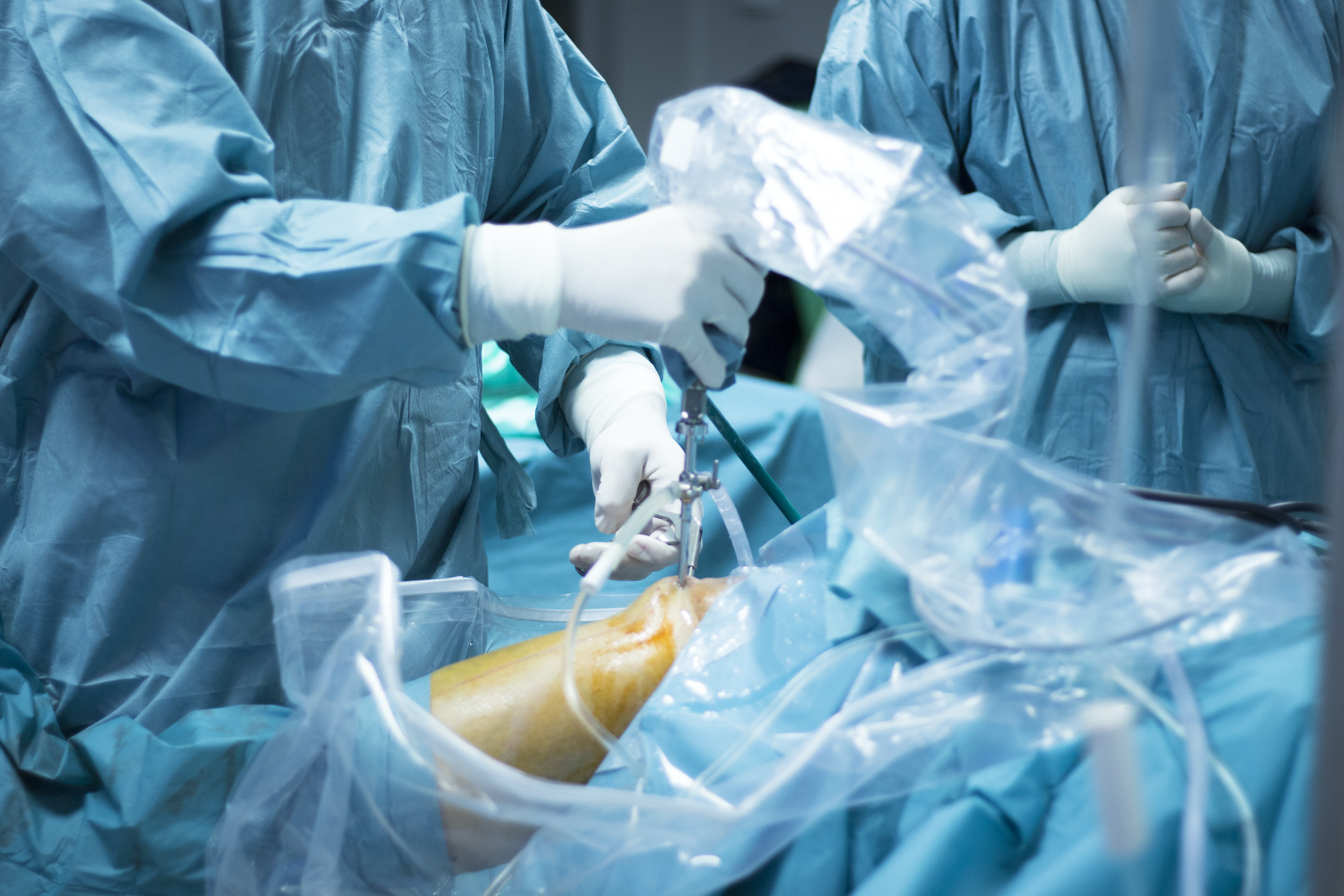
Arthroscopic Meniscal Surgery vs. Non-Operative Care for Degenerative Tears: What the 5-Year Research May Be Telling Us

Getting out of a chair should not feel like a major event. Walking up stairs should not make you wonder whether your knee will catch, grind, or give out. Yet that is exactly where many people find themselves when they have chronic knee pain and are told they have a degenerative meniscal tear.

If you have been told that arthroscopic meniscal surgery is the obvious next step, it may be worth taking a closer look before moving forward.

A 5-year systematic review and meta-analysis of randomized controlled trials published in theJournal of Orthopaedic Reportsfound no significant long-term difference in pain, activity, or knee function between arthroscopic meniscal surgery and non-operative care for patients with degenerative meniscal tears and mechanical symptoms. Even more important, the surgical group showed significantly higher osteoarthritic progression over time. 1

That matters.

Because when long-term pain and function outcomes appear similar, but one path may be associated with greater arthritic progression, the decision deserves a deeper and more thoughtful evaluation.

Read More


Topics: knee pain, Chronic Knee Pain,, Trigenics, non-surgical knee pain help, knee pain after surgery, Non-Surgical Knee Pain Relief, PEMF, Cellular Exercise, Knee Trac, Axial Knee Decompression

Learn how Pam Received Chronic Knee Pain Relief in Minutes [VIDEO]

Posted by Dr. Karl R.O.S. Johnson, DC on Thu, Jun 21, 2018

Trigenics® with Dr. Karl R.O.S. Johnson, DC ends Pam's knee pain in minutes. Pam's severe knee pain has been chronic for at least 10 years. Despite having physical therapy, water therapy, injections and exercise, her knee pain relentless degraded her daily standard of living. Pam used to be very active and really misses being able to go for walks being able to cycle. Thankfully, to her surprise, Trigenics® Treatment by Dr. Karl R.O. S. Johnson, DC relieved Pam's chronic bilateral knee pain In minutes. She was so overwhelmed with the positive changes, it brought her to tears. Take a look for yourself and then call my office at 586-731-8840 to see if you can be helped.

Read More

Topics: knee pain, Trigenics, Cellular Exercise, non-surgical knee pain help, knee pain after surgery, Photobiomodulation, Joint Pain, Non-Surgical Knee Pain Relief

Why Some Knee Problems Persist After Full or Partial Replacement

Posted by Dr. Karl R.O.S. Johnson, DC on Tue, Jul 25, 2017


I am often asked if anything can be done for knee problems that persist after a full or partial knee replacement.

Unfortunately, its fairly common to continue having some knee issues after knee replacment (knee arthroplasty). Some of the reported knee challenges include pain, lack of stability or the feeling your knee can't be trusted. If you search using Google with this search string "knee pain after knee replacement pubmed", you will find several research papers discussing the topic.
 
Recent Study Shows High Incidence of Chronic Knee Replacement Pain

A recent study looked at the percentage of patients with chronic knee pain after knee replacement at a minimum of one year following surgery in 272 patients. A questionnaire was sent to them at between 12 and 16 months following their surgery. Of the 272 patients who responded, 107 patients (nearly 40%) reported that they still had persistent pain at one-plus year following surgery. The median average pain rating (using the 0-10 numeric pain scale) was 3 out of 10, with pain reported as high as 5 out of 10. While you might think 5 out of 10, which is moderate pain, would be an improvement in knee pain after knee replacement, it isn’t that much different from the pain level most patients would describe prior to undergoing the knee replacement.  This amount of pain can keep you from being able to do certain things like roller skate with the kids, or going on trips that require a lot of walking or climbing stairs, for example. Persistent pain is also commonly described as aching, tender, and tiring, which certainly would give someone pause when considering to participate is a variety of activies.

Read More

Topics: MLS Laser, Chronic Knee Pain,, Trigenics, knee pain after surgery

STAY INFORMED - Sign Up For Dr. Johnson's Blog Updates

I Could Use Some Help With My Health

Call Dr. Johnson

586-731-8840

Follow Me

Latests Posts

Most Popular Posts

Reclaim Your Life Book 3D Reflect