


Here are practical ways to drive and fly more safely while keeping your spine, joints, and overall health in good working order.
Healthy Travel Starts With Your Spine
Your spine is built to move, not to stay locked in one position for hours at a time. Long periods of sitting—especially if your seat isn’t well‑supported or your posture slips—put extra strain on the neck, shoulders, lower back, and hips. Over time, that stress can contribute to tight muscles, irritated joints, headaches, and even nerve‑related discomfort.
Chiropractic care helps keep your spine aligned and moving the way it’s supposed to, which supports healthier nervous system function. When your spine is working well, your body is better equipped to handle the physical stress of travel.
Chiropractic Tips for Safe and Comfortable Driving

Road trips are a classic Michigan tradition, but hours in the car can challenge even the healthiest backs.
1. Set Up Your Seat for Success-
Sit upright with your head centered over your shoulders—not jutting forward.
-
Adjust the seat so your knees are level with or slightly below your hips.
-
Use a small lumbar roll or rolled‑up towel to support the natural curve of your lower back.
2. Take Movement Breaks Often
Aim to stop every 60–90 minutes. Get out, walk around, gently stretch, and reset your posture. Movement keeps joints lubricated and muscles from tightening up.
3. Keep Your Hands and Shoulders RelaxedGripping the steering wheel too tightly can create unnecessary tension in the neck and shoulders. Keep your grip light and your shoulders relaxed.
4. Pack SmartLift luggage with your legs, not your back. Avoid twisting while lifting, and consider breaking heavier loads into smaller, easier‑to‑manage bags.
Flying Healthy: Chiropractic Advice for Air Travel

Air travel presents its own challenges—tight seating, limited movement, dry cabin air, and changes in pressure can all add stress to your spine and joints.
Support Your Neck and Low Back
Use a supportive neck pillow to help maintain proper cervical alignment, especially if you plan to sleep. Place a small lumbar cushion, rolled‑up sweater, or folded jacket at the small of your back to support your lower spine and reduce strain.
Move Whenever You Can
Whenever the seatbelt sign is off, stand up, walk the aisle, or do a few gentle stretches. Aim to move at least every hour. Even simple ankle pumps, shoulder rolls, and seated spinal twists can help decrease stiffness and support healthy circulation.
Stay Hydrated
Cabin air is very dry, and even mild dehydration can worsen muscle tightness, headaches, and joint discomfort. Sip water regularly throughout your flight and limit alcohol and caffeinated drinks, which can contribute to dehydration.
Watch Your Posture
Sit back in your seat with your shoulders relaxed and your head aligned over your shoulders. Avoid slouching or jutting your chin forward to look at a phone or tablet. Whenever possible, bring screens up closer to eye level to minimize neck and upper back strain.
Before You Go: A Pre‑Travel Chiropractic Tune‑Up

Many patients like to schedule a chiropractic visit before they travel—especially if they already know that long car rides or flights tend to leave them feeling stiff or sore. A pre‑trip adjustment can help:
-
Support healthy spinal alignment and mobility, so your joints move more freely before you ever get in the car or on the plane
-
Ease muscle tension before it builds up, which can reduce the risk of muscle spasms, tightness, and post‑trip soreness
-
Prepare your body to handle long periods of sitting with less stress on the neck, shoulders, lower back, and hips
In some cases, your chiropractor may also review your specific health history, previous injuries, and current symptoms to make personalized recommendations—such as simple stretches, posture cues, or supportive braces or cushions that make travel more comfortable for you.
Taking this simple step ahead of time may lower your risk of travel‑related aches and pains, reduce flare‑ups of pre‑existing issues, and help you arrive feeling more comfortable, mobile, and ready to enjoy your trip instead of recovering from it.
When You Get Home: Don’t Ignore Post‑Travel Pain
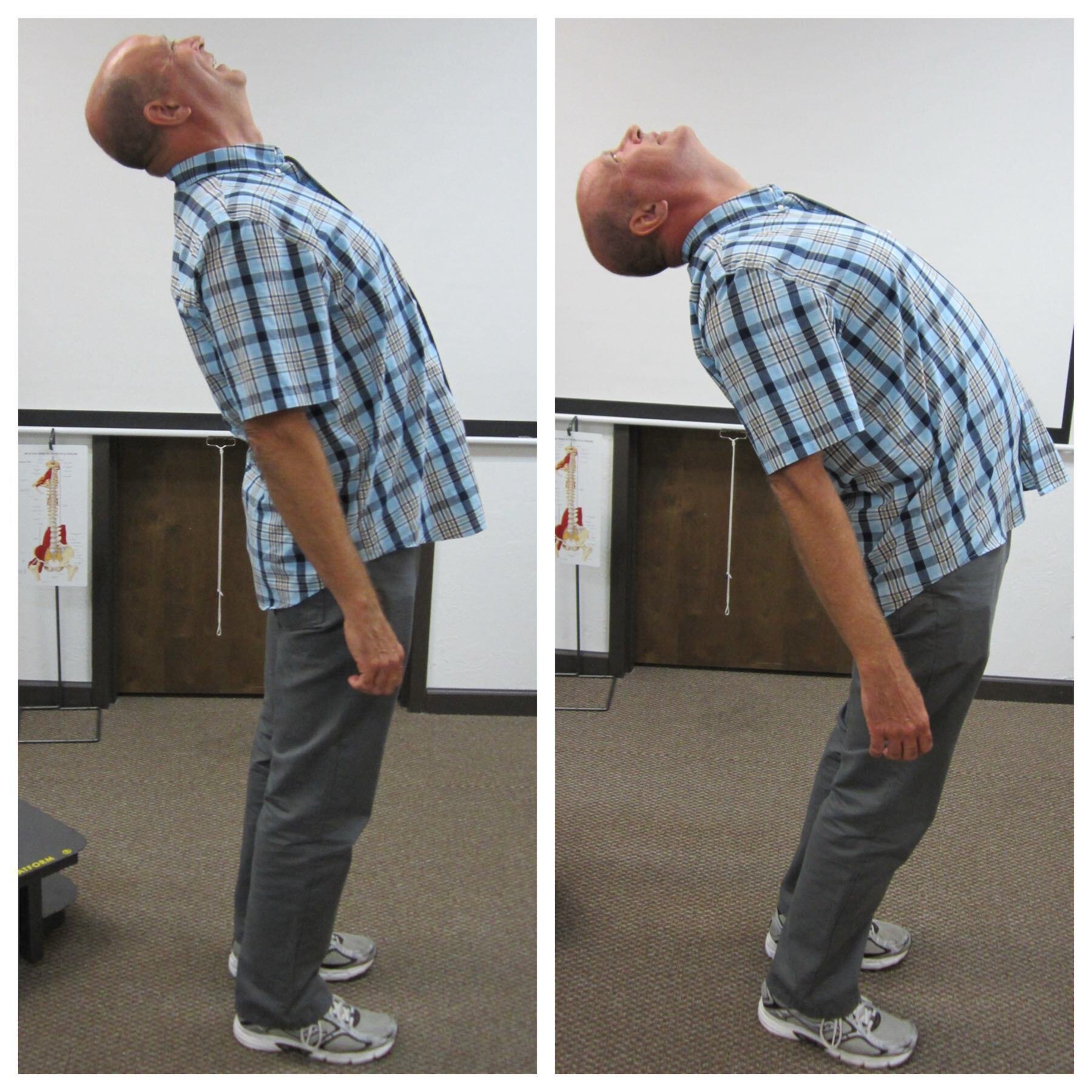
If you return from a trip feeling stiff, sore, or out of alignment, don’t ignore it or just assume it will eventually go away on its own. Those nagging post‑travel symptoms are your body’s way of telling you that your joints, muscles, and nervous system have been under extra stress. Post‑travel chiropractic care can help restore proper movement in your spine and other key joints, ease muscle tension and nerve irritation, support better balance, and get you back to your normal routine faster and with less discomfort.
A gentle post‑trip evaluation allows your chiropractor to check how your spine, hips, neck, and shoulders responded to the long hours of sitting, lifting luggage, and sleeping in unfamiliar beds or seats. If there are areas that have become restricted, irritated, or overworked, targeted chiropractic adjustments and supportive therapies can help your body reset more efficiently. For some patients, this also means fewer headaches, less neck or low‑back pain, and a reduced chance that a minor post‑travel flare‑up will snowball into a more serious or chronic problem.
Whether you’re driving across the state or flying across the country, healthy travel is about preparation, posture, and movement—and also about how you care for your body when you return. From a chiropractic perspective, taking care of your spine helps support your entire body—so you can focus on making memories, not managing pain. By pairing smart travel habits with timely chiropractic check‑ins, you give yourself the best chance to enjoy your trips and come home feeling more like yourself.

Please spread the word and inspire others to take control of their health and wellness.
To learn more, check out what makes my philosophy unique among healthcare providers.
Always remember one of my mantras. "The more you know about how your body works, the better you can take care of yourself."
For more details about the natural approach I take with my patients, take a look at the book I wrote entitled: Reclaim Your Life: Your Guide To Revealing Your Body's Life-Changing Secrets For Renewed Health. It is available at my office, on Amazon, and at many other book outlets. If you found value in this article, please use the social sharing icons at the top of this post, and please share with those you know who are still suffering with chronic health challenges, despite receiving medical management. Help me reach more people so they may regain their zest for living! Thank you!
ALL THE BEST – DR. KARL R.O.S. JOHNSON, DC – DIGGING DEEPER TO FIND SOLUTIONS