


If you are trying to improve your health while juggling work, family, and meals on the run, another list of foods to avoid may feel discouraging. You deserve an explanation of what food choices can change, what they cannot, and where to begin.
The Standard American Diet, or S.A.D., offers a memorable starting point. Does it contribute to what we might call “Standard American Diseases”? That second S.A.D. is educational wordplay, not a medical category. Diet matters, but chronic disease rarely has a single cause.
At Johnson Chiropractic Neurology & Nutrition, I encourage a whole-person approach. Let us look at the evidence without blaming people for their health challenges or promising that one eating plan solves everything.
Key Takeaways About Diet and Chronic Disease
- Your usual eating pattern can influence chronic disease risk, but genetics, sleep, activity, stress, and food access also matter.
- Research links greater ultra-processed food intake with diabetes and cardiovascular disease, although individual food groups show different associations.
- Fiber-rich vegetables, fruits, beans, and whole grains can support nutritional adequacy and provide fuel for beneficial gut microorganisms.
- Johnson Chiropractic Neurology & Nutrition provides nutritional guidance that considers your history, food choices, and individual health concerns.
- Begin with a realistic food swap, explore appropriate BodySite eating plans, and invite a friend to prepare a nourishing meal.
What Is the Standard American Diet?
The Standard American Diet describes an eating pattern often heavy in refined grains, sweetened drinks, processed meats, salty convenience foods, and packaged sweets, with fewer vegetables, fruits, legumes, and whole grains. It is a broad description rather than one precisely defined research diet. [1,2]
Research in The American Journal of Clinical Nutrition has examined ultra-processed food consumption among US adults. Understanding that food environment helps explain why changing eating habits involves convenience, cost, and access as well as knowledge. [1]
Ultra-Processed Foods and What They Can Displace
Ultra-processed foods are industrial formulations that often combine refined ingredients with flavorings, emulsifiers, or other additives. Examples include many soft drinks, packaged snack cakes, and ready-to-eat mixed dishes. When these dominate your meals, they can leave less room for fiber-rich and nutrient-dense foods. [1,3]
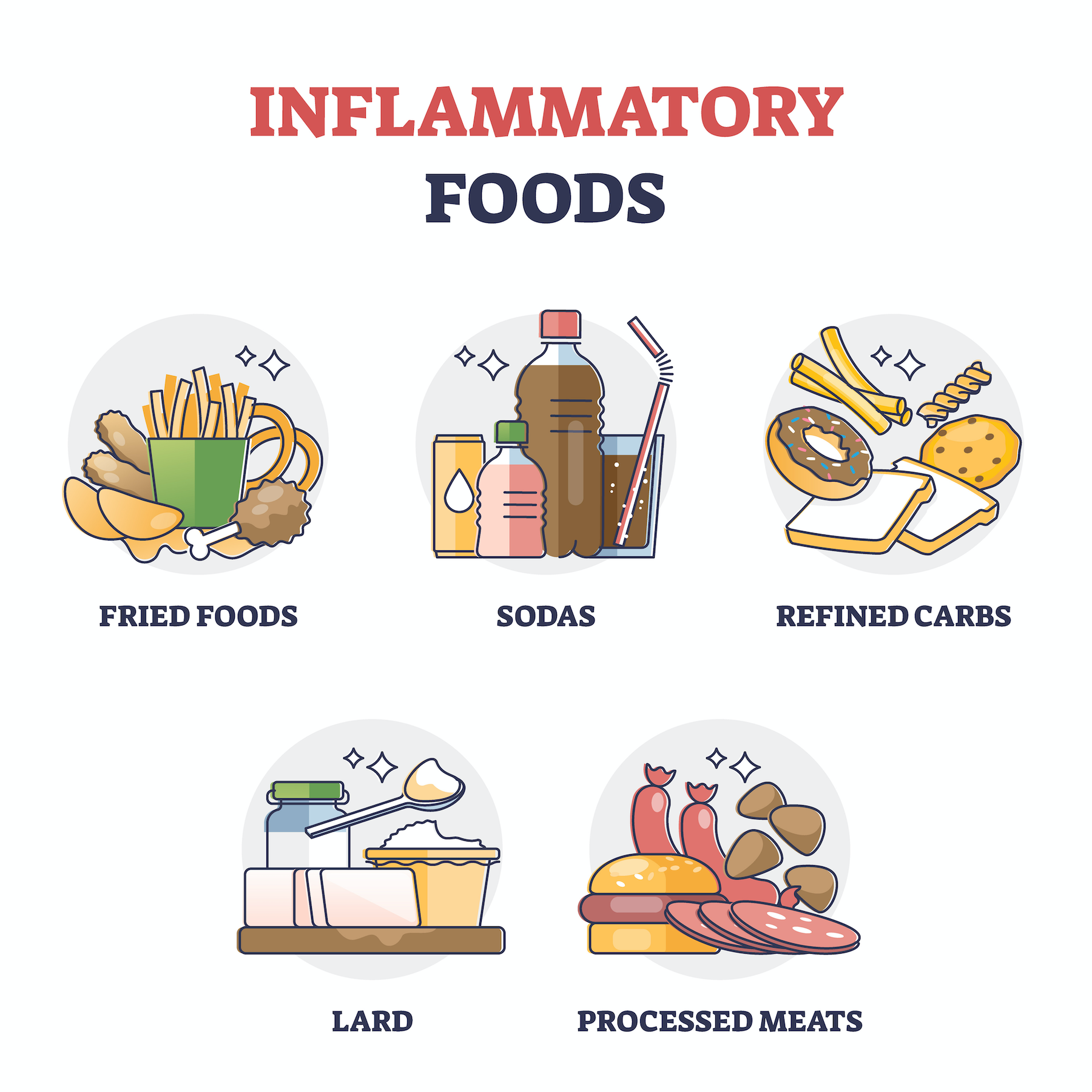 Processing alone does not determine nutritional value. Frozen vegetables, canned beans, and plain yogurt can be practical choices. Even foods classified as ultra-processed do not all show the same relationship with disease risk. Evaluate the food's composition and its place in your overall diet. [3,4]
Why Your Overall Eating Pattern Matters
Your overall eating pattern matters because foods work in combination, and replacing one food changes what you eat instead. A nutrition editorial by Cespedes and Hu explains why dietary-pattern research can be more useful than judging isolated nutrients. [2]
That perspective also applies when interpreting fermented dairy research: a finding about one food should not become a promise that eating more of it will prevent or resolve a condition.
How Can Diet Contribute to Chronic Disease?
Diet can contribute to chronic disease through overlapping effects on energy intake, blood glucose regulation, blood pressure, blood lipids, and inflammatory pathways. These processes interact with your genetics, activity, sleep, and other health factors. [2–6]
 Understanding the pathways helps you ask more useful questions than simply, “Is this food good or bad?”
Blood Sugar, Insulin Resistance, and Type 2 Diabetes
Diet can influence blood glucose and the body's response to insulin, the hormone that helps cells use glucose. Insulin resistance means cells respond less effectively to that signal. Excess energy intake and weight gain can contribute, but the process is more complex than eating sugar alone. [3,6]
In a 2023 study of US cohorts, Chen and colleagues found that greater total ultra-processed food intake was associated with higher type 2 diabetes risk. Results differed across food groups, and the observational design could not prove that processing itself caused diabetes. [3]
If you are exploring blood sugar concerns, symptoms alone cannot establish a diagnosis. Appropriate clinical evaluation matters.
Blood Pressure, Cholesterol, and Cardiovascular Health
Dietary patterns can affect blood pressure and cholesterol-related risk factors. Research discussed in The American Journal of Clinical Nutrition supports patterns that reduce excess sodium and improve the balance of fats, carbohydrates, and fiber. [2]
Mendoza and colleagues' 2024 analysis linked greater total ultra-processed food intake with higher cardiovascular disease risk in US cohorts. Associations varied across food groups; processed meats and sweetened drinks were among the groups associated with higher risk. [4]
Your cardiovascular risk assessment should consider the whole person. One laboratory result or food choice does not tell the entire story.
Dietary Fiber, Gut Health, and Inflammation
Dietary fiber supports gut health partly because beneficial microorganisms ferment certain fibers into short-chain fatty acids. These compounds may influence intestinal and immune function. Different fibers have different effects, so variety is useful. [5]
A 2025 review by Kabisch and colleagues describes potentially beneficial effects of fiber-rich diets on inflammation, while emphasizing inconsistent results across fiber types and studies. The review does not establish one fiber supplement as an answer for everyone. [5]
Vegetables, fruits, beans, lentils, nuts, seeds, and whole grains provide diverse fiber sources. This broader food pattern matters when discussing inflammation and pain, without assuming all persistent pain is diet-related.
What Does Nutrition Research Actually Show?
 Nutrition research supports a meaningful role for dietary patterns, but the strength of a causal claim depends on the study. Cohorts reveal long-term associations; randomized trials can test effects under specified conditions. Mechanisms help explain findings but do not replace clinical evidence. [2]
In Hall and colleagues' 2019 inpatient trial, participants ate more and gained weight during the ultra-processed diet period compared with the unprocessed period. That supports a causal effect on short-term intake and weight in that setting, not proof that every ultra-processed food causes every chronic disease. [6]
Diet also operates within a larger picture. Chronic stress, sleep, activity, and social circumstances deserve attention. A diagnosis is not evidence that someone failed to eat well.
Practical Steps Beyond the Standard American Diet
You can begin improving your eating pattern with a few affordable, repeatable changes. Choose a starting point that fits your needs and build from there. [2]
- Change one drink. Replace a regular sugary beverage with water or unsweetened tea. Your hydration habits are a practical place to start.
- Add plants before adding restrictions. Include an extra vegetable or a serving of beans or lentils as tolerated. Frozen vegetables and rinsed canned beans can reduce preparation time.
- Choose more fiber-rich carbohydrates. Try oats, whole grains, or legumes instead of a refined-grain staple, accounting for allergies and individual dietary needs.
- Vary your protein sources. Include options such as fish, beans, lentils, eggs, or other suitable choices while reducing reliance on processed meats.
- Compare labels thoughtfully. Look at added sugars, sodium, fiber, and serving size. An unfamiliar ingredient name alone does not establish that a food is harmful.
- Plan one repeatable meal. Choose something you enjoy and can prepare within your budget. Consistency is more useful than an unsustainable overhaul.
Increase fiber gradually. If you have kidney disease, significant digestive problems, food allergies, or a prescribed diet, obtain individualized guidance before making major changes.
Why Personalized Nutritional Evaluation Matters
Personalized nutritional evaluation helps translate general evidence into choices appropriate for your health history, preferences, practical constraints, and goals. An eating pattern that is helpful for one person may require adjustments for another.
Johnson Chiropractic Neurology & Nutrition provides dietary and nutritional evaluation within a broader case review. Relevant records and testing can inform that discussion when appropriate. The purpose is a clearer plan, not a guarantee that nutrition explains every symptom.
A nutrition plan should complement necessary medical care. Do not discontinue prescribed treatment or make major dietary changes affecting glucose control without involving the clinician overseeing that care.
Request Your Personalized Nutritional Evaluation
A personalized evaluation is a practical next step if you want to understand how your usual food choices fit your health concerns.
Call 586-731-8840 and ask about a personalized nutritional evaluation with Dr. Johnson. Bring your questions, a description of your usual meals, and relevant health information so we can look at the whole picture.
Choose a Healthier Eating Pattern With BodySite
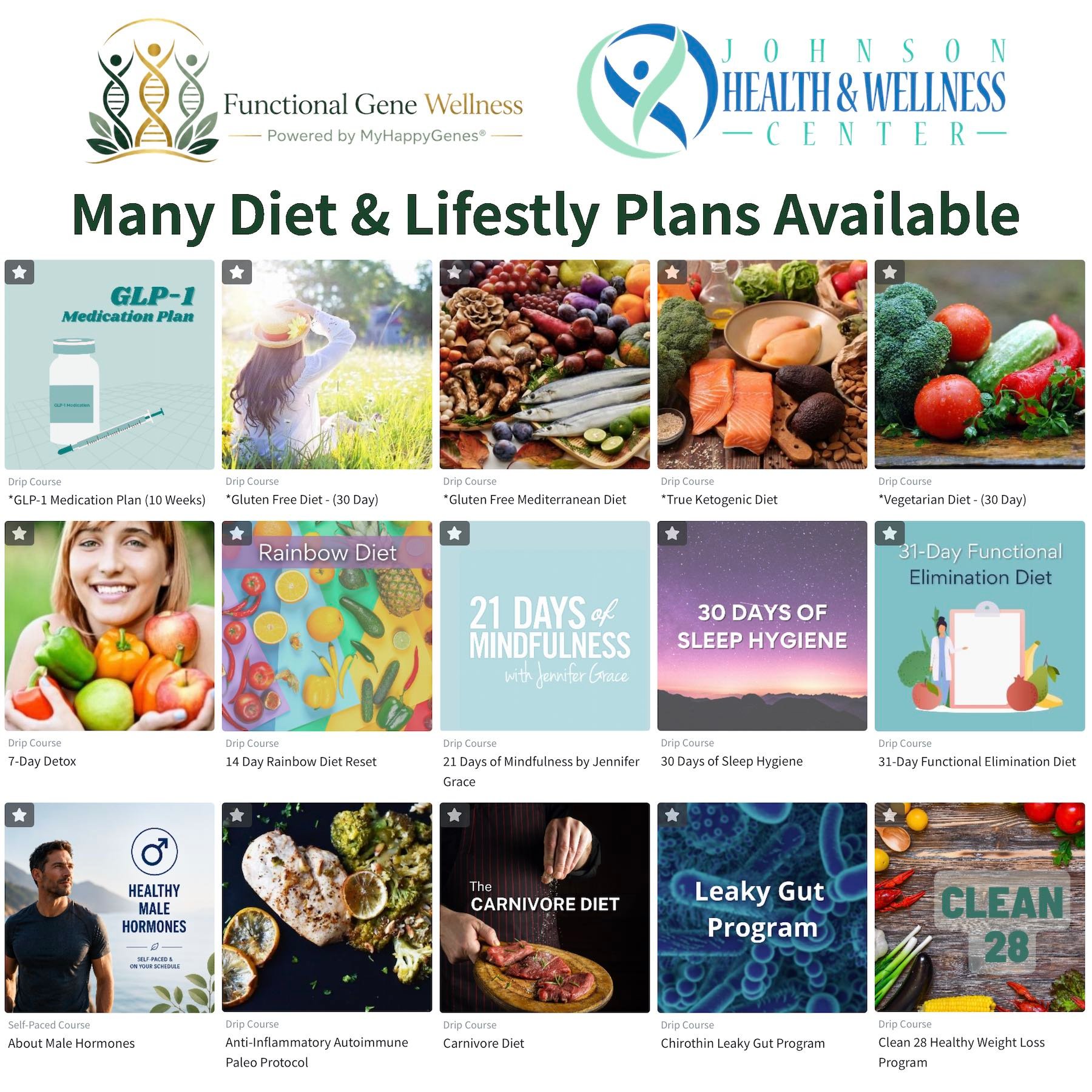
My BodySite account gives you a place to explore a variety of healthy eating plans and choose a starting point that fits your goals. A plan can provide structure, while individualized guidance helps you decide what is appropriate for your situation.
Explore My BodySite Healthy Eating Plans
If you have an existing diagnosis or dietary restrictions, ask for guidance before choosing a restrictive approach. A plan's name alone cannot establish that it is suitable for you.
Try the One-Meal, One-Friend Challenge
The One-Meal, One-Friend Challenge invites you to turn nutrition education into a shared action.
- Change one meal. Prepare a nourishing meal using foods that fit your needs and budget.
- Invite one friend. Cook together, exchange a recipe, or share a photo of your meal.
- Pass the invitation along. Share this article and invite your friend to explore the eating plans in my BodySite account.
Change one meal. Share one healthier possibility. Choose your starting point, invite someone you care about, and make your next meal a step toward better nutrition.
When sharing, use #OneMealOneFriend. Keep personal diagnoses and other private health details out of public posts.
Frequently Asked Questions About Diet and Chronic Disease
Does diet alone cause chronic disease?
No. Chronic disease usually involves multiple interacting factors. Dietary patterns can increase or reduce risk, but genetics, sleep, activity, environmental exposures, and access to care also matter. Johnson Chiropractic Neurology & Nutrition approaches nutritional questions within that broader health picture.
Does everyone need the same healthy eating plan?
No single eating plan is appropriate for everyone. Personal preferences, allergies, health conditions, and practical circumstances can change what is suitable. Johnson Chiropractic Neurology & Nutrition provides nutritional guidance to help you consider those factors rather than choosing a plan by its label alone.
Can better nutrition replace my existing medical care?
Better nutrition should complement your care, not automatically replace it. Some dietary changes can alter treatment needs, particularly for glucose control. Johnson Chiropractic Neurology & Nutrition encourages coordination with your treating clinician so changes are appropriate and progress can be assessed.
Take Your Next Step Toward Better Nutrition
Your next step can be one thoughtful change rather than an entirely new way of eating. What is one meal you could improve, and what question about your health deserves a closer look?
Call 586-731-8840 to ask about a personalized nutritional evaluation. Johnson Chiropractic Neurology & Nutrition helps you connect nutritional guidance with your broader health concerns through a whole-person approach.
Please share this article with someone living with chronic health challenges who wants to better understand how nutrition and everyday habits fit into their health picture. My hope is that it helps them ask better questions and consider practical changes suited to their individual needs.
If you’d like to understand more about the natural, whole-person approach that guides my work, I invite you to explore what makes my philosophy of care unique.
Always remember one of my guiding principles: the more you understand how your body works, the better you can care for yourself and support your long-term health.
For a deeper look at the natural, whole-person approach I use with my patients, you may enjoy my book, Reclaim Your Life: Your Guide To Revealing Your Body’s Life-Changing Secrets For Renewed Health. It is available in my office, on Amazon, and through many other booksellers.
If this article was helpful, please use the social sharing icons at the top of the post and share it with those who are still living with chronic health challenges despite medical management. Together, we can reach more people and help them regain their enthusiasm for living. Thank you.
ALL THE BEST – DR. KARL R.O.S. JOHNSON, DC – DIGGING DEEPER TO FIND SOLUTIONS
References
- Juul F, Parekh N, Martínez Steele E, Monteiro CA, Chang VW. Ultra-processed food consumption among US adults from 2001 to 2018. The American Journal of Clinical Nutrition. 2021. PubMed.
- Cespedes EM, Hu FB. Dietary patterns: from nutritional epidemiologic analysis to national guidelines. The American Journal of Clinical Nutrition. 2015;101(5):899–900. Editorial. PubMed.
- Chen Z, Khandpur N, Desjardins C, et al. Ultra-Processed Food Consumption and Risk of Type 2 Diabetes: Three Large Prospective U.S. Cohort Studies. Diabetes Care. 2023. PubMed.
- Mendoza K, Smith-Warner SA, Rossato SL, et al. Ultra-processed foods and cardiovascular disease: analysis of three large US prospective cohorts and a systematic review and meta-analysis of prospective cohort studies. The Lancet Regional Health – Americas. 2024;37:100859. PubMed.
- Kabisch S, Hajir J, Sukhobaevskaia V, Weickert MO, Pfeiffer AFH. Impact of Dietary Fiber on Inflammation in Humans. International Journal of Molecular Sciences. 2025;26(5):2000. PubMed.
- Hall KD, Ayuketah A, Brychta R, et al. Ultra-Processed Diets Cause Excess Calorie Intake and Weight Gain: An Inpatient Randomized Controlled Trial of Ad Libitum Food Intake. Cell Metabolism. 2019;30(1):67–77.e3. PubMed.