

What Is Spinal Dysfunction—and Why Does It Matter for Your Health?
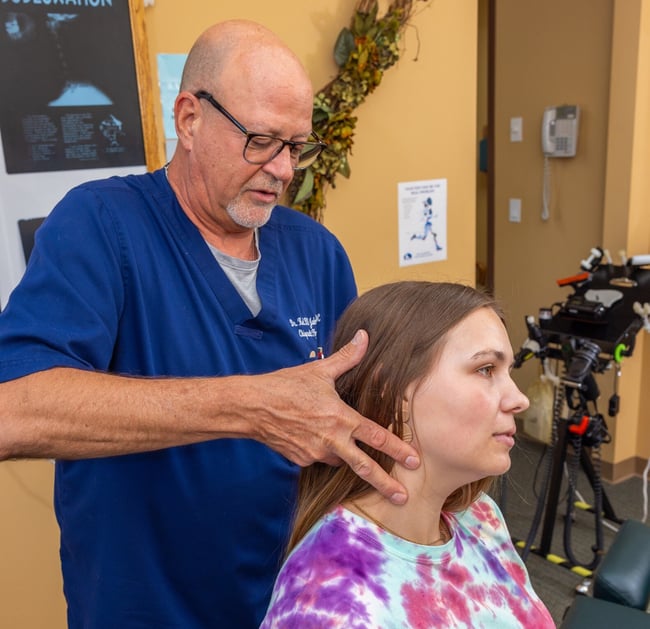
In the chiropractic profession, we refer to spinal dysfunction and its related components as the vertebral subluxation complex, or VSC. This term describes more than a single “out of place” vertebra; it encompasses changes in joint movement, muscle tone, nerve function, soft tissues, and even the way your body adapts over time.
When you more fully understand this concept, you are better equipped to receive appropriate care and to take an active role in your recovery from the physical, chemical, and emotional stresses that affect your body. You can more easily recognize how daily habits, past injuries, posture, work demands, nutritional status, and ongoing stressors may be contributing to your symptoms. This insight allows you and your chiropractor to work together more effectively on a personalized plan—one that may include specific spinal adjustments, supportive exercises, lifestyle and nutritional recommendations, and stress-management strategies—to support healthier function, improved comfort, and long-term resilience for your spine and nervous system.
Whole-body health depends on a well-functioning spine and nervous system, yet this vital connection is often overlooked when planning for a healthy, vibrant life.
 We have already briefly discussed why it is important to understand spinal dysfunction and its related pattern, the vertebral subluxation complex (VSC). Developing a deeper understanding is essential if you want to heal as fully as possible from spinal insults and injuries and to stay as healthy as you can. When you appreciate how each component of this complex can influence joints, muscles, nerves, and soft tissues, the symptoms you experience—such as pain, stiffness, limited motion, or fatigue—begin to make more sense rather than feeling random or mysterious.
This knowledge also helps you recognize how everyday choices either support or stress your spine and nervous system. Long hours of sitting, poor posture, repetitive movements, lack of sleep, and ongoing emotional or chemical stress can all contribute to spinal dysfunction over time. By understanding these connections, you are better prepared to make gradual, sustainable changes in your habits that reduce strain on your spine.
When this understanding is combined with wise food choices that support tissue repair and reduce inflammation, along with regular participation in appropriate exercise or sports to build strength, flexibility, and balance, it becomes a powerful foundation for long-term spinal and overall wellness. In partnership with targeted chiropractic care, this deeper awareness allows you to be an active participant in your healing process and to protect the health of your spine and nervous system for years to come.
The 5 Components of the Vertebral Subluxation Complex Explained
1. “I can’t turn or bend normally” – Spinal Kinesiopathology
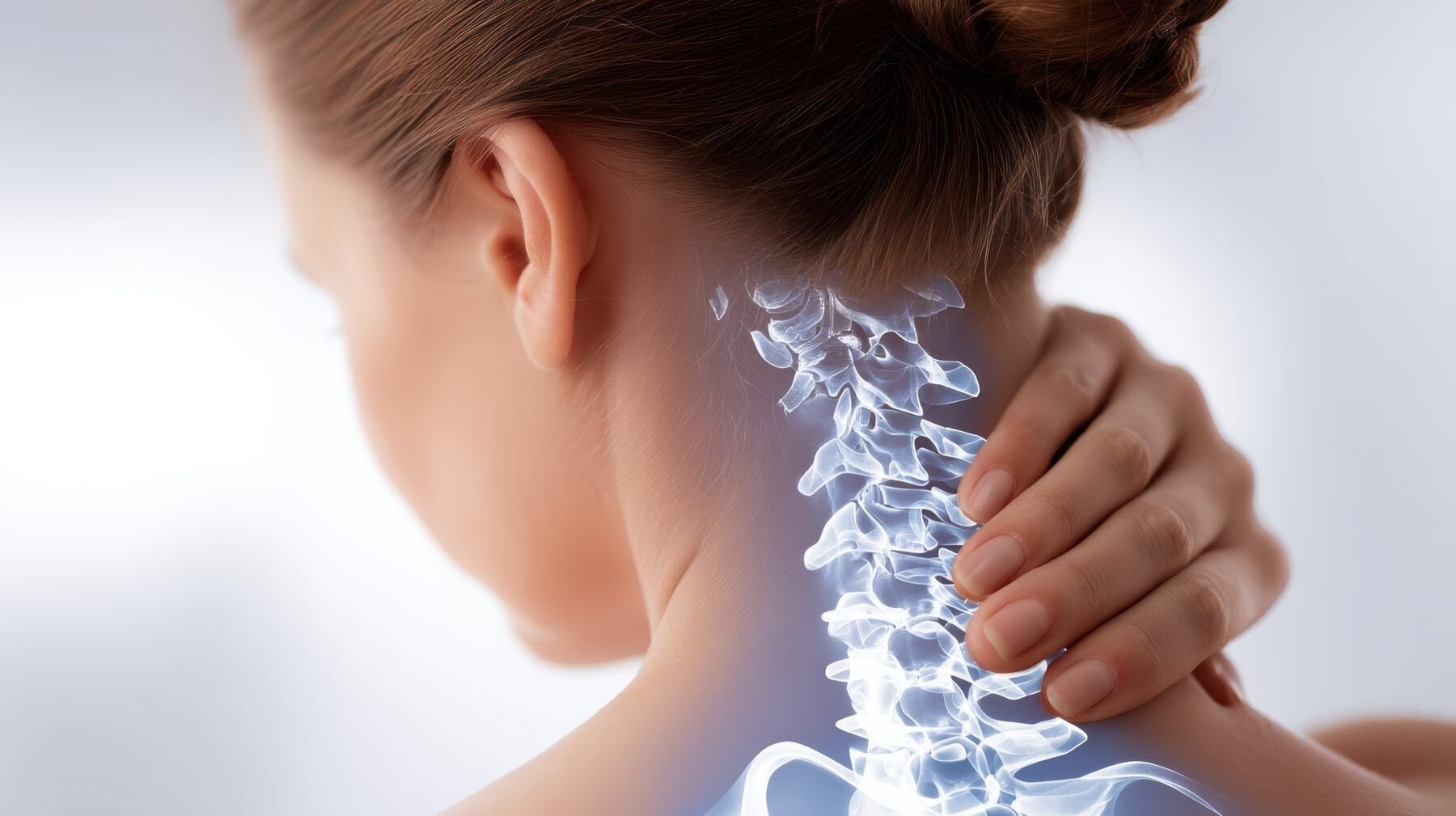
Car accidents, improper lifting, over-exertion, prolonged sitting, alcohol use, emotional stress, and even the birth process can cause vertebrae to lose their normal position and ability to move correctly. This can lead to interference with the nervous system, muscle damage, soft tissue injury, and a gradually worsening degenerative process.
When spinal joints lose their normal motion or alignment, this is called Spinal Kinesiopathology (kih-NEE-see-oh-puh-THOL-uh-jee), meaning abnormal movement or position of the spinal bones.
2. “Stiffness and muscle spasms” – Myopathology

Over time, the muscles that work to support a malfunctioning area of the spine can become filled with stringy scar tissue, a process known as fibrosis. This reduces their elasticity and weakens their ability to stabilize and move the spine correctly.
As a result, people with long-standing spinal problems often experience prolonged recovery. Repeated chiropractic adjustments are sometimes combined with additional therapies such as Trigenics® to help retrain and rehabilitate these damaged muscles. When the muscles that support the spine are not functioning properly, this is called Myopathology (my-oh-path-OL-uh-jee), meaning abnormal muscle function.
3. “Numbness or a tingling sensation” – Neuropathophysiology
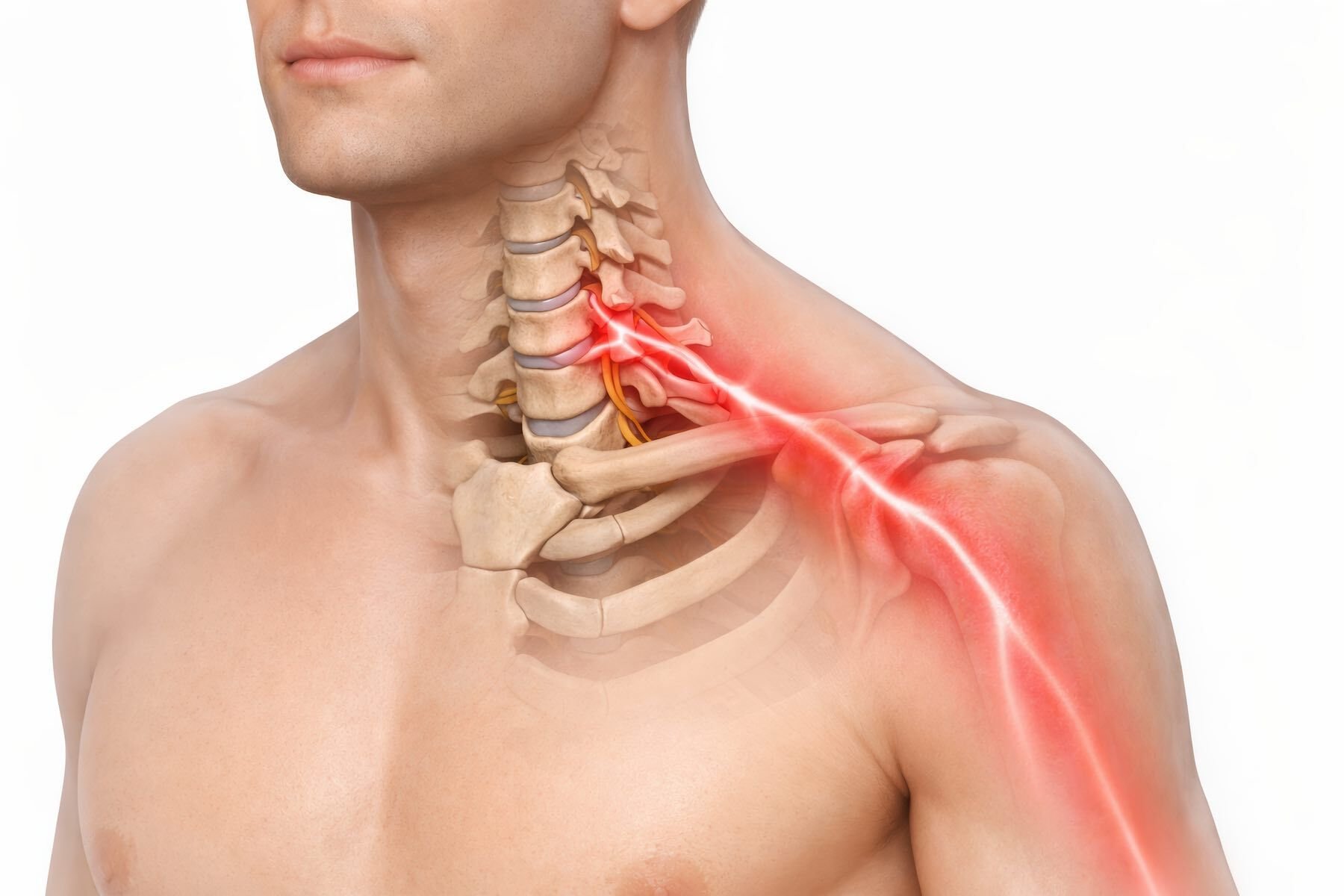
Your nervous system is a vast network of communication pathways that can malfunction when a vertebra presses on nerve tissue or when the spinal cord or nerve root is rubbed, stretched, twisted, or irritated. These “short circuits” disrupt normal nerve signaling and may contribute to pain, changes in organ function, and reduced overall health throughout the body.
When the nervous system is functioning abnormally in this way, doctors refer to it as Neuropathophysiology (nyoo-roh-path-oh-fiz-ee-OL-uh-jee), meaning abnormal function of the nervous system.
4. “Swelling and inflammation” – Histopathology
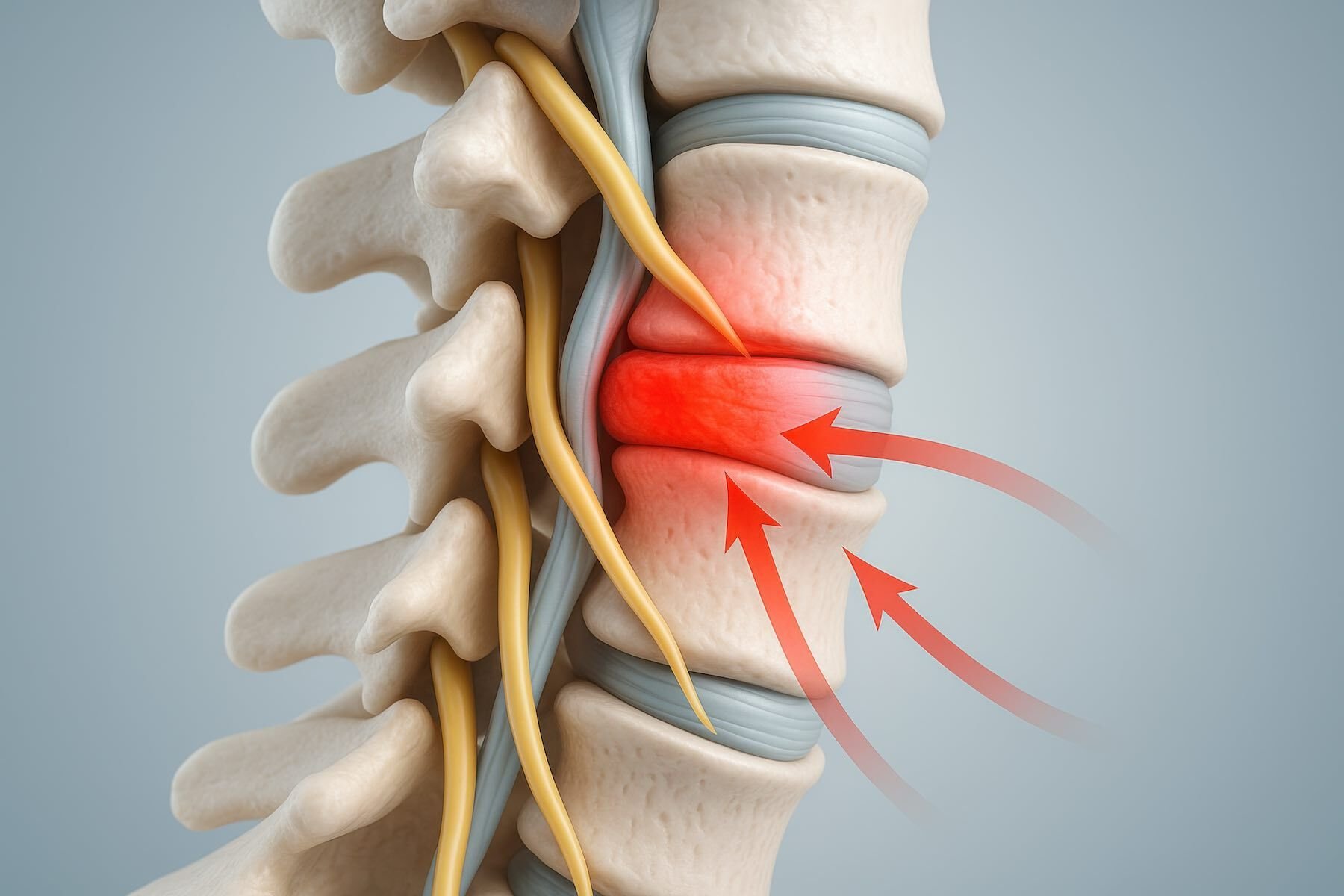
When spinal joints experience trauma or injury, the surrounding soft tissues can be significantly affected. Discs may begin to degenerate, and ligaments can stretch or tear. The resulting inflammation in these connective tissues is often accompanied by localized changes in temperature.
Because the discs between each vertebra do not have a direct blood supply, any damage they sustain typically heals slowly. When these soft tissues are not functioning as they should, this is referred to as Histopathology (hiss-toh-puh-THOL-uh-jee), meaning abnormal function of the soft tissues.
5. “Is it reversible?” – Pathophysiology
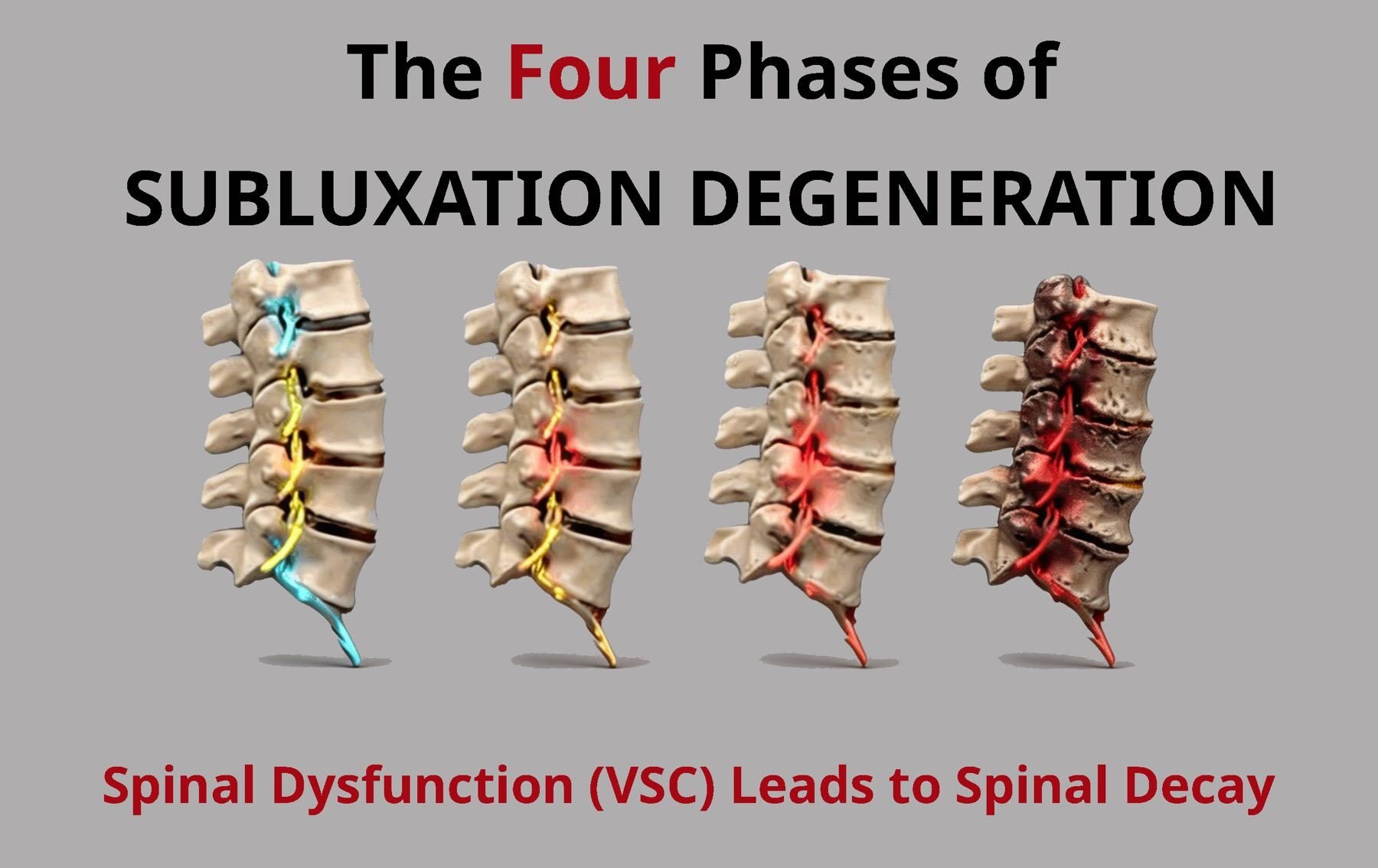
When regions of the spine undergo trauma or repetitive strain, the body often responds by trying to stabilize the malfunctioning joint with abnormal bony overgrowth. Over time, without appropriate chiropractic care and supportive measures, the joint surfaces can become rough, uneven, and progressively more restricted. If this process is allowed to continue unchecked, the involved spinal bones may eventually begin to fuse together.
When identified early, however, this degenerative process, sometimes called, spinal decay, can often be slowed, halted, or in some cases partially improved. This pattern of spinal degeneration, frequently associated with bone spurs and negative effects on other systems and organs distant from the spine, is referred to as Pathophysiology (path-uh-fiz-ee-OL-uh-jee), meaning abnormal function of the spine and body.
Could a Spinal Dysfunction Evaluation Help You?
If you have been dealing with recurring stiffness, limited motion, muscle tension, numbness, tingling, or other signs of spinal stress, I recommend having your spine and nervous system evaluated before these patterns of VSC become more advanced. Symptoms like these are often your body’s way of signaling that underlying mechanical and neurological stresses have been present for some time, even if they come and go or seem mild on certain days. Addressing these changes early can help reduce the likelihood of further degeneration and may make it easier for your body to respond to appropriate care.
Many people assume that aches, pains, stiffness, and low energy are simply an unavoidable part of aging. I encourage you to reconsider this belief. Many of our long-term wellness and maintenance patients report that they enjoy greater comfort, mobility, and day-to-day abilities than friends and peers who do not have a skilled chiropractic physician as part of their health care team.
A thorough vertebral subluxation complex, or VSC, evaluation can help identify areas of dysfunction and provide a clearer understanding of what may be contributing to your symptoms and overall health concerns. During this type of evaluation, we look at how your spinal joints are moving, how well your muscles are supporting the spine, how your nerves are functioning, and how the surrounding soft tissues are adapting. This more complete picture allows us to see patterns that might be missed with a quick or limited check, and it forms the basis for a personalized recommendation tailored to your unique situation.
If you would like a more complete picture of your spinal and nervous system function, call our office today to schedule your spinal dysfunction (VSC) evaluation and learn what personalized steps may best support your recovery and long-term wellness. Whether you are seeking relief from ongoing symptoms or wanting to be proactive about protecting your spinal health, a focused evaluation is an important first step toward making informed decisions and supporting your body’s ability to function at its best.
To schedule an appointment, please call our office at 586-731-8840.

Please spread the word and inspire others to take control of their health and wellness.
To learn more, check out what makes my philosophy unique among healthcare providers.
Always remember one of my mantras. "The more you know about how your body works, the better you can take care of yourself."
For more details about the natural approach I take with my patients, take a look at the book I wrote entitled: Reclaim Your Life: Your Guide To Revealing Your Body's Life-Changing Secrets For Renewed Health. It is available at my office, on Amazon, and at many other book outlets. If you found value in this article, please use the social sharing icons at the top of this post, and please share with those you know who are still suffering with chronic health challenges, despite receiving medical management. Help me reach more people so they may regain their zest for living! Thank you!