
Posted on Sun, Jan 29, 2012 @ 01:10 PM
Chia is an ancient superfood that is not very well known, except for the annual advertisement for Chia Pets around the Holidays.
Raw chia seeds are often called "runner's food". Chia is a nutrient-rich superfood that provides sustained energy for your body. Packed with more than 8 times the omega-3's found in salmon, this small seed as big nutritional value. With more antioxidants that blueberries and more fiber than oatmeal, the health benefits of using chia as part of a comprehensive nutritional plan for helping heal autoimmune health challenges is smart.
One key factor in helping heal the autoimmune patient is healing the digestive tract. Knowing the health of the digestive tract is important. Specific accurate testing is absolutely essential in understanding digestive system health. Fortunately Cyrex labs and Metametrix Labs provide me with excellent tests.
Some key factors in healing the digestive tract are:
- Elimination of allergic foods (based on testing)
- Elimination of immune system aggravating foods (again based on testing)
- Including immune balancing omega-3 fatty acids
- Including soluble fiber that feeds beneficial bacteria
- Reducing sugary foods - also known as high glycemic index foods
- Increasing vitamin D - known to help regulate the immune system
Chia seeds are high in soluble fiber and calcium and omega-3 fatty acids. They also produce a sugar balancing effect when eaten with foods. This is a great combination. Chia seeds can be used as substitutes for allergenic foods in recipes (for example, eggs) and can be a meal alomost all alone, as in the case of chia pudding for a breakfast cereal. I eat chia pudding at least once per week. It's YUMMY!
To further the concept of chia seeds belonging to the superfood family, consider this little seed has been purported to have:
- Two times the protein of any other seed or grain
- Five times the calcium of milk, plus boron, which is a trace mineral that helps transfer calcium into your bones
- Two times the amount of potassium as bananas
- Three times more iron than spinach.
- All the essential amino acids that make the a complete protein in an easily digestible form
Now you know why I am a BIG fan of chia seeds. I have additional great information and recipes, so click on the big orange link below to download this multi-page document in PDF format. You will LOVE it!
Posted on Tue, Jan 24, 2012 @ 11:18 PM
ADHD and AUTISM ON THE RISE
Recent years has seen an unprecedented rise in autism and attention deficithyperactivity disorder (ADHD).
Although researchers speculate on the reason for this rise, many factors likely contribute, including more accurate diagnosis. However, overwhelming evidence suggests that nutritional deficiencies may be a contributing factor.
OMEGA-3 FATTY ACIDS ARE KEY
Our brain and nerves are composed mostly of fat. The most important of these are called omega-3 fatty acids and are found primarily in fish or fish oil supplements. Also called EPA and DHA, they are absolutely necessary for human health, and their concentration in the brain makes them key players in neurological disorders such as autism and ADHD. Brain and nerve growth throughout childhood is extraordinarily rapid, and the need for omega-3 fatty acids remains critical all the way through adolescence and into adulthood. Overwhelming evidence implicates deficiencies in omega-3 fatty acids for the rise in autism and ADHD. Research shows that children with low scores on behavioral assessment tests consistently have lower omega-3 fatty acids levels, and when supplemented with fish oils, the symptoms of ADHD in these children such as hyperactivity, impulsiveness, and inability to pay attention - dramatically improve.
WHY MEASURE THE OMEGA-6 TO OMEGA-3 RATIO?
We are familiar with the expression that a child’s brain is like a sponge, ready to absorb information at an astounding rate. A truly appropriate analogy, it stems from the fact that our brains can actually create nerve pathways in response to new experiences and learning environments. Called “neuronal plasticity,” this phenomena is crucial for long-term memory and learning. Proper levels of the omega-3 fatty acid, DHA (docosahexaenoic acid), is important for membrane fluidity. The ratio of omega-6 fatty acids, which differ in structure and function, to omega-3 fatty acids affect neuronal plasticity as well. Scientists now agree that the ratio of omega-6 fats to omega-3 fats is as important as the actual levels, especially in autism and ADHD. A lower ratio is better and when this ratio is improved, symptoms of autism and ADHD can improve as well.
ZINC – THE MOOD MINERAL
Zinc deficiency is often implicated in ADHD because it is an important co-factor to several neurotransmitters, which directly affect mood and learning ability. Specifically, zinc affects the production of dopamine, a feel-good chemical in our brains that is needed for learning and certain emotions like motivation and pleasure. In fact, studies show that zinc levels correlate with anxiety and behavioral problems, as well as have a significant effect on information processing in boys with ADHD. Since zinc levels are much lower in autistic and ADHD individuals, children with ADHD show positive behavioral and cognitive results after zinc supplementation.In addition, zinc is essential for proper elimination of the toxic metal mercury from our brain tissue, which has also been linked to autism and ADHD.
VITAMINS AND AUTISM
Low levels of vitamin D have been linked with autism and in some cases of severe deficiency, high-dose vitamin D therapy actually reversed some of the autistic behaviors. Some research even suggests that the nutritional status of the mother during gestation can affect behavior in children. One study confirmed that low folate status in pregnancy was associated with hyperactivity in children. Other studies show that persons who carried a common gene that predisposes them to folate and vitamin B12 deficiency (called the MTHFR gene) were more likely to suffer from ADHD. Supplementation with thiamine (vitamin B1) has shown clinical benefit to some autistic children. Specifically, a deficiency in vitamin B1 has been associated with delayed language development in childhood.When deficient, biotin (vitamin B7) can potentially cause neurological problems associated with autism since the brain is quite vulnerable to biotin deficiency.
MAGNESIUM AND VITAMIN B6 – A WINNING COMBINATION
Like most nutrients, magnesium and vitamin B6 work together in improving clinical symptoms of autism and ADHD.
When a group of autistic children were supplemented with magnesium and vitamin B6, 70% of the children showed improvement in social interaction and communication. Interestingly, when the supplements were stopped, the clinical symptoms reappeared. In another study, physical aggression and inattention improved after supplementation with magnesium and vitamin B6 for a few months.
THE ROLE OF NEUROTRANSMITTERS
Neurotransmitters are tiny chemicals that transmit information from the outside world to various parts of our brains and from our brains to the rest of our bodies. Although neurotransmitters, such as choline, glutamine, asparagine and inositol may not be recognized as household names, they profoundly affect emotions, thinking and social behavior. For example, levels of glutamine and asparagine are lower in autistic children and some adults with ADHD.
AN AMINO ACID THAT IMPROVES CARNITINE – BEHAVIOR
Carnitine is an amino acid whose primary function is to transport fatty acids, including the ever-so-important omega-3 fatty acids into cells so they can be used for energy. In autistic individuals, carnitine levels are significantly reduced, which then affects the patient’s ability to use the fatty acids that are so critical to their learning and social development.
A recent study demonstrated that carnitine can reduce hyperactivity and improve social behavior in boys diagnosed with ADHD, and may actually represent a safe alternative to the use of stimulant drugs for the treatment of ADHD in children.
ADHD AND AUTISM – AN OXIDATIVE STRESS DISORDER?
Oxidative stress is a term used to describe damage to our cells that occurs on a daily basis throughout our bodies. Fortunately, our bodies have built-in defenses against the onslaught of internal and external toxins causing oxidative stress in our tissues. Interestingly, several studies show an increase in oxidative stress in both autism and ADHD, resulting in an impaired ability to eliminate toxins. Specifically, adults with ADHD have extremely low levels of some of the most powerful antioxidants in the body. One study linked damage in fatty tissue surrounding our cells to symptoms of autism and ADHD. Minerals such as selenium and copper, antioxidants such as cysteine and vitamin E and several other nutrients ensure the body’s powerful defense systems work optimally.
A MULTI-FACETED APPROACH
Since so many nutrients are needed to keep our amazingly complex brain and nervous system functioning properly, a comprehensive assessment of your nutritional status is key. In disorders like autism and ADHD, the potential improvement of symptoms when even a single deficiency is corrected can often be quite dramatic.
One great way to find out if you, or your child have nutritional deficiencies is with the SpectraCell Micronutrient Testing. This specialized blood test can help Dr. Johnson determine specific nutrients missing from you and/or your child's diet.
This blog post is courtesy of SpectraCell Laboratories and is used with permission.
Posted on Sat, Jan 21, 2012 @ 10:35 AM
Often information comes along that needs to be passed on. This article from Science Daily is an example of that information. This research paper explains a phenomenon that clinicians such as myself have observed for a long time. I get dozens of requests for information monthly from thyroid symptoms sufferers, whose tests are "normal".
Why do these patients still have symptoms when theirs tests are normal? Many reasons, but chiefly because not enough testing is done or the wrong tests are done, or the tests are not specific or sensitive enough.
I wrote a revealing thyroid report that you can read by clicking on the big orange button below.
You can also download my thyroid ebook; "The Ultimate Strategy For Ending Your Symptoms So You Regain The Zest In Your Life" by clicking on the image of the eBook at the beginning of this blog post. Now for the research article...
ScienceDaily (Feb. 25, 2011) — Hashimoto's thyroiditis (HT), an inflammatory disorder of the thyroid, is the most common cause of hypothyroidism, but a study has suggested that even when thyroid function is normal, HT may increase symptoms and decrease quality of life, as described in an article in Thyroid, a peer-reviewed journal published by Mary Ann Liebert, Inc.
Hashimoto's thyroiditis most commonly affects middle-aged women and is associated with an array of symptoms that include chronic fatigue, dry hair, chronic irritability, difficulty concentrating, constipation, and chronic nervousness. Affected patients tend to report decreased quality of life. HT is an autoimmune disorder in which the body produces an antibody that attacks the thyroid gland resulting in inflammation, and often decreased thyroid function (hypothyroidism).
Johannes Ott and colleagues from Kaiserin Elisabeth Spital and Medical University of Vienna, Austria, report that women with higher levels of anti-thyroid antibody had a significantly higher number of symptoms, even though their levels of thyroid-stimulating hormone (TSH) -- a measure of thyroid function -- did not differ from TSH levels measured in women with lower antibody levels. In the article, "Hashimoto's Thyroiditis Affects Symptom Load and Quality of Life Unrelated to Hypothyroidism: A Prospective Case-Control Study in Women Undergoing Thyroidectomy for Benign Goiter " the authors conclude that hypothyroidism is only one factor contributing to HT symptoms.
"This study raises important clinical issues. Although the authors did not study thyroid hormone treatment for Hashimoto's thyroiditis, it raises the possibility that optimal doses of thyroid hormone will not completely ameliorate all symptoms. Further studies are required to confirm the findings of Ott et al. and to determine if patients with hypothyroidism due to Hashimoto's thyroiditis still have residual symptoms despite achieving an ideal biochemical response to thyroid hormone replacement therapy," says Charles H. Emerson, MD, Editor-in-Chief of Thyroid and Professor Emeritus of Medicine at the University of Massachusetts School of Medicine, in Worcester.
Story Source:
The above story is reprinted from materials provided by Mary Ann Liebert, Inc., Publishers, via AlphaGalileo.
Journal Reference:
- Johannes Ott, Regina Promberger, Friedrich Kober, Nikolaus Neuhold, Maria Tea, Johannes C. Huber, Michael Hermann. Hashimoto's Thyroiditis Affects Symptom Load and Quality of Life Unrelated to Hypothyroidism: A Prospective Case–Control Study in Women Undergoing Thyroidectomy for Benign Goiter. Thyroid, 2011; 21 (2): 161 DOI: 10.1089/thy.2010.0191
Mary Ann Liebert, Inc., Publishers (2011, February 25). Hashimoto’s thyroiditis can affect quality of life even when thyroid gland function is normal. ScienceDaily. Retrieved December 20, 2011, from http://www.sciencedaily.com /releases/2011/02/110225123029.htm#
Posted on Sat, Jan 07, 2012 @ 07:46 AM
Food lectins are a class of proteins naturally found in various plants. The specific type of lectin varies by the plant they are in. These proteins were given the name lectin by their discoverer, William Boyd who was an immunochemist, anthropologist and author. He chose the name lectin because it is Latin for "I Choose". Lectins are very specific in their action, in that they have an affinity for carbohydrates.
Remember that the surface of our blood cells are lined with carbohydrate structures that confer our specific blood type. In addition our entire intestinal tract and in particular our small intestine in lined with a protective carbohydrate "slime layer" called the glycocalyx.
Lectins are very specific and like to attach to very specific carbohydrates and cause the cells they bind to, to clump together, a process called agglutination. Some lectins are lethal and cause death in short order if they get into the bloodstream. One such lectin is ricin, which is derived from the castor bean plant. In fact the KGB used a small platinum pellet covered with ricin to kill BBC commentator, Georgi Markov. The assassin used the tip of an umbrella to fire the ricin laden platinum pellet into Markov's leg while he was waiting at a London bus stop.
Many food lectins can interact with and damage the delicate lining of the small intestine and lead to a "leaky gut" via inflammation of the microvili (the finger like projections of the intestinal cell that increase surface area). certain microbes can accomplish the same task (creating inflammation) due to lectins they contain as well. The small intestinal microvilli also can bring these food lectins into the bloodstream via a process called endocytosis, which is a way of transporting nutrients and other items from the intestinal lumen into the blood stream. Here is a short video explaining the concepts of lectins and their absorption:
Leaky gut is a name used to describe intestinal or bowel increased permeability. The gut becomes leaky in the sense that bacteria, fungi, parasites and their toxins, undigested protein, fat and waste normally not absorbed into the bloodstream in the healthy state, pass through a damaged, hyperpermeable, porous or "leaky" gut.
Why is leaky gut syndrome important? The leaky gut syndrome is almost always associated with autoimmune disease and reversing autoimmune disease depends on healing the lining of the gastrointestinal tract. Any other treatment is just symptom suppression. An autoimmune disease is defined as one in which the immune system makes antibodies against its own tissues. Diseases in this category include lupus, alopecia, rheumatoid arthritis, polymyalgia rheumatica, multiple sclerosis, fibromyalgia, peripheral neuropathy, Addison's disease, chronic fatigue syndrome Sjogren's Syndrome, vitiligo, thyroiditis (Hashimoto's), vasculitis, Crohn's Disease, ulcerative colitis, urticaria, hives, diabetes, Raynaud's disease and Alzheimer's Disease and others.
One important way I help patients with autoimmune disease is to utilize the concepts of the Blood Type Diet and lectins in dietary management. Of course there are other concepts I blend into the "healing protocol mix" I call Johnson Neuro-Metabolic Therapy as well.
If you have an autoimmune condition, you owe it to yourself to explore this lectin concept in the overall healing journey to your healthy future. Call my office at 586-731-8840 to schedule your case review.
Posted on Thu, Jan 05, 2012 @ 04:42 PM
In my practice I have found that patients who know and follow their basic ABO blood type diet as described in Eat Right 4 Your Type works very well. However, some individuals may not derive maximum benefit from the Blood Type Diet until they first determine their Secretor Status. Knowing this information then allows for the use of the more specific diet lists included in the book Live Right 4 Your Type. Both books were written by Peter J. D'Adamo.
In the genetics of the secretor system two options exist. A person can be either a secretor (Se) or a non-secretor (se). This is completely independent of whether you are a blood type A, B, AB, or O. Thus a person could be an A secretor or an A non-secretor, a B secretor or a B non-secretor, etc.
Secretors: In a simplified sense, a secretor is defined as a person who secretes their blood type antigens into body fluids and secretions like the saliva in your mouth, the mucus in your digestive tract and respiratory cavities, etc.
Non-Secretors: A non-secretor on the other hand puts little to none of their blood type into these same fluids.
As a general rule, in the US about 15-20% of the population are non-secretors with the remaining 80-85% being secretors. In my family of five, four of us are seceretors and only one is a non-secretor. Aside from the physical implications centering around whether you have blood type antigens in your body fluids or not, the secretor genetics have additional significance through the effects of gene linkage: In other words, the outcome of your secretor genetics 'links' to other seemingly unrelated genes and influences their function.
In addition, as a generality, being a Non-secretor (based on all of the available information) does actually appear to be a potential health disadvantage. At a very basic level, being able to secrete blood type into your saliva, mucus, etc. allows for an added degree of protection against the environment, particularly with respect to microorganisms and lectins.
Several years ago I developed the desire to learn the science behind the blood type diet as a way of life. The reason was my wife's chronic pains that I could not help with my chiropractic set of tools. I felt like my schooling had failed me in enabling me to help my most treasured relationship. In hind sight I now know that Sandy was meant to be in my life to help me learn many lessons. Most husbands need to admit this about their spouse. Sandy is an amazing woman and I would be lost in many ways without her. I am truly indebted to her.
My learning journey took me to the Institute for Human Individuality where I studied (and continue to do so today) the concepts behind the Blood Type Diet.
Your ABO blood type is controlled by your genetics, just as are your hair or eye color and many of your other attributes. The gene coding for your blood type lies on chromosome 9q34. However, other separate genes on chromosome 11 and 19 actually interact with your blood type gene, determining your ability to secrete your ABO blood type antigens into your body fluids and secretions. This is called the secretor gene, and by testing for this gene we can determine whether you are a secretor or non-secretor. A simple saliva test kit is available for about the fee for an office visit.
I focus a lot of my clinical efforts in helping people recover from chronic conditions such as diabetes, autoimmune thyroid, peripheral neuropathy, fibromyalgia, balance disorders, tinnitus, autism, ADD/ADHD, digestive and skin issues, etc. Knowing the connection between blood type and secretor status and susceptibility to these conditions is important.
Here are a few examples:
Autoimmune Disease
Non-secretors appear to have an increase in the prevalence of a variety of autoimmune diseases including ankylosing spondylitis, reactive arthritis, psoriatic arthropathy, Sjogren's syndrome, multiple sclerosis, and Grave's disease.
Diabetes, Heart Disease, & Metabolic Syndrome X
Non-secretors are at a greater risk of developing diabetes (especially adult onset diabetes); and they might be at a greater risk of developing complications from diabetes. Data allows the conclusion that Non-secretors are a risk factor for myocardial infarction and heart disease (note: this is particularly true for men).
Several different researchers have noted a connection between a metabolic syndrome called "Syndrome X" and Non-secretor blood types. Syndrome X is a clustering of metabolic problems comprised of insulin resistance (your cells do not respond effectively to the insulin that you create), elevated plasma glucose (high blood sugar), lipid regulation problems (elevated triglycerides, increased small low-density lipoproteins, and decreased high-density lipoproteins), high blood pressure, a prothrombic state (tendency to clotting), and obesity (especially central obesity or a predisposition to gaining weight in the abdomen).
This cluster of metabolic disorders seem to interact to promote the development of diabetes (adult onset type II), atherosclerosis, and cardiovascular disease. And while insulin resistance might lie at the heart of the problem, all of these metabolic disorders appear to contribute to health problems.
If you would like to find out your blood type and secretor status and how we might use this information along with other types of treatment, call my office at 586-731-8840.
Posted on Fri, Dec 23, 2011 @ 12:17 AM
Headlines on the possible risks of vitamin and mineral supplements have bombarded mainstream media recently, and sparked controversy over whether doctors should recommend supplements to their patients.
My intense study of human physiology and nutritional guidance affords the patients who seek my care a low risk to high benefit ratio with nutritional repletion. For many years I have recommended nutritional supplement support for patients with a variety of health challenges, including those with autoimmune disorders. Instead of guessing what supplement to recommend for a particular patient, I've always used biofeedback methods to determine they type and dosage of the supplements.
More recently, I have augmented my biofeedback methods of determining what nutritional support could be of assistance for patients. One such method is SpectraCell micronutrient testing.
SpectraCell’s micronutrient testing quashes the concerns that doctors and patients have regarding purported risks of taking supplements. For the past 18 years, SpectraCell's testing indicates that over 90% of patients have functional micronutrient deficiencies, which compromise immune function and cause disease. Testing nutritional status allows an appropriate, individualized repletion program based on actual deficiencies.
SUMMARY OF PUBLISHED STUDIES HEADLINING POSSIBLE SUPPLEMENT RISKS
Specifically, two reports were published in October, 2011 that raised concerns over supplements. A paper published in the Journal of the American Medical Association concluded that vitamin E supplements increase the risk of prostate cancer by 17%.1 Critics argue that the vitamin E study was flawed because only one of the eight naturally occurring forms of vitamin E was given, causing an imbalance (alpha vs. gamma tocopherols) that ironically is linked to cancer.3,4
Another widely publicized report in the Archives of Internal Medicine concluded that the incidence of death increased in elderly women taking common supplements such as B vitamins and certain minerals.2 Critics of this study emphasize that actual nutrient levels were never tested and the data was subjective at best, since vitamin levels were estimated from questionnaires. Authors concluded that many commonly used dietary supplements increase mortality, causing such headlines as “your vitamins may be killing you” in mainstream media. The study implies vitamins to be dangerous, when in reality the study reinforces the need for targeted versus blind supplementation.
In both reports, it was mentioned (but not emphasized), that the findings were not based on patients with pre-existing nutrient deficiencies…a caveat ignored by most media stories.
MORE IS NOT ALWAYS BETTER
The “more is better” philosophy can be dangerous when it comes to supplements, since blind supplementation can cause imbalances, create pro-oxidant effects and actually induce deficiencies in other nutrients as a side effect. Micronutrient testing directly measures the functional status of 32 nutrients, plus antioxidant capacity. Since our tests perform a functional cellular analysis on T-cell lymphocytes (a type of white blood cell) with a long lifespan relative to other cells, the results give a 4-6 month nutritional history, and are closely indicative of overall immune function as well. With a simple blood draw, you will determine the nutrients in which you are specifically deficient and choose supplements based on your actual deficiencies.
Micronutrient testing is the objective, scientific approach to vitamin and mineral supplementation. For more information, go to www.spectracell.com. Of course you can order SpectraCell micronutrient testing from Dr. Karl R.O.S. Johnson, DC. Just click on the big button below for a special document explaining the test.
Portions of this article courtesy of:
J. Fred Crawford, Ph.D. Senior Vice President, Laboratory Director for SpetraCell
References:
1Klein EA ,Thompson IM Jr, Tangen CM et al. Vitamin E and the risk of prostate cancer: the Selenium and Vitamin E Cancer Prevention Trial (SELECT). JAMA 2011;306(14):1549-1556.
2Mursu J, Robien K, Harnack LJ et al. Dietary Supplements and Mortality Rate in Older Women: The Iowa Women’s Health Study. Arch Int Med 2011;171(18)1625-1633.
3Helzlsouer KJ, Huang HY, Alberg AJ et al. Association between alpha-tocopherol, gamma-tocopherol, selenium, and subsequent prostate cancer. J Natl Cancer Inst. 2000;92(24):2018-2023.
4Lippman SM, Klein EA, Goodman PJ, et al. Effect of selenium and vitamin E on risk of prostate cancer and other cancers: the Selenium and Vitamin E Cancer Prevention Trial (SELECT). JAMA. 2009;301(1):39-51.
Posted on Wed, Dec 21, 2011 @ 08:34 PM
Yes, you read that correctly. Medical research shows that the elderly with cholesterol less that 189 had a double risk of dying.
Physicians were informed to consider very low levels of cholesterol as potential warning signs of a serious disease or as signals of rapidly declining health.
Have you been told your cholesterol is too low? I have been telling my elderly patients this news for years now. I hope to get the word out even wider with this blog post. Please help me spread the word. Re-tweet, "Like" this post, "Google +1" this post. That will help me spread the word.
Clinically, I have found many patients with autoimmune disorders to have low cholesterol and either very low triglycerides or very high HDL. These out of range blood chemistry values are commonly associated with excessive systemic inflammation.
For some background; the study included 4520 men and women between the ages of 65-84.
The study concluded that low total cholesterol was associated with a higher risk of death.
Low cholesterol level is a robust predictor of mortality in the nondemented elderly and may be a surrogate of frailty or subclinical disease according to the research team.
Another study debunks the idea that too much animal fat and high cholesterol are dangerous to your heart and vessels. Researchers at the University of California, San Diego, School of Medicine revealed that high cholesterol in those over 75 years of age is protective, rather than harmful and that low cholesterol is a risk factor for heart arrhythmias (leading cause of death if heart attack occurs). People with high cholesterol live the longest.
Furthermore, researchers from the University of Denmark report that about 15% of cholesterol lowering drug users over the age of 50 will suffer from nerve damage as a direct result of using statin (cholesterol-lowering) drugs.
If you're one of the millions of people who believe these "facts" about cholesterol, get ready for an education. Take this True or False quiz to see if you can separate fact from myth about cholesterol.
1. Cholesterol is a vital substance necessary for good health. T / F
2. The lower your cholesterol, the healthier you will be. T / F
3. Having cholesterol levels of less than 150 significantly reduces your risk of dying from heart disease. T / F
4. The lower your cholesterol levels are the greater your risk of dying from cancer. T / F
5. Cholesterol plays a role in helping to protect the body against environmental toxins. T / F
6. Cholesterol is important in maintaining fertility and sex drive. T / F
9. Oxidative stress and inflammation are the root cause of cardiovascular disease. T / F
10. High insulin levels are a greater risk factor for cardiovascular disease than high cholesterol. T / F
(See the answers below the References section)
So the next time you see a commercial on the television or hear one on the radio for a cholesterol lowering drug...well, in the words of the late Paul Harvey, "and now you know the rest of the story".
In case you want to look up the information yourself, I've included the a couple of references below.
References:
Brescianini S, Maggi S, Farchi G, Mariotti S, Di Carlo A, Baldereschi M, Inzitari D; ILSA Group. Low total cholesterol and increased risk of dying: are low levels clinical warning signs in the elderly? Results from the Italian Longitudinal Study on Aging. J Am Geriatr Soc. 2003 Jul;51(7):991-6.
Schupf N, Costa R, Luchsinger J, Tang MX, Lee JH, Mayeux R. Relationship between plasma lipids and all-cause mortality in nondemented elderly. J Am Geriatr Soc. 2005 Feb;53(2):219-26.
Krumholz HM et al. Lack of association between cholesterol and coronary heart disease mortality and morbidity and all-cause mortality in persons older than 70 years. Journal of the American Medical Association. 1990;272;1335-1340.
Fallon S, Enig M. Dangers of statin drugs: what you haven't been told about popular cholesterol-lowering medicines. June 14 2004. http://www.westonaprice.org/cardiovascular-disease/dangers-of-statin-drugs
Answers: 1. True 2. False 3. False 4. True 5. True 6. True 7. False 8. False 9. True 10. True
Posted on Sun, Dec 18, 2011 @ 12:01 AM
Christmas and the other winter holidays are just about here. My family and many others are following a health restoring diet due to autoimmune issues or other health challenges.
Part of this health restoring diet involves avoiding foods that you are genetically or immunologically intolerant of (special testing can reveal this important information). For many that means a diet that is devoid of wheat, rye and barley (gluten containing grains), milk and milk products (casein containing food) along with soy based products. Unfortunately, sometimes my patients feel they are missing out on foods and desserts they once enjoyed.
Going on a diet "vacation" for those of us who are immunologically reactive can set off a vicious systemic inflammatory attack that can last for several weeks or months. It's just a BAD idea to "cheat". And it's not necessary.
Well, I'm very happy to say that you don't have to cheat. I've assembled a nice collection of recipes that are tried and tested and are yummmmy!
Not only are there some great dessert recipes, but also, salad, appetizer and meal accompaniments and many can be used year round.
I also have a bunch of chia recipes and information about chia seeds. Chia seeds are my new darling "superfood" that I am fully embracing. Not only is it gluten, casein and soy free, but also all blood-type friendly and full of wonderful nutrients along with being very versatile (and INEXPENSIVE). How many times to you see that amazing combination of attributes?
I also have a downloadable document on chia seed information and recipes available, just for the asking. I truly am walking the walk when it comes to helping with autoimmune anc chronic illness recovery. On facebook you will often see my posts contain pictures of what I'm about to sit down and eat. I often get requests for a cook book. Well these documents will be a first installment. I know you will enjoy them.
Here is a partial list of the recipes that you can download for FREE:
- Steamed Brussels Sprouts with Maple
- Almond Nut Butter Cookies
- Sugar & Spice Cookies
- Pumpkin Pie Spice "Ice Cream"
- Chocolate Raspberry Brownie
- Gingerbread Christmas Cookies
- Rosemary Nut Mix
- Chia Lemonade
- Orange Banana Smoothie
- Chia Fruit Delight
- Awesome Chia Breakfast
- and several more recipes
Have a great Christmas, Hanukkah or Kwanzaa, whatever the case may be. Now you have some tools to make healthy choices as well. Happy baking, eating, cooking and healing!
Posted on Tue, Dec 13, 2011 @ 03:01 AM
The main problem with the treatments some doctors prescribe for peripheral neuropathy is that they never go after the root of the problem, but focus on the symptoms – in your case; numbness, tingling, burning and/or a feeling of weakness. And when these treatments wear off (which they do), you'll often find they only cover up your problem for a short time and do nothing to fix what's causing your neuropathy in the first place.
Some doctors give their patients anti-seizure meds like Neurontin for their neuropathy. Anti-seizure meds like Neurontin, Klonopin, and Topamax were not meant to cure neuropathy! (I guess it doesn’t matter that Pfizer, the maker of Neurontin, was fined $430 million dollars in 2004 for recommending that Neurontin be used “off label,” or for purposes other than its intended use). These drugs were developed for EPILEPSY, NOT NEUROPATHY! These meds work by using a chemical that tells your brain to SLOW DOWN. While this may be okay once in a while, using these medications can only make your condition worse in the long run in two ways:
1. Numbness, burning and tingling, as we all know, is your body's way to telling you there is something wrong. And because you feel numbness, burning and/or tingling, you stop doing things that can make your problem worse. For instance, if you sprained your ankle and didn't know it, then you'd keep walking on it until it fell off or something horrible happened.
If you are taking pills so you can get through a day of work, then you are probably making your problem worse because you've sabotaged your body's only means of keeping you healthy. Obviously, this form of treatment is not a permanent fix – no matter how many pills you take, you'll never get better!
2. These pills can cause dangerous side effects. You see, the chemical they disable does more than just slow down your brain. Depending on what pill you're taking, you can leave yourself open to liver failure, kidney damage, and gastrointestinal hemorrhage.
Trust me on this, these 'side effects' are 100 TIMES WORSE than the numbness, burning and/or tingling you're taking these pills for in the first place!
Wearing wrist or foot splints may seem harmless enough, but you're only supposed to wear them when you have numbness, burning and/or tingling. Using them as a crutch will only lead to the formation of scar tissue in your wrist or foot. And that will only make your condition worse!
So, if your doctor is treating you by covering up your numbness, burning and/or tingling...YOUR Doctor's Treatment Is Most Likely Making Your Problem Worse!
I’ve made it my life’s work to stay on the cutting edge of non-surgical procedures and specialized treatment technologies…dedicated to helping sufferers of numbness, tingling, burning and sharp pain caused by nerve related conditions. Patients that have been discouraged and frustrated by conventional medical care and left taking medications that do nothing but cover up the symptoms and don’t address the underlying cause of the condition.
If you would like to learn more visit my peripheral neuropathy page where I reveal some aspect of the five key elements that have to be addressed to defeat neuropathy. Go ahead - you will find it worth your while!
Posted on Sat, Dec 10, 2011 @ 07:44 PM
Peripheral neuropathy (PN) describes damage to the peripheral nervous system, the vast communications network that transmits information from the brain and spinal cord (the central nervous system) to every other part of the body.
Peripheral nerves also send sensory information back to the brain and spinal cord, such as a message that the feet are cold or a finger is burned. Damage to the peripheral nervous system interferes with these vital connections. Like poor connection to a cell phone tower, peripheral neuropathy distorts and sometimes interrupts messages between the brain and the rest of the body. Patients with peripheral neuropathy often experience chronic tingling, numbness, weakness, or burning pain. They often find it difficult to walk, sense if they are going down stairs properly, know if they have injured the affected area and generally are miserable because of the chronic pain they often experience. neuropathy describes damage to the peripheral nervous system, the vast communications network that transmits information from the brain and spinal cord (the central nervous system) to every other part of the body. Peripheral nerves also send sensory information back to the brain and spinal cord, such as a message that the feet are cold or a finger is burned. Damage to the peripheral nervous system interferes with these vital connections. Like poor connection to a cell phone tower, peripheral neuropathy distorts and sometimes interrupts messages between the brain and the rest of the body.
To make matters worse, the poor connection eats away at your confidence because your sure-footedness is gone. Now it's difficult to do the things you enjoy, like golfing, hunting, shopping and just about anything else. Peripheral neuropathy robs you of your joy for living.
Unfortunately most neuropathy treatments are going to fail because of two main reasons:
- There is no true understanding of the nature and location of the nerve problem.
- The treatments are not designed to address the nerve or muscle function; they only attempt to minimize the symptoms while bringing with them dangerous side effects.
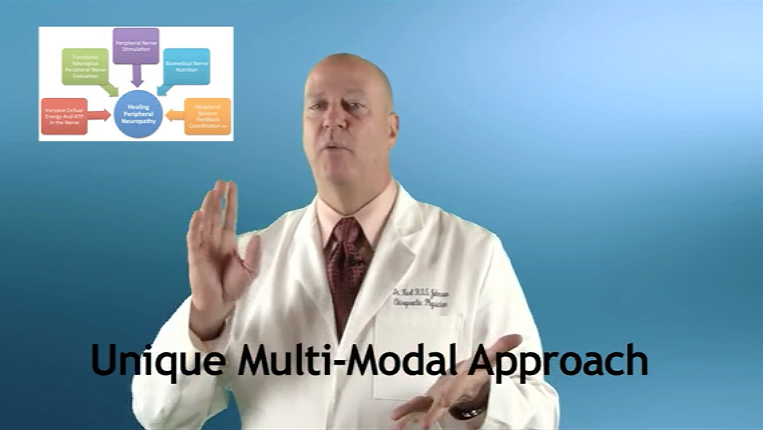
So what can you do. You are still searching for answers. That is why you are reading this blog post. I have discovered there are 5 key elements … or what I like to call ingredients, to properly heal a damaged nerve and create real and lasting relief from peripheral neuropathy.
Just like a recipe if you leave out an ingredient or don’t put the right amount of the ingredients you don’t get the result you are looking for.
At our treatment center we have combined the five key elements required to address the damaged nerves in your feet and hands and provide true and lasting relief.
Most neuropathy treatment approaches include one or maybe two of these key elements in healing peripheral neuropathy while completely ignoring the others.
This topic is really too long for a blog, but I have a special guide you can download for free that explains all the details of how to successfully defeat peripheral neuropathy. Just click on the huge orange button below.