

Dr. Karl R.O.S. Johnson, DC, Shelby Township, Macomb County Metro Detroit Area Doctor Shares How and Why Hypothyroid Symptoms Can Be Affected by Blood Sugar Levels
Let’s Take A Look At The Important Role Of Balanced Blood Sugar Levels And Your Low Thyroid Symptoms
Proper Blood Sugar levels are critical for anyone with low thyroid function. Normal blood glucose levels medically have a broad range of anywhere from 70 to 105. Functional or optimal blood glucose levels are 85 to 99. According to the American Diabetic Association, a blood sugar level reading of 106 to 126 is called, “Insulin resistance,” and anything above 127 is diabetes.
I know you may be thinking, I don’t have diabetes. Here is the thing, you don’t have to be diabetic to have blood sugar problems. Your body does not like to have the range for blood sugar too high or too low. Anytime the range gets out of the normal functional range (85-99), you start to get inflammatory chemicals released in the body. These inflammatory chemicals are called cytokines and they are not a good thing. The events that are triggered by inflammatory cytokines are like a domino effect that is difficult to stop and can lead to autoimmune conditions!
Here is a scary example of how the traditional model can go wrong. One of my patients, Carol, came in for me to take a look at her health challenges. During the exam I noticed several indicators pointing towards blood sugar problems, such as difficulty with memory (she was forgetting where she was put her students school assigments, etc.), belly fat issues and being overweight. This gal already knew she was headed towards diabetes based on tests she had from her medical practitioner.
Suffice it to say we took a different approach and Carol did not have to go on any medications. She was to the point where she was desperate for change and willing to do whatever it took to get better. Fortunately, Carol came in time. We were able to control it with diet, and proper supplementation. She now is ready to get started with exercise, which is an important part of controlling blood sugar. The good news is that Carol no longer has any of the symptoms of diabetes.
Here are a few symptoms of when the Glucose, or blood sugar, is not regulated properly:
- Poor memory, forgetful
- Fatigue after meals
- Increased thirst & appetite
- Difficulty sleeping
- Waist girth is equal or larger than hip girth
- Feel shaky, jittery, tremors
- Blurred vision
- Depend on coffee to get going in am
- Lightheaded if meals are missed
- Crave sweets during the day
- Agitated, easily upset, nervous
- Wake up nauseated
So how does blood sugar impact my thyroid?
Blood sugar and adrenal problems go hand in hand. If you have one, you are going to have the other. This will negatively impact the liver, anterior pituitary, gut, heart, and hippocampus. Remember, most of our inactive form of our thyroid hormone T4 gets converted to the active form T3 in the peripheral tissues, most notably in the liver and gut. The point to remember is that fluctuations in blood sugar drastically affect the thyroid glands function in multiple ways. Supporting hypothyroidism is futile if your blood sugar level is too high or too low.
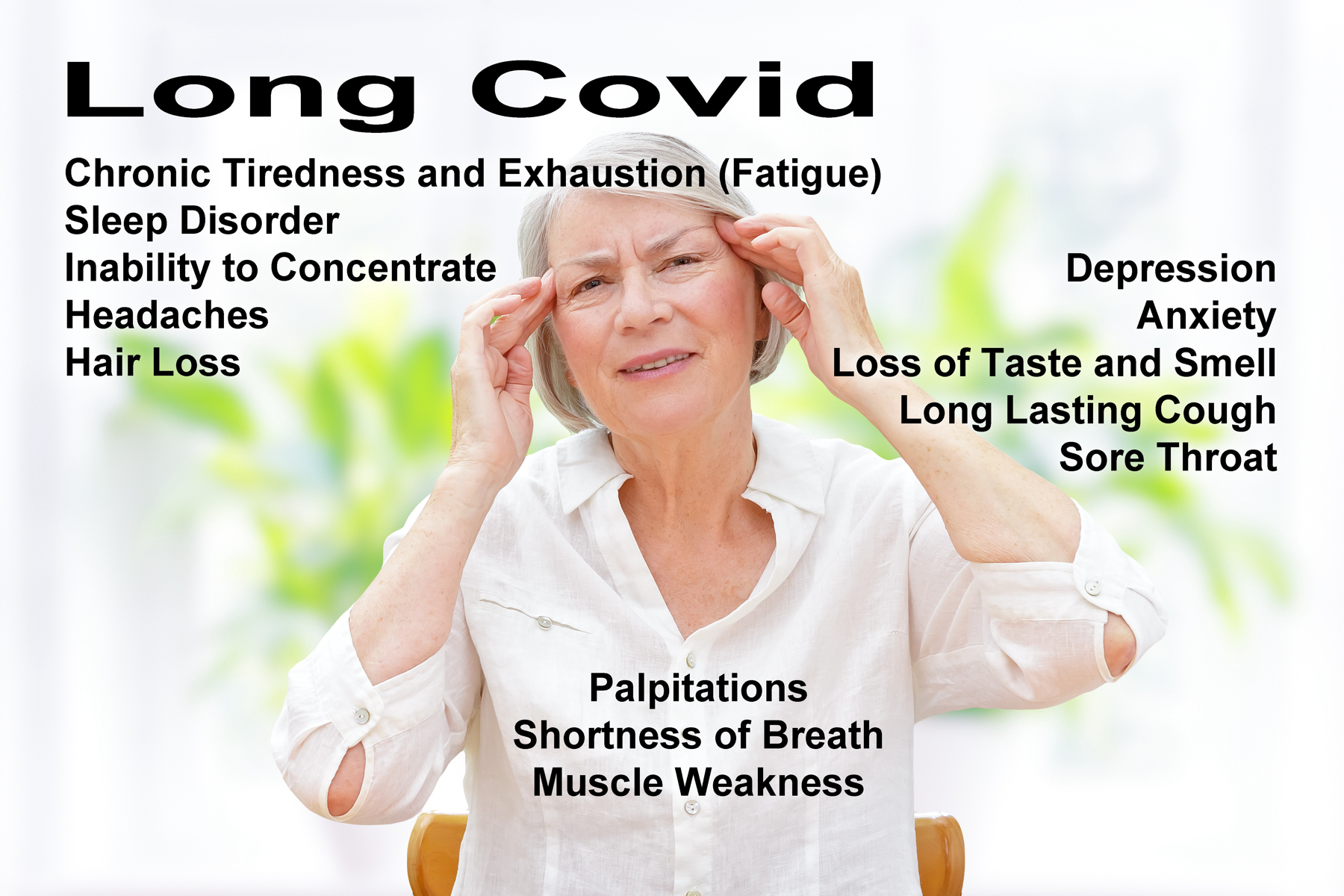
When blood sugar is off you start to get some or all of the low thyroid symptoms below:
- Fatigue
- Weight Gain
- Depression
- Constipation
- Hair falls out easily
- Dry skin
- Poor circulation and numbness in hand and feet
- Morning headaches that wear off as day progresses
Diabetes is becoming so prevalent in the United States that authorities are predicting that it may bankrupt the healthcare system.
I see people everyday that have medical histories that scream that they have a thyroid problem, yet they continue to suffer because no one ever looked at the whole picture. There are ways to take care of the underlying problems that lead to low thyroid symptoms. Natural treatment options in the Shelby Township, Macomb County Area of Metro Detroit by a doctor who cares.
For more details about the natural approach I take with my patients, take a look a the book I wrote entitled: Reclaim Your Life; Your Guide To Revealing Your Body's Life-Changing Secrets For Renewed Health. It is available in my office or at Amazon and many other book outlets.
If you found value in this article, please use the social sharing icons at the top of this post and please share with those you know who are still suffering with low thyroid symptoms or other chronic health challenges, despite receiving medical managment. Help me reach more people so they may regain their zest for living! Thank you!
All the best – Dr. Johnson – Digging Deeper To Find Solutions
Much appreciation to my colleague, Dr. Chris Heimlich,DC for allowing me to use his blog post as a model for this article. If you are in the Phoenix, Az area, this is the doctor to see for help!
Micronutrients such as niacin, magnesium, calcium, zinc, carnitine, inositol, alpha-lipoic acid, as well as vitamins E, B6 and D all play an important role in the prevention and management of patients with diabetes.
Though diabetes is a serious disease and is often caused by autoimmune processes - with the right treatment - living a longer, healthier life can be made easier.
The Role Of Miccronutrients In Diabetic Health
Vitamin E - Confers protection against diabetes by protecting pancreatic B-cells from
oxidativestress induced damage; May prevent progression of type I diabetes.
Vitamin D - Lowers risk of type I and 2 diabetes; Suppresses inflammation of pancreatic B-cells. Vitamin D receptor gene linked to diabetes.
Vitamin B3 - Preserves B-cell function in type I diabetics; Part of GTF (glucose tolerance factor) which facilitates insulin binding.
Vitamin B12 - Deficiency common in diabetics because metformin depletes B12.
Chromium - Helps insulin attach to cell's receptors increasing glucose uptake into cell; Deficiency can cause insulin resistance; Supplementation trials show dose-dependent benefits for type II diabetics.
Biotin - Stimulates glucose-induced insulin secretion in pancreatic B-cells; High dose biotin can improve glycemic control in diabetics.
Magnesium - Deficiency reduces insulin sensitivity; Low magnesium exacerbates foot ulcers in diabetics.
Zinc - Needed in the synthesis, storage and secretion of insulin; Protects pancreatic B-cells from damage; Affects the expression of genes linked to diabetes.
Lipoic Acid - Enhances glucose uptake in skeletal muscle tissue; Improves glucose tolerance in type 2 diabetics; very effective treatment for diabetic neuropathy.
Glutathione & Cysteine - Glutathione-containing enzymes protect B-cells which are particularly sensitive to oxidative stress; Type 2 diabetics have abnormal antioxidant status; Supplementation with the glutathione precursor cysteine restores antioxidant status. Glutathione is very helpful with modulating inflammation cascades so common in autoimmune processes.
Coenzyme Q10 - Protects kidney from diabetes related damage; Improves glycemic control in type 2 diabetics.
Glutamine - Stimulates a hormone called GLP-I (glucagon-like peptide I) that regulates insulin secretion after meals; Improves insulin signaling and sensitivity.
Carnitine - Reduces and even prevents pain from diabetic neuropathy; Improves insulin sensitivity by increasing glucose uptake and storage.
Inositol - Evidence suggests that inositol may be effective in treating diabetic neuropathy.
Vitamin C - Lowers glycolysated hemoglobin (HbA1c) and fasting and post-meal glucose levels and in type 2 diabetics.
Thanks goes out to Spectracell for their ongoing committment to providing effective testing that helps clinicians, such as myself, get to the root of our patient's chronic health challenges. I personally use Spectracell Micronutrient Testing as part of my investigation to determine the quantitative nutritional status of my patients. By knowing what foods and nutritional supplements can provide the nutrients a patient needs repletion with so their physiology works better, is an effective strategy for assisting in health recovery at Johnson Chiropractic Neurology & Nutrition.
To assess a copy of the flyer which illustrates the interaction of micronutrients and their effect on patients' diabetes click here:
If you found value in this article, please use the social sharing icons at the top of this post and please share with those you know who are still suffering with chronic health challenges or autoimmune issues despite having medical managment. Thank you, help me reach more people so they may regain their zest for living!
All the best – Dr. Johnson – Digging Deeper To Find Solutions
When we eat "dead" food, that is food lacking live enzymes, the result is incomplete digestion and breakdown.
Not only does this cause indigestion and the resulting complexity of related problems, but a varying reaction from the immune system.
When incomplete digestion occurs some whole foods may cross the gut wall into the portal circulation (blood stream). At this point, they are past the body's digestive capabilities. They can no longer be broken down for nourishment. They must now be treated as foreign invaders and are attacked by the immune system. Repeated activation of the immune system to food particles can trigger autoimmune illness, such as Hashimoto’s, Diabetes, Psoriasis, etc.[i]
As an immune system defense, the quantity of white blood cells is increased to meet this problem. This process is called "leucocytosis." Leucocytosis (high white count) is routine with infection, intoxication and poisoning. But, we are describing a condition that may burden the immune system every time we eat.
Suppose you had a cold or the flu and the body had to divert immune activities to handle partly digested food? The result could well be a prolonged illness.
Eating enzyme deficient food
According to Paul Kautchakoff, M.D., eating enzyme deficient food is a direct cause of leucocytosis[ii].
There are four groups of foods:
- Raw or frozen foods. These contain live enzymes and do not increase white blood cell (WBC) count.
- Cooked food. Usually, this only causes a mild WBC increase.
- Pressure-cooked or canned foods. Responsible for a moderate WBC increase.
- Artificial or highly processed food. These contain no "live" enzymes, thus causing a severe WBC increase. This category includes carbonated beverages, alcohol, white sugar, white flour, etc.
Kautchakoff found that cured, salted, canned, or cooked meats caused a violent reaction equal to poisoning. The white blood count increased dramatically. By clicking here, you can download an informative article published by Karutchakoff on the influence of cooked food on health back in 1930.
Eating dead food also prolongs food transitory time. This is the length of time food remains in the body before elimination. The longer the transitory time the more ferments occur and toxic effect the food has. This contributes to added health problems.
The white blood cells (leukocytes) carry on similar functions during infections when they digest foreign, protein-based particles.
Raw food naturally contains live enzymes. The body needs them to be intact when the food is eaten to aid in pre-digestion. When food is heated (118 degrees fahrenheit, or higher) or highly processed, the live enzymes are destroyed. The result is indigestion, heart-burn, gas and other problems. Worst of all, the immune system must deal with undigested food particles in the blood. The immune system destroys them, but may neglect other functions to do so.
Conditions
Undigested foods absorbed into the blood stream is a primary cause of allergies. This condition causes an immune histamine reaction resulting in allergy symptoms flaring.
A leading cause of fibromyalgia is the systemic foreign antigens circulating in the blood. They can slow healing and promote and prolong pain caused by inflammation. This condition reduces immune system efficiency.
Only through proper digestive function and an intact barrier in the intestinal mucosa can you stop foreign antigens from entering the blood and causing their adverse effects.
Through widespread education of the public, most patients accept some responsibility for their health. People know that faulty eating brings on unwanted conditions and contributes to overall poor health. They know that what they eat is their choice and that somehow it affects their health and inclination to sickness.
Guidance required
You know you can influence your health by controlling diet, exercise and environment exposure. However, sometimes people need guidance from professionals. That is why I write so many articles and hold educational seminars throughout the year.
Supplementing with concentrated vegetable enzymes, especially when eating dead food is one good solution. At Johnson Chiropractic Neurology & Nutrition we recommend specialized enzymes that I test for bio-compatibility with Functional Neuromuscular Testing (FNMT) for each individual patient. By using FNMT, you can rest assured your body will be best served by the enzymes tested as appropriate for you. Eating food with live enzymes still intact is not always easy to do or even desired. The more we consume foods with live enzymes the better.
If you want to help avoid these problems, eat properly raw food with every meal. When you cannot eat right, take concentrated vegetable enzymes, as tested best for your body chemistry and makeup, with meals. I take two at the beginning of each meal.
Good concentrated vegetable enzymes operate in a pH range from 3.1 to 9.8. The best source is derived from aspergillus oryzae. They aid predigestion as well as complete food breakdown without adverse effect on body chemistry.
If you would like to be tested for what enzyme works best for you, just ask any of our team members at the front desk next time you are in the office.
If you found value in this article, please use the social sharing icons at the top of this post and please share with those you know who are still suffering with chronic condition symptoms despite having medical managment. Thank you, help me reach more people so they may regain their zest for living!
All the best – Dr. Johnson – Digging Deeper To Find Solutions
Food lectins are a class of proteins naturally found in various plants. The specific type of lectin varies by the plant they are in. These proteins were given the name lectin by their discoverer, William Boyd who was an immunochemist, anthropologist and author. He chose the name lectin because it is Latin for "I Choose". Lectins are very specific in their action, in that they have an affinity for carbohydrates.
Remember that the surface of our blood cells are lined with carbohydrate structures that confer our specific blood type. In addition our entire intestinal tract and in particular our small intestine in lined with a protective carbohydrate "slime layer" called the glycocalyx.
Lectins are very specific and like to attach to very specific carbohydrates and cause the cells they bind to, to clump together, a process called agglutination. Some lectins are lethal and cause death in short order if they get into the bloodstream. One such lectin is ricin, which is derived from the castor bean plant. In fact the KGB used a small platinum pellet covered with ricin to kill BBC commentator, Georgi Markov. The assassin used the tip of an umbrella to fire the ricin laden platinum pellet into Markov's leg while he was waiting at a London bus stop.
Many food lectins can interact with and damage the delicate lining of the small intestine and lead to a "leaky gut" via inflammation of the microvili (the finger like projections of the intestinal cell that increase surface area). certain microbes can accomplish the same task (creating inflammation) due to lectins they contain as well. The small intestinal microvilli also can bring these food lectins into the bloodstream via a process called endocytosis, which is a way of transporting nutrients and other items from the intestinal lumen into the blood stream. Here is a short video explaining the concepts of lectins and their absorption:
Leaky gut is a name used to describe intestinal or bowel increased permeability. The gut becomes leaky in the sense that bacteria, fungi, parasites and their toxins, undigested protein, fat and waste normally not absorbed into the bloodstream in the healthy state, pass through a damaged, hyperpermeable, porous or "leaky" gut.
Why is leaky gut syndrome important? The leaky gut syndrome is almost always associated with autoimmune disease and reversing autoimmune disease depends on healing the lining of the gastrointestinal tract. Any other treatment is just symptom suppression. An autoimmune disease is defined as one in which the immune system makes antibodies against its own tissues. Diseases in this category include lupus, alopecia, rheumatoid arthritis, polymyalgia rheumatica, multiple sclerosis, fibromyalgia, peripheral neuropathy, Addison's disease, chronic fatigue syndrome Sjogren's Syndrome, vitiligo, thyroiditis (Hashimoto's), vasculitis, Crohn's Disease, ulcerative colitis, urticaria, hives, diabetes, Raynaud's disease and Alzheimer's Disease and others.
One important way I help patients with autoimmune disease is to utilize the concepts of the Blood Type Diet and lectins in dietary management. Of course there are other concepts I blend into the "healing protocol mix" I call Johnson Neuro-Metabolic Therapy as well.
If you have an autoimmune condition, you owe it to yourself to explore this lectin concept in the overall healing journey to your healthy future. Call my office at 586-731-8840 to schedule your case review.
If you found value in this article, please use the social sharing icons at the top of this post and please share with those you know who are still suffering with low thyroid symptoms despite having medical managment. Thank you, help me reach more people so they may regain their zest for living!
All the best – Dr. Johnson – Digging Deeper To Find Solutions
In my practice I have found that patients who know and follow their basic ABO blood type diet as described in Eat Right 4 Your Type works very well. However, some individuals may not derive maximum benefit from the Blood Type Diet until they first determine their Secretor Status. Knowing this information then allows for the use of the more specific diet lists included in the book Live Right 4 Your Type. Both books were written by Peter J. D'Adamo.
In the genetics of the secretor system two options exist. A person can be either a secretor (Se) or a non-secretor (se). This is completely independent of whether you are a blood type A, B, AB, or O. Thus a person could be an A secretor or an A non-secretor, a B secretor or a B non-secretor, etc.
Secretors: In a simplified sense, a secretor is defined as a person who secretes their blood type antigens into body fluids and secretions like the saliva in your mouth, the mucus in your digestive tract and respiratory cavities, etc.
Non-Secretors: A non-secretor on the other hand puts little to none of their blood type into these same fluids.
As a general rule, in the US about 15-20% of the population are non-secretors with the remaining 80-85% being secretors. In my family of five, four of us are seceretors and only one is a non-secretor. Aside from the physical implications centering around whether you have blood type antigens in your body fluids or not, the secretor genetics have additional significance through the effects of gene linkage: In other words, the outcome of your secretor genetics 'links' to other seemingly unrelated genes and influences their function.
In addition, as a generality, being a Non-secretor (based on all of the available information) does actually appear to be a potential health disadvantage. At a very basic level, being able to secrete blood type into your saliva, mucus, etc. allows for an added degree of protection against the environment, particularly with respect to microorganisms and lectins.
Several years ago I developed the desire to learn the science behind the blood type diet as a way of life. The reason was my wife's chronic pains that I could not help with my chiropractic set of tools. I felt like my schooling had failed me in enabling me to help my most treasured relationship. In hind sight I now know that Sandy was meant to be in my life to help me learn many lessons. Most husbands need to admit this about their spouse. Sandy is an amazing woman and I would be lost in many ways without her. I am truly indebted to her.
My learning journey took me to the Institute for Human Individuality where I studied (and continue to do so today) the concepts behind the Blood Type Diet.
Your ABO blood type is controlled by your genetics, just as are your hair or eye color and many of your other attributes. The gene coding for your blood type lies on chromosome 9q34. However, other separate genes on chromosome 11 and 19 actually interact with your blood type gene, determining your ability to secrete your ABO blood type antigens into your body fluids and secretions. This is called the secretor gene, and by testing for this gene we can determine whether you are a secretor or non-secretor. A simple saliva test kit is available for about the fee for an office visit.
I focus a lot of my clinical efforts in helping people recover from chronic conditions such as diabetes, autoimmune thyroid, peripheral neuropathy, fibromyalgia, balance disorders, tinnitus, autism, ADD/ADHD, digestive and skin issues, etc. Knowing the connection between blood type and secretor status and susceptibility to these conditions is important.
Here are a few examples:
Autoimmune Disease
Non-secretors appear to have an increase in the prevalence of a variety of autoimmune diseases including ankylosing spondylitis, reactive arthritis, psoriatic arthropathy, Sjogren's syndrome, multiple sclerosis, and Grave's disease.
Diabetes, Heart Disease, & Metabolic Syndrome X
Non-secretors are at a greater risk of developing diabetes (especially adult onset diabetes); and they might be at a greater risk of developing complications from diabetes. Data allows the conclusion that Non-secretors are a risk factor for myocardial infarction and heart disease (note: this is particularly true for men).
Several different researchers have noted a connection between a metabolic syndrome called "Syndrome X" and Non-secretor blood types. Syndrome X is a clustering of metabolic problems comprised of insulin resistance (your cells do not respond effectively to the insulin that you create), elevated plasma glucose (high blood sugar), lipid regulation problems (elevated triglycerides, increased small low-density lipoproteins, and decreased high-density lipoproteins), high blood pressure, a prothrombic state (tendency to clotting), and obesity (especially central obesity or a predisposition to gaining weight in the abdomen).
This cluster of metabolic disorders seem to interact to promote the development of diabetes (adult onset type II), atherosclerosis, and cardiovascular disease. And while insulin resistance might lie at the heart of the problem, all of these metabolic disorders appear to contribute to health problems.
If you would like to find out your blood type and secretor status and how we might use this information along with other types of treatment, call my office at 586-731-8840.
In order to maximize your health and reduce your chances of developing autoimmune diseases such as Hashimoto's, Celiac disease, rheumatoid arthritis, diabetes and other illnesses, it pays to know your blood type. Let's explore this concept in more detail.
Most people pay little attention to their blood type as it seems it is only important when you are going to have an operation or other procedure when you might need blood products given to you...or when you are having a baby.
However, science has shown that blood type is indeed important for reducing disease and illness and living a more energetic, healthy life. A life that allows you more time to focus on your dreams, desires, family and friends...instead of visits to the doctor or hospital.
I earned certification in blood type science (under the tutelage of Dr. Peter J. D'Adamo) from the Institute for Human Individuality and currently hold a fellow from that organization. As a result of this training I have learned about the direct and indirect relationships between what we choose to eat and various disease processes that plague humanity and have seen first hand the benefits of using blood type in dietary recommendations.
Most people are familiar with ABO blood typing. There are 4 of these blood types: O, which makes up 45% of the worlds population, A, which comprises 40% of world population, B, which is 11% of global population and lastly AB, which only makes up 4% of the world's population.
Genetic control is what determines your specific blood type. Just a small piece of sugar thatʼs stuck on the outside of your red blood cell creates your blood type. Each one of your cells contains millions of different sugars, including the blood type sugars. These sugars are manufactured by the cell, controlled by your DNA. Just like eye or hair color is a genetic quality, your blood type is a very unique part of who you are. Your blood type doesnʼt change either- if youʼre AB, you will always be AB.
The sugar for type O
is fucose. The sugar for type A is a combination of fucose and N-Acetyl galactosamine (or GalNac for short). The type B sugar is fucose with D-Galactose. Type AB is a combination of A and B, with all three blood type sugars. This is why AB is the universal receiver of blood. The immune system works by identifying what is “you” and what is “not you”. Since AB has all three sugars on its blood cells, it recognizes each one and wonʼt cause a rejection. Type O is the opposite, known as the universal donor. Since O blood doesnʼt have GalNac or D-Galactose, it sees the other blood types as “not me” and will try to destroy them. The same is true for B and A. They can receive blood from O, but not from each other.
People arenʼt the only ones with blood types. The sugars (antigens) that make our blood type are actually all around us in the environment. They can be found in a variety of animals, microbes, dirt and even food. One example is the virus. Many types of viruses have antigens, like our own antigens, that are made of D-galactose. D-galactose is what makes blood type B, so when somebody who is type B contracts a virus, their chance of infection is greater. Just like a transfusion works on “self” vs. “non-self”, if a virus looks like you (type B), your body is going to be less likely to destroy it than if it looked like type A. The most important point is that some foods have blood type antigens too. The best example of this is milk, which contains large amounts of D-galactose, the type B sugar. Pork is another example, as a source of GalNac, the Type A sugar. Seaweed is a significant source of fucose, the sugar for all the blood types.
Foods also have substances known as lectins which act upon our specific blood type to cause various alterations in our body function such as:
- Causing our blood cells to stick together
- Trigger body-wide inflammation
- Act as insulin by attaching to insulin receptors on cells which leads to weight gain
- Trigger autoimmune attack
- Trigger digestive system malfunction and pain
- Creative intestinal damage leading to Leaky Gut Syndrome and as a result brain inflammation
- Interrupt nerve signals in the body and alter levels of neurotransmitters and thus cause nerve and brain malfunction leading to ADD and even Alzheimers disease.
- Create joint inflammation leading to various types of arthritis.
- Alter hormonal levels and lead to thyroid malfunction
- ...and more
Due to the many health damaging effects various lectins can have on the health of people with different blood types, I utilize blood type in my individualized dietary recommendations...with great success. I invite you to learn more so you can be healthier. Call me at 586-731-8840 and click on the link below for this awesome guide!
You have no energy – after work you come home and you’re spent – nothing is getting done around the house. Getting to sleep is easy, but you wake up multiple times at night, never getting the quality of sleep that might help you feel better. When the alarm goes off, the thought of getting up in the morning gives you angst because you wonder when it will ever get better.
Because you’re a guy you just trudge through your life thinking it will go away – but it hasn’t. You finally decide to go to the doctor and tell him about your fatigue and other symtoms. Your blood tests are fairly normal, except your triglycerides are a bit high along with marginally high cholesterol. Your glucose is near the top of the normal scale and your hemoglobin A1c (HA1c) is 5.7. So your doctor tells you to exercise more and take a liver damaging statin drug such as Zocor or Lipitor, because he scared you about the likelihood of having a heart attack or a stroke.
Unfortunately you don’t have any energy to exercise and the statin drug zapped even more of your energy and ruined the last vestiges of your sex drive.
You go back to the doctor and sure enough you have the dreaded “Low-T”. In fact you realize you are growing ‘man boobs’ (which happens when you have insulin resistance and an enzyme called aromatase converts too much of your testosterone to estrogen). You leave with a prescription for testosterone cream along with a couple of initial testosterone injections appointments. Unfortunately all the testosterone did was make you more irritable. You are still bone tired. Now every little challenge of the day sets you off and you’ve ruined your marriage because of one too many outbursts when you were asked to get something done. Feeling like this makes you wonder how the rest of your life will be. It doesn’t look very good.
This is a common scenario I see in my office. Fortunately all the various symptoms are linked and can be handled naturally – without drugs. After appropriate testing that delineates your unique pattern of metabolic dysfunction a treatment program (Johnson Neuro-Metabolic Therapy), using specific with dietary changes and specific supplements can help stabilize and rebalance your system. With time and some effort on your part you can finally feel 20 years younger and enjoy the life you once dreamed of.
This question is asked of me all the time. My first thought is to say, "just do it", but I usually refrain because I understand the frustration and the yearning to eat what ever you want - hey, I'm human too.
I have an autoimmune
condition and I am working on a plan to significantly reduce the chances of succumbing to disease processes that I have witnessed my dad, grandpa, grandma, mom, aunts and uncles develop as they aged.
I have a high motivation to stay healthy and active with a mind that works well into the next half of my life. That's the key - you have to keep you motivation constantly in front of you.
For some, the motivation is to stay away from bad things...for others, it is to move toward good things. Still others of us are motivated by a combination of both.
Autoimmune processes, like autoimmune thyroid (Hashimoto's and Graves), celiac disease, Parkinson's disease, multiple sclerosis, rheumatoid arthritis, diabetes and a host of others can be SIGNIFICANTLY affected by diet. Not only that but heart disease, peripheral artery disease or just being over-fat are directly related to diet.
The bottom line is you just have to find your motivation and keep that squarely in your mind....and speaking of that....use your mind, not your tongue or old habits to determine what you can or cannot eat any longer for your health's sake.
I was just on vacation to Jamaica for the first time. I can honestly say that both my wife and I were able to totally stay on our chosen health restoration/supporting diet while we were away. The picture at the beginning of the article was just one example of a breakfast I had. Whenever we went to a restaurant we would first browse the menu and determine things we could most safely eat and then we tweaked recipes with the help of the chef and our waiter or waitress. Restaurants these days are more than accommodating. Since we ate out every day (all inclusive) we also were sure to take our GlutenFlam enzymes to break down inadvertent gluten. When I eat out, I take 3 capsules just before I start eating.
I can say, it feels good to have some control of your health's destiny and to choose to be an active participant in the process of staying healthy. You can choose to do it too!
If you've had a chronic health challenge for a while such as; diabetes, rheumatoid arthritis, fibromyalgia, autoimmune thyroid, schizophrenia, ADD or ADHD, peripheral neuropathy, chronic fatique, irritable bowel syndrome, can't gain weight, can't lose weight, etc., you may have been tested for gluten sensitivity. That is great as your doctor was thinking out of the box.
More and more doctors are looking for gluten sensitivity and celiac disease as a root cause of many illness. In fact one in about 133 people have this malady and don't know it.
As I have discussed in prior articles, traditional testing for gluten sensitivity is just not adequete and as a result your health suffers. You end up merely having your symptoms treated with various drugs. The real cause continues to wreak havoc on your health and you are left to fall apart as you age. This does not have to be the case.
Recognizing the gap in testing, Dr. Aristo Vojdani has developed special tests to measure sensitivity to the gluten epitopes. Dr. Aristo Vojdani obtained his Ph.D. in the field of microbiology and clinical immunology with postdoctoral studies in tumor immunology at UCLA. Vojdani’s ongoing research, spanning a 40-year career, focuses on the role of environmental factors, such as toxic chemicals, infections and dietary proteins and peptides in complex diseases. An owner of 15 U.S. patents for laboratory assessments, he has published over 120 peer-reviewed articles in scientific journals. Dr. Vojdani is CEO and technical director of Immunosciences Lab., Inc. in Los Angeles, CA, a member of the editorial board of four scientific journals, and a guest editor of six journals.
What are gluten epitopes? How can you get tested for sensitivity to them? Those are the questions that will be answered in this article.
An epitope can be defined as an antigenic determinant which is a small specific portion of an antigen that is recognized by the immune system, driving the the immune system to produce antibodies against it.
The first epitopes that are important to test for are known as gliadin epitopes and consist of:
- alpha gliadin
- beta gliadin
- gamma gliadin
- omega gliadin
Research shows that 50% of children with celiac disease do not respond to alpha gliadin (the most common test for celiac disease as discussed in a previous blog post), but do test positive to a diverse set of gliadin and glutenin peptides, including 6 novel epitopes (Gastroenterology, 2002; 122:1729-1737). Other researchers have confirmed the folly of just testing alpha gliadin (Journal of immunology, 2009; 182:4158-4166). In fact wheat-dependent, exercise induced anaphylaxis (WEDIA) is an allergic reaction provoked by the combination of wheat-ingestion with physical excercise. Among wheat proteins, omega-5 gliadin has been reported as a major allergen in the anaphylaxis.
Gluteomorphin is an epitope that also needs to be tested for immune reactivity. a gluteomorphin is an opioid peptide that is formed during the digestion of the gliadin component of the gluten protein.
When I explain that a patient MUST eliminate wheat and other gluten containing grains from their diet, I have to tell them about possible withdrawal symptoms. Yes, you read that correctly - withdrawal symptoms. Gluteomorphin attaches to the same opiod receptors in the brain that morphine and other opiates do. So "going cold turkey" can lead to the individual feeling worse and developing new symptoms when starting a gluten-free diet. The symptoms can last a few days to several weeks! But if they don't remove gluten from the diet they will never get the chance to regain their health.
The epitope named prodynorphin is another opiod that is a basic building block of endorphins. Endorphins ("endogenous morphine") are endogenous (made by the body) opioid peptides that function as neurotransmitters (brain and nerve signaling chemicals). They are produced by the pituitary gland and the hypothalamus in the brain during exercise, excitement, pain, consumption of spicy food, love and orgasm, and they resemble the opiates in their abilities to produce analgesia (pain reduction) and a feeling of well-being (euphoria).
Prodynorphin has been shown to play a central role in many processes in the brain, including how well people feel about themselves, their memories, and their perception of pain. People who don't make enough of prodynorphin are vulnerable to drug addiction, schizophrenia, bipolar disorders, and a form of epilepsy. Gluten sensitivity is known to lead to prodynorphin antibodies and potentially to neurochemical disorders (brain chemical imbalance).
My blood type diet certification through the Institute for Human Individuality has alerted me to the issues related to the next epitope to be discussed; Wheat Germ Agglutinin (WGA). Wheat germ agglutinin is a lectin found in wheat. Lectins have the ability to attach to sugars or carbohydrates on the surface of human cells. What makes us have a particular blood type is the presence of a specific carbohydrate structure on our red blood cells. WGA can cause clumping of human red blood cells, a process called agglutination. The process of agglutination occurs when someone receives the wrong blood type during a blood transfusion. WGA is found in the highest concentration in whole wheat products, including whole sprouted wheat bread and other products.
Of course wheat germ agglutinin is NOT found with traditional gluten testing. It is important to note that WGA can do direct damage to the tissues of the body even if you do not have the genetic tendency to react to gluten - meaning you don't have to have gluten or celiac sensitivity genes to react to WGA. In fact WGA can pass through the blood-brain barrier and attach to myelin and inhibit nerve growth factor. Myelin is the protective sheath on nerves and nerve growth factor is important for the growth and maintenance of neurons. So, if you are so predisposed,
wheat can cause brain damage!
Anti-WGA antibodies can also cross react with other proteins, which means they may contribute to autoimmunity. Remember autoimmunity means your own immune system attacks your own body tissues. WGA plays a role in the development of celiac disease that is entirely distinct from that of gluten.
Another couple of epitopes to test for are transglutaminase and transglutaminase bound to gliadin. Tissue transglutaminase is an enzyme that removes an amino group from gliadin (deamidation) and adds the remainder of the peptide to the existing protein. When transglutaminase is bound to gliadin a new antigen is formed which has been shown to promote immune activation and is stongly linked to celiac disease.
Hopefully by now you are following the concept that there are many things your body's immune system can react to (antigens) in a way that causes illness. If you don't get tested for these things you will potentially never get well - or worse - have added health challenges or disease to contend with as time marches on.
A few last words are necessary to further clarify one of the epitopes to consider before I end off this blog post.
Deamidated gliadin is the product of acid or enzymatic treatment of gluten often used in the food processing industry. The purpose of deamidating gluten (which is alcohol soluble) to make deamidated gliadin (which is water soluble) is to make the gliadin able to mix with other foods (like milk) without changing the foods' qualities. Unfortunately for us, our immune system is way more activated by deamidated gliadin!
These so-called wheat isolates have been shown in a double-blind, placebo-contolled study to cause problems. In this study, subjects did not react to native wheat flour, but had severe reactions to deamidated wheat isolates. (Journal of Allergy & Clinical Immunology, 2003 Apr;111(4):897-9.)
The extensive use of deamidated wheat isolates in the food industry may be the major cause of hidden food allergies. These isolates are used as food emulsifiers, gelling agents, film formation aids, stretchability agents in meat products, sauces, soups, and as clarifying agents in red wine. Researchers state: "Because food isolates or deamindated gluten are new food ingredients, when allergy to wheat is suspected, immune reaction to wheat isolates should be tested." (European Journal of Inflammationm, 2008. Jan;6(1):1721-1727.)
So to recap, you can get deamidated gliadin from the processing of wheat by food processors AND by your own body via the enzymye tissue transglutaminase.
It turns out that antibodies to deamidated gliadin is a better diagnostic test for celiac disease that the conventional gliadin antibody testing.
To make the diagnosis of gluten sensitivity more accurate, 3 different deamidated gliadin peptides should be tested for:
- deamidated 15 mer
- deamidated 17 mer
- deamidated 33 mer
Currently conventional laboratories are only testing for:
- alpha-gliadin antibodies
- tranglutaminase antibodies
Measurement of only these two antibodies will miss many cases of gluten sensitivity immune disorders.
Fortunately I am affiliated with a new advanced laboratory (Cyrex™ Laboratories) and they have a great test known as the Array 3 - Wheat/Gluten Proteome Reactivity & Autoimmunity test. All the items I wrote about in this blog article (and more) are tested via this profile.
So the good news is - even if other lab tests you have had during the search for the cause of your chronic health condition(s) turned up nothing - there is still hope.
Ordering, Questions and Technical Information
Any and all of the current Cyrex™ Arrays 1-4 may be ordered through Dr. Karl R.O.S. Johnson, DC.
If you have further questions, please send your questions to DrJohnson@wellnesschiro.com. I would encourage you to forward this information to any and all that you know.
If you found value in this article, please use the social sharing icons at the top of this post and please share with those you know who are still suffering with chronic condition symptoms despite having medical managment. Thank you, help me reach more people so they may regain their zest for living!
All the best – Dr. Johnson – Digging Deeper To Find Solutions