---
title: "Nutritional Strategies for Pain Management: A Natural Alternative to NSAIDs"
description: Discover how targeted nutritional strategies can offer powerful, drug-free relief for chronic pain, empowering you to take control of your health naturally.
image: https://www.helpmychronicpain.com/hubfs/images/AdobeStock_Blue%20Capsules_NSAIDs-1800.jpeg
---
[](https://www.helpmychronicpain.com)
[](http://helpmychronicpain.com/)
## Dr. Karl R.O.S. Johnson's Chronic Condition Natural Treatment Blog
*Intentional musings of a unique Shelby Township Michigan Chiropractic Physician dedicated to helping people find solutions to improving their health by rooting out causes to chronic conditions such as fibromyalgia, stubborn thyroid disorder symptoms, balance disorders, chronic knee & shoulder pain, migraines, sciatica, ADD/ADHD/ASD, back pain, peripheral neuropathy, gluten sensitivity and autoimmune disorders so they can Reclaim Their Life!*
# From the Desk of Dr. Karl R.O.S. Johnson, DC.....
## [Nutritional Strategies for Pain Management: A Natural Alternative to NSAIDs](https://www.helpmychronicpain.com/blog/nutritional-strategies-for-pain-management-a-natural-alternative-to-nsaids)
Posted by [Dr. Karl R.O.S. Johnson, DC](https://www.helpmychronicpain.com/blog/author/dr-karl-ros-johnson-dc) on Tue, Dec 16, 2025
Find me on:
[Facebook ](https://www.facebook.com/ShelbyChronicConditionDoctor) [LinkedIn](https://www.linkedin.com/pub/dr-karl-r-o-s-johnson-dc/26/676/422) [Twitter ](https://twitter.com/WellnessChiroMI)
- [Tweet](https://twitter.com/share)
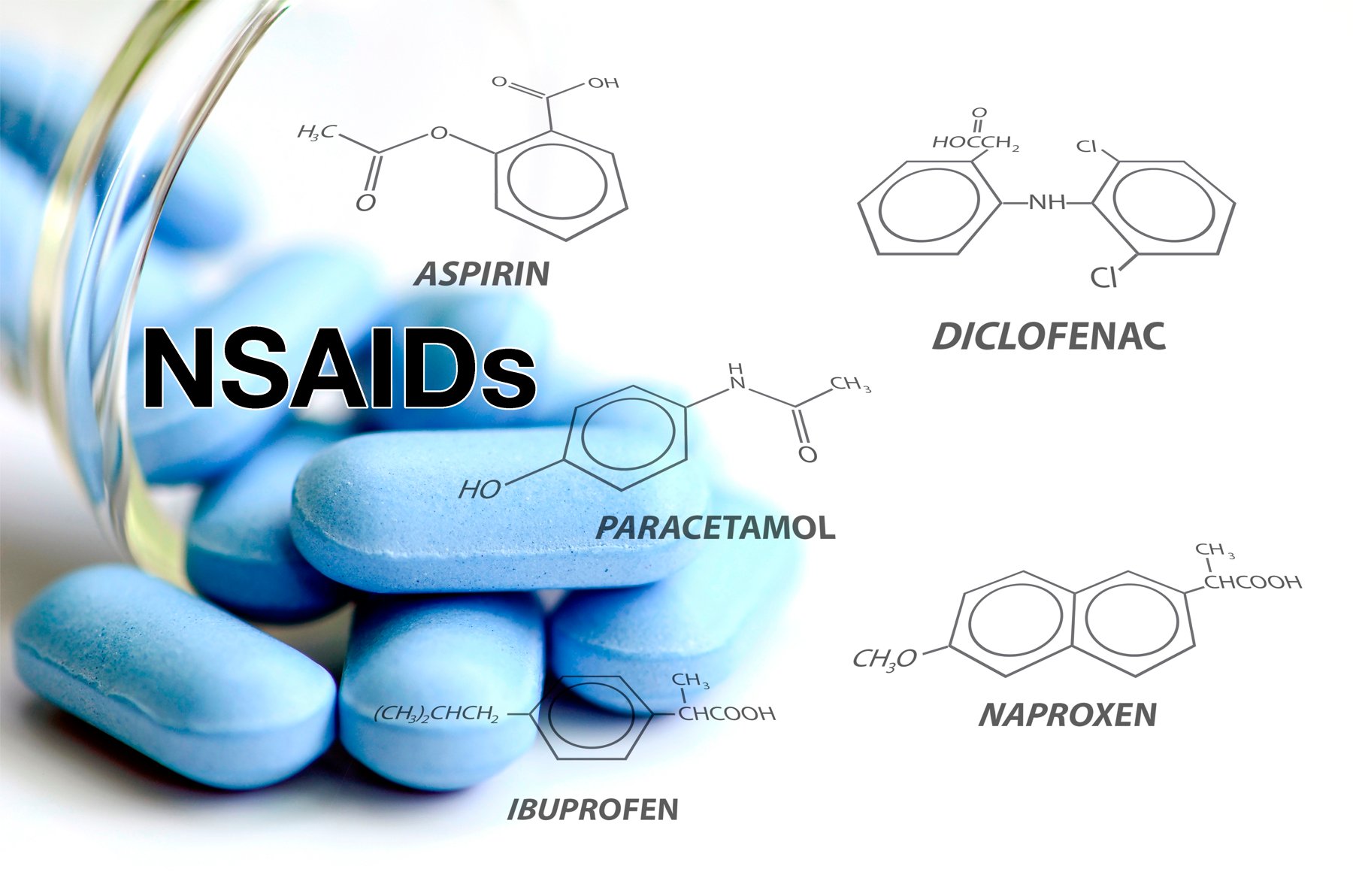Are you aware that nonsteroidal anti-inflammatory drugs (NSAIDs) such as aspirin and ibuprofen are counterproductive for bone and tissue healing when taken long term? Research suggests that by suppressing key inflammatory pathways involved in the early stages of repair, these medications can interfere with the body’s natural healing response, potentially slowing recovery of bones, tendons, and other soft tissues.1
Did you know these drugs can work against you from the beginning, even when taken short term? While they may temporarily reduce pain and swelling, they do not address the underlying drivers of chronic inflammation—and in some cases, repeated use can actually contribute to a cycle of delayed healing, increased tissue vulnerability, and ongoing discomfort.
Discover how targeted nutritional strategies can offer powerful, drug-free relief for chronic pain, empowering you to take control of your health naturally.
## Why NSAIDs May Be Working Against Your Healing
Long-term use of NSAIDs is well known to harm the kidneys, cardiovascular system, digestive tract, and even the integrity of bone, connective tissue, and muscle.2,3,4,5,6 Over time, this can mean higher blood pressure, impaired circulation, reduced kidney filtration, and a greater tendency toward tissue breakdown—exactly the opposite of what you want when you’re trying to heal.

These drugs work in part by blocking the prostaglandin pathway. Prostaglandins are signaling chemicals that the body produces, which act in many ways like hormones, influencing how various tissues respond to injury and inflammation. While certain prostaglandins (such as PGE2) are indeed inflammatory and can contribute to pain, others are protective and help form the mucus lining that shields the stomach and intestines. They also play a role in maintaining healthy blood flow to the kidneys and supporting normal bone turnover. Ongoing NSAID use can thin this protective layer, increasing the risk of irritation and ulcer formation, and may interfere with normal tissue remodeling and repair.
In addition, chronic suppression of prostaglandins can alter how blood vessels dilate and constrict, which may contribute to cardiovascular strain over time. Muscle and connective tissues can become more vulnerable when the natural inflammatory “signal” that initiates repair is repeatedly blocked. And as noted earlier, the digestive tract is not the only system affected by these over-the-counter anti-inflammatory medications—many patients find that the very drugs they rely on for relief may quietly be working against their long-term pain, mobility, and healing goals.
## Short-Term Impact of NSAIDs on Healing
When NSAIDs are used in the short term, they can still interfere with the body’s built-in repair mechanisms. Multiple steps within the inflammatory pathways must occur in sequence to resolve inflammation properly; if these steps are disrupted, it becomes harder for tissues to recover from runaway inflammation. Patients need to understand that certain inflammatory processes are essential in the early healing phase, and that NSAIDs may delay recovery by blocking the recruitment of immune cells and growth factors necessary for tissue regeneration. In addition, NSAIDs can numb pain coming from a spinal or joint misalignment (subluxation), when what is truly needed is a precise [chiropractic adjustment](https://www.helpmychronicpain.com/specific-chiropractic-spinal-and-extremity-adjustments) to correct the underlying cause of the pain.
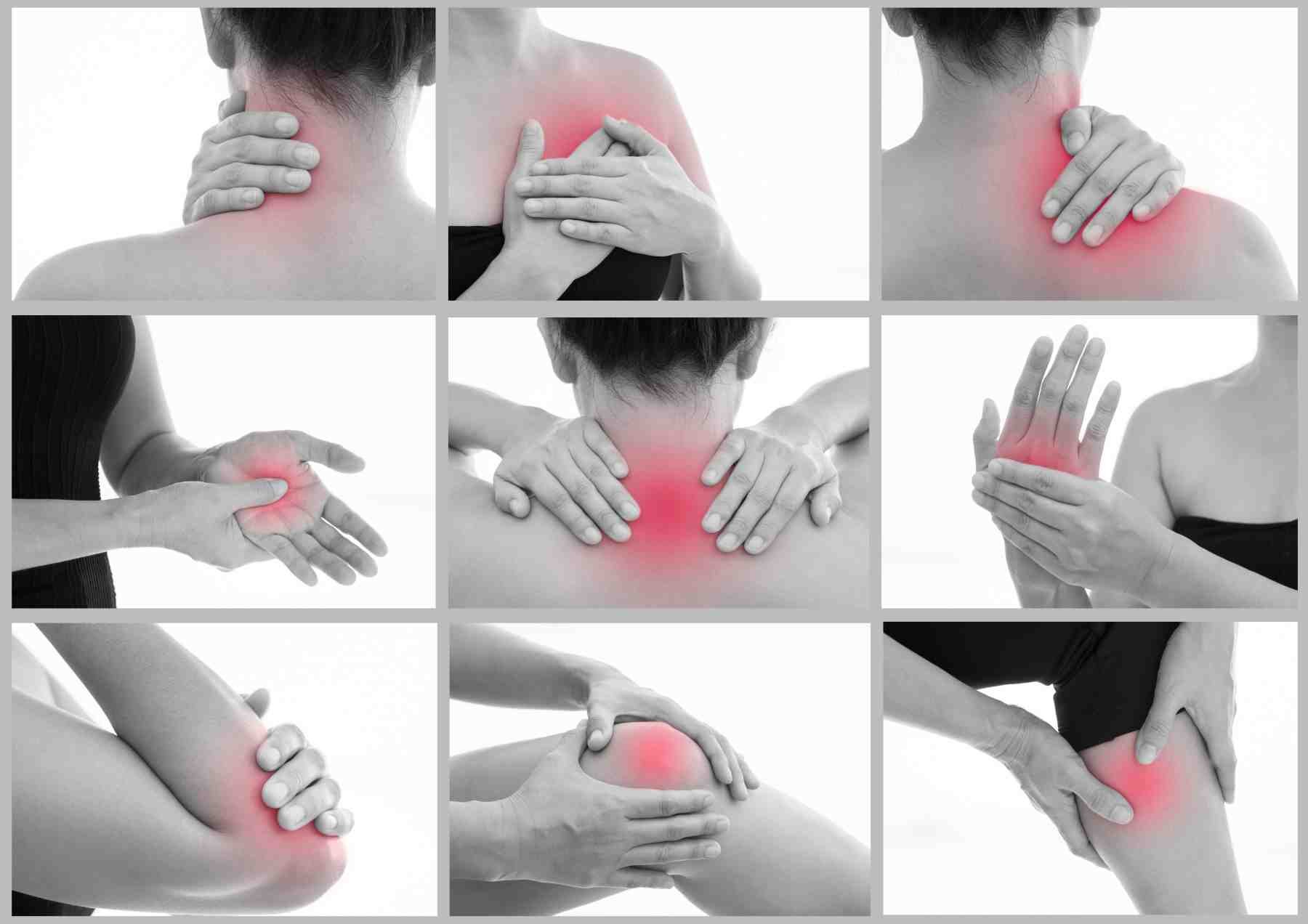
NSAIDs can also interfere with key resolution and repair pathways. For example, certain neutrophil-driven processes create an initial inflammatory response while simultaneously helping to clear it once healing has begun; NSAIDs can interrupt this built-in “start and finish” mechanism.7 Another example involves resolvins—specialized pro-resolving molecules made from omega-3 fats in fish oil. Resolvins help the body actively “turn off” pain and inflammation, yet NSAIDs have been shown to disrupt their production, undermining the very processes that are meant to complete healing and calm chronic inflammation.8
When we understand how NSAIDs may actually predispose us to ongoing pain and inflammation, the next step is to explore safer, evidence-informed alternatives that support the body’s own healing pathways. One of the best-known options is high-quality fish oil, rich in the omega-3 fatty acids EPA and DHA, which has been shown to help modulate inflammation and support pain relief.
For meaningful therapeutic benefit, it is essential to choose a high-quality, pharmaceutical-grade fish oil that has been molecularly distilled and thoroughly purified, so you are not adding extra toxins at the same time you are trying to support your health. If you would like to review how fish oil has compared with NSAIDs in clinical research, you can look into the work of Maroon and Bost cited in the references below.9
## The Connection Between Nutrition and Chronic Pain
Chronic pain is a complex condition influenced by many factors, including underlying inflammation, nerve signaling disruptions, and tissue health. Recent evidence highlights how nutrition plays a pivotal role in either aggravating or alleviating these issues. Poor dietary choices can contribute to systemic inflammation, making pain symptoms worse and prolonging recovery times. In contrast, targeted nutritional support may help modulate inflammation pathways, promote tissue repair, and support nerve function, creating a foundation for better, longer-lasting pain relief.
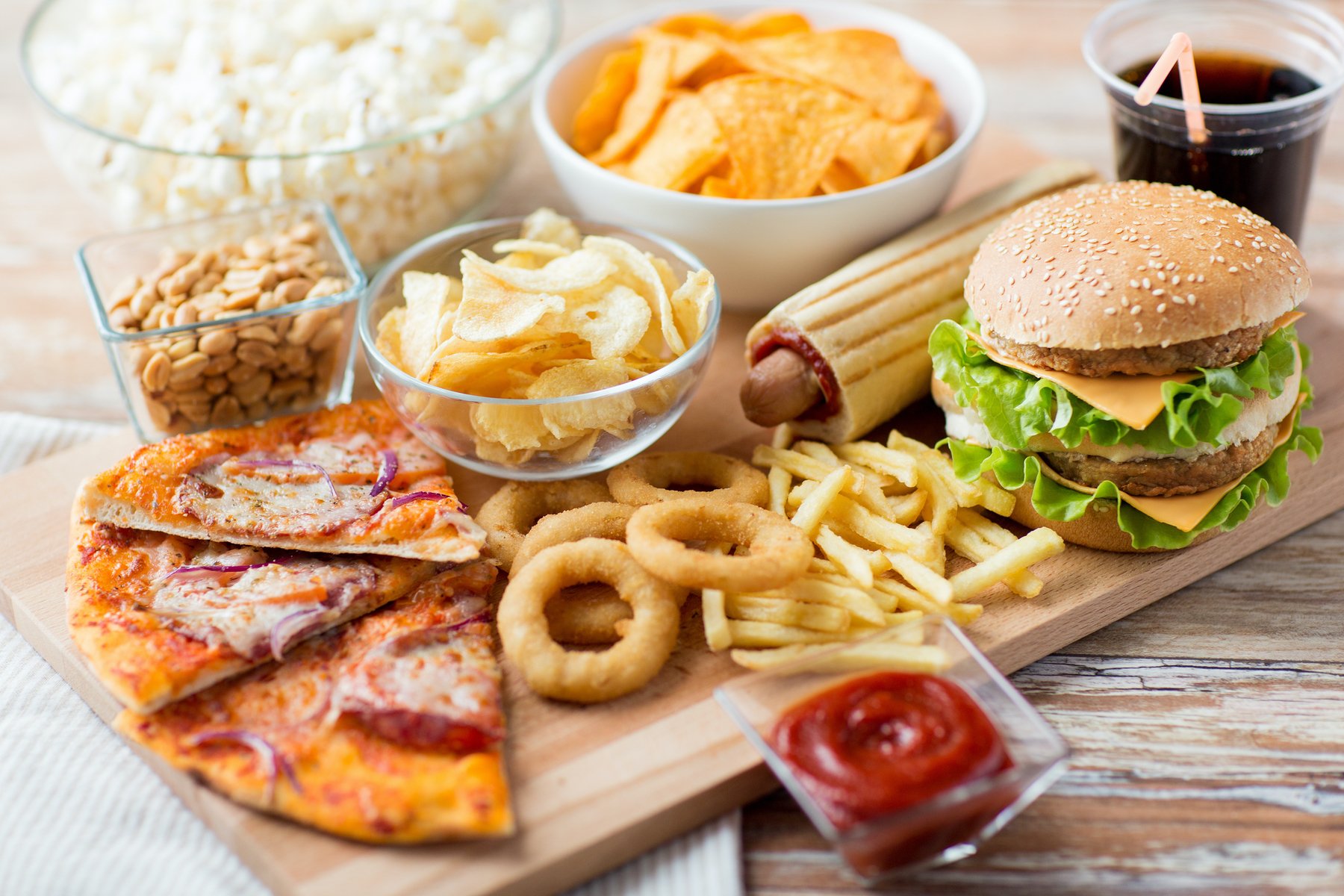
Understanding the relationship between what we eat and how our bodies respond to pain is essential for those seeking alternatives to chronic use of medications like NSAIDs. By focusing on diet, patients can address root causes rather than only masking symptoms.
## Key Nutrients and Foods That Naturally Combat Inflammation
Specific nutrients have been identified for their ability to reduce inflammation and support the body’s healing processes. Omega-3 fatty acids, found in wild-caught fish like salmon and sardines, as well as flaxseeds and walnuts, are powerful anti-inflammatory agents. Curcumin, the active compound in turmeric, has demonstrated effectiveness in reducing inflammation and alleviating pain symptoms in clinical studies. Other key nutrients include magnesium, commonly found in leafy greens and nuts, and antioxidants like vitamins C and E, which protect tissue from oxidative stress.
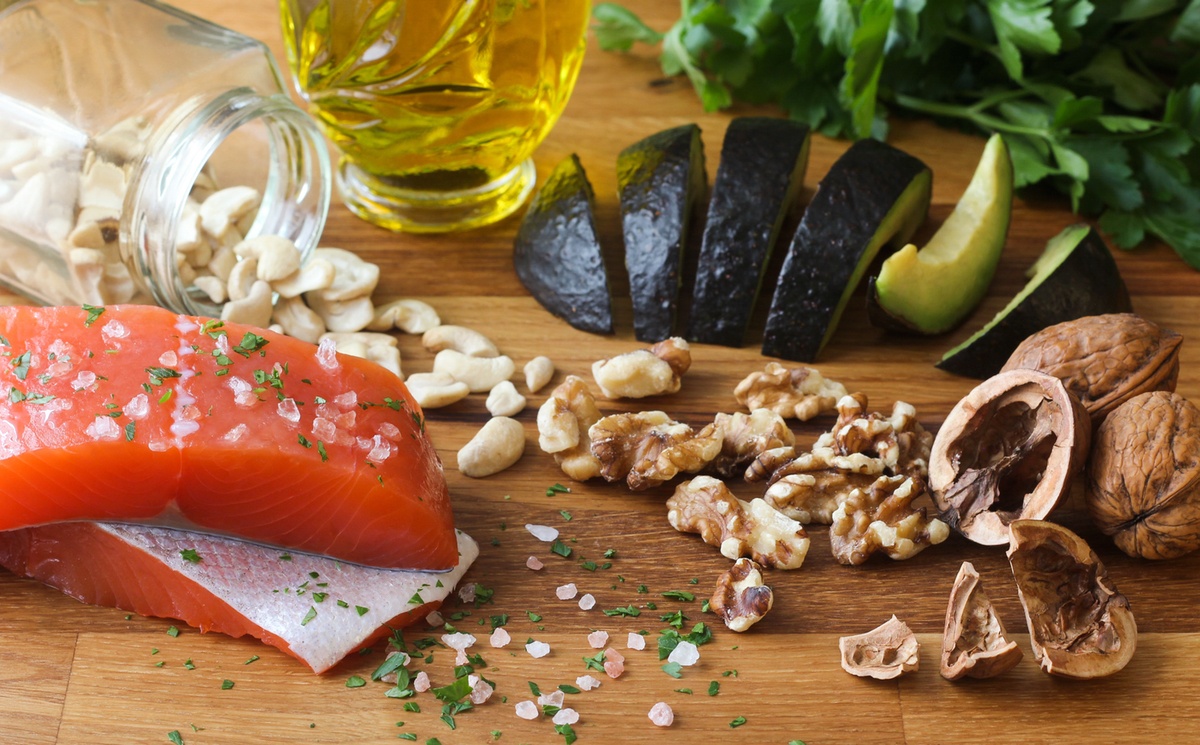
Incorporating a variety of colorful fruits and vegetables ensures a broad spectrum of phytonutrients that work synergistically to reduce inflammation. Avoiding processed foods, refined sugars, and excessive omega-6 fatty acids (common in processed vegetable oils) can further tip the body’s balance toward healing and away from chronic pain.
Other forms of nutrient support that modulate, rather than completely block, normal inflammatory pathways include connective tissue cofactors such as magnesium and manganese. Botanical agents like feverfew, white willow bark, valerian, passion flower, skullcap, and curcumin can serve as valuable adjuncts in a comprehensive, drug-free pain management plan.
Although they may sound like ingredients from your spice rack, culinary herbs such as ginger, oregano, thyme, and basil possess noteworthy properties when incorporated into a therapeutic protocol. Because oxidative stress is a key driver of inflammation, nutrients with antioxidant activity can indirectly downshift inflammatory signaling. These spices, rich in natural antioxidants, can therefore provide meaningful support for inflammation control when used consistently as part of a broader dietary pattern.
Cartilage-nourishing compounds, including N-acetyl glucosamine and proteolytic enzymes such as bromelain that help break down protein-based debris, may further assist tissue recovery. Topical applications containing proteolytic enzymes, arnica montana, aloe vera, peppermint, and similar ingredients can also complement internal nutritional strategies and enhance overall results.
## Minerals That Help Regulate Inflammation
Magnesium, in particular, has been shown to limit pro-inflammatory chemicals the immune system produces including NF-κB signaling, reduce cytokine production (including IL-6, TNF-α, and IL-1), and mitigate oxidative stress through effects on NMDA receptor activity—providing a higher level of support in inflammatory states. A meta-analysis of more than 90 studies found that magnesium supplementation was associated with lower levels of C-reactive protein, a key blood marker of systemic inflammation.10 By easing oxidative stress, magnesium may also help keep inflammation from spiraling beyond its normal, self-limiting cycle.11
Manganese is frequently bound by calprotectin during inflammation (calprotectin makes up most of the soluble protein content of the neutrophil cytosol—and neutrophil activity is a key step in properly resolving inflammation).12 Adequate manganese intake helps support healthy ligaments and other connective tissues and may contribute to maintaining the benefits of spinal and joint adjustments.
## Healing-focused herbs and plant-based remedies
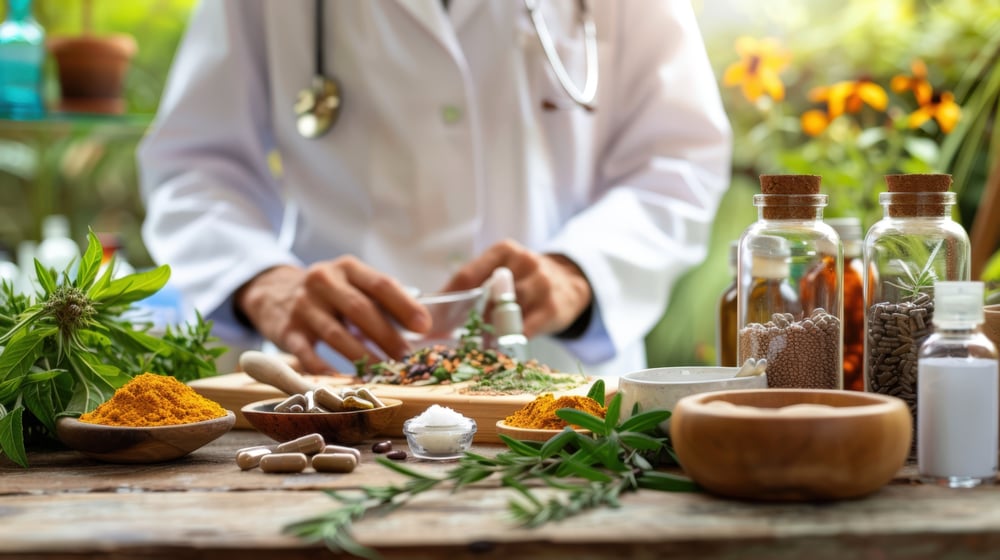
Feverfew provides parthenolide (along with flavonoid glycosides and other constituents), which can influence pro-inflammatory NF-κB activation, the pro-inflammatory cytokines IL-6 and TNF-α, and related gene expression. Feverfew has been described as having “multiple pharmacologic properties” and functioning as a “multipurpose medicinal agent.”13 Among its many actions, feverfew can offer supportive benefits during the inflammatory response.
White willow bark is best known as a source of salicylates, but it also contains phenols, flavanols, and procyanidins, and demonstrates strong antioxidant activity that can aid the resolution phase of inflammation. In fact, white willow bark has been shown to exhibit antioxidant potential stronger than vitamin C used as a reference standard.14 The same researchers noted that “specialized secondary plant metabolites (of white willow bark) are known to exhibit a wide range of biological activities.”
Valerian, passion flower, and skullcap have long been recognized as calming herbs that support the central nervous system. They can be especially helpful during periods of heightened inflammation and stress, including anxiety-driven inflammatory responses. Their primary effects are thought to occur indirectly through modulation of the hypothalamic–pituitary–adrenal (HPA) axis, support of GABAergic (neuroinhibitory) activity, and influence on cortisol balance.
Curcumin, the active compound extracted from turmeric, is perhaps one of the best-known natural agents for supporting healthy inflammatory responses. An umbrella review of 25 meta-analyses published in June 2025 concluded that “available evidence suggests that curcumin is a safe medicinal agent that improves multiple clinical outcomes,” including reductions in pain and inflammatory markers.15 Its mechanisms of action include effects on NF-κB, key cytokines such as TNF-α, IL-6, IL-1β, the NLRP3 inflammasome, and activation of Nrf2—a transcription factor that turns on genes involved in antioxidant defense.
Culinary herbs such as ginger, oregano, thyme, and basil are all rich in polyphenols and possess significant antioxidant activity. Because they are widely available and easy to incorporate into everyday meals, using them generously in salads and cooked dishes is a simple, practical way to add both flavor and ongoing support for healthy inflammation control.
Dietary Patterns That Support Long-Term Pain Relief
Rather than focusing solely on single nutrients, adopting overall dietary patterns proven to reduce inflammation offers the most sustainable benefits. Diets rich in whole, minimally processed foods—such as the Mediterranean or plant-forward diets—provide a consistent source of anti-inflammatory compounds and essential micronutrients.
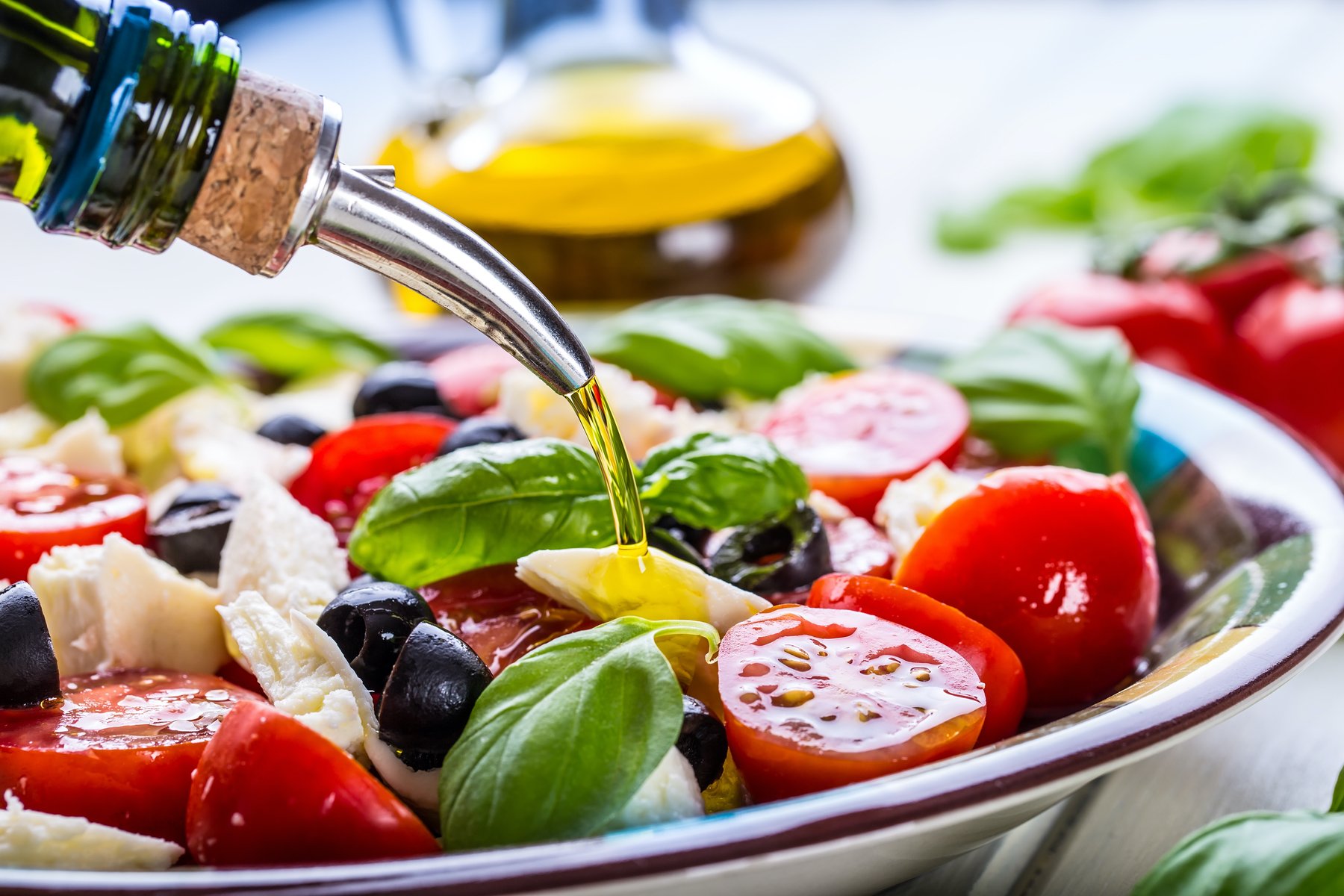
These eating patterns emphasize vegetables, fruits, healthy fats, lean proteins, and whole grains, while minimizing processed foods, added sugars, and excessive salt. By consistently nourishing the body with these foods, patients can create an internal environment more conducive to healing, potentially reducing their reliance on NSAIDs and decreasing the risk of long-term side effects.
## Integrating Nutritional Therapy with Other Non-Surgical Treatments
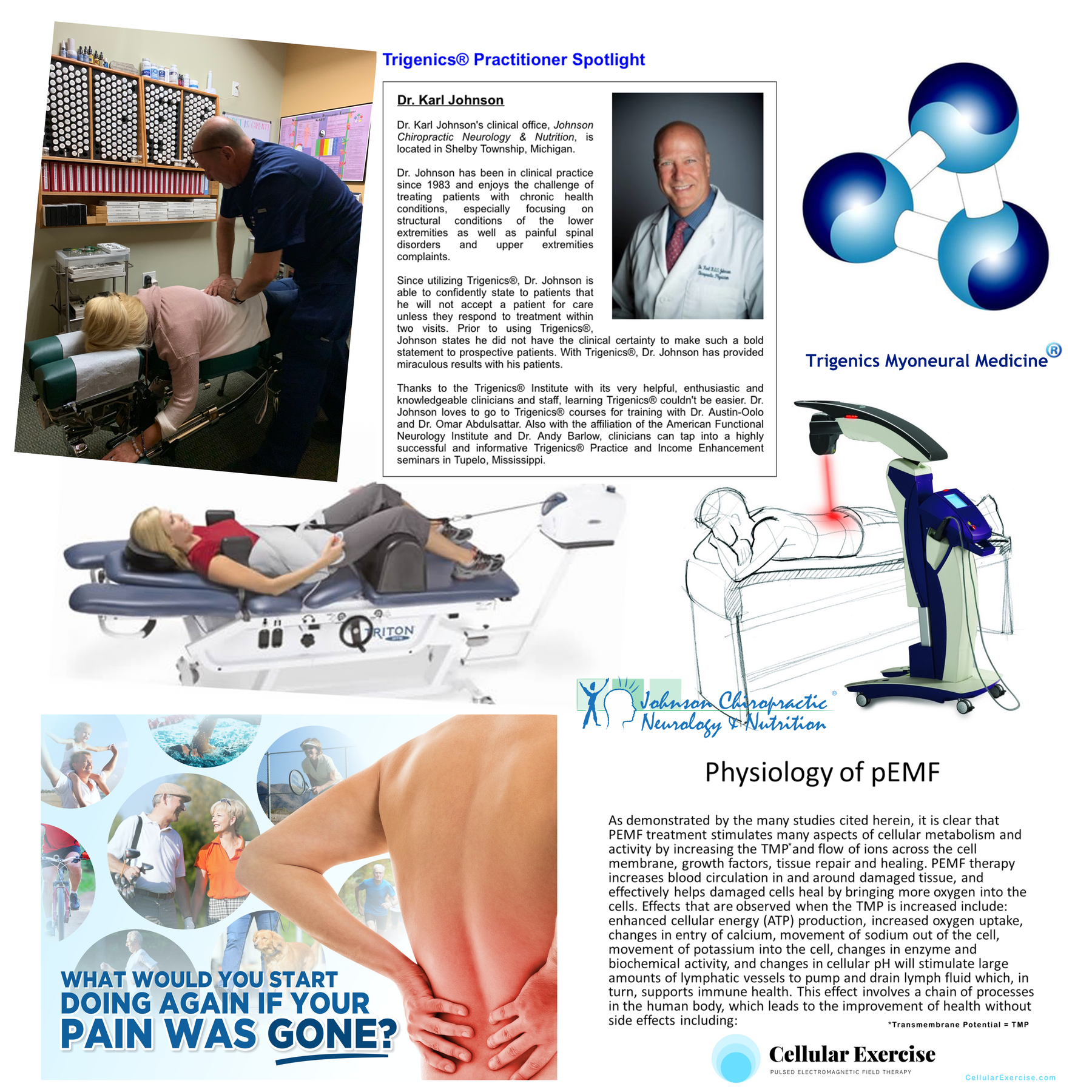
Nutritional therapy works best as part of a comprehensive, multi-modal approach to chronic pain management. When combined with [chiropractic care](https://www.helpmychronicpain.com/specific-chiropractic-spinal-and-extremity-adjustments), physical therapy, [PEMF (pulsed electromagnetic field) treatments](https://www.helpmychronicpain.com/pemf), and other non-invasive therapies, nutrition can amplify the healing response and help resolve underlying dysfunctions.
[](https://us.fullscript.com/welcome/jcnn/56cbc366e9)
For example, patients participating in neurological chiropractic programs or undergoing [laser](https://www.helpmychronicpain.com/pain-blasting-healing-laser-therapy) and [PEMF therapies](https://www.helpmychronicpain.com/pemf) often experience better outcomes when their nutritional status supports cellular repair and inflammation control. Collaborative care, where nutrition is integrated with manual therapies and lifestyle interventions, empowers patients to achieve long-term results without relying solely on pharmaceuticals.
## Practical Tips for Creating Your Personalized Pain Relief Nutrition Plan
Building a nutrition plan for pain relief starts with assessing your current eating habits and identifying triggers that may worsen inflammation. Keeping a food diary is a practical first step. Focus on gradually increasing the intake of anti-inflammatory foods—such as berries, leafy greens, fatty fish, and nuts—while cutting back on processed snacks and sugary beverages.
Partnering with a qualified practitioner—such as Dr. Karl R.O.S. Johnson, DC—can help you tailor these strategies to your individual needs, particularly if you are dealing with autoimmune or metabolic challenges. Plan on periodic reassessments to monitor your progress and fine-tune your approach over time. Consistent, manageable changes implemented day after day are often what create the most durable improvements in pain control, mobility, and overall health.
[](https://cta-redirect.hubspot.com/cta/redirect/67234/18beb174-b53e-4a4d-8018-f3bb7049a9e7)
Please spread the word and inspire others to take control of their health and wellness.
To learn more, [check out what makes my philosophy unique](https://www.helpmychronicpain.com/what-makes-me-unique/) among healthcare providers.
---
Always remember one of my mantras, "The more you know about how your body works, the better you can take care of yourself."
---
For more details about the natural approach I take with my patients, take a look at the book I wrote entitled: [Reclaim Your Life; Your Guide To Revealing Your Body's Life-Changing Secrets For Renewed Health](https://www.helpmychronicpain.com/reclaim-your-life/). It is available in my office or at [Amazon](http://amzn.to/TmPgZW) and many other book outlets. If you found value in this article, **please use the social sharing icons at the top of this post and please share with those you know** who are still suffering with chronic health challenges, despite receiving medical management. Help me reach more people so they may regain their zest for living! Thank you!
## ALL THE BEST – [DR. KARL R.O.S. JOHNSON, DC](https://www.helpmychronicpain.com/about-me) – DIGGING DEEPER TO FIND SOLUTIONS
[ ](https://www.helpmychronicpain.com/hs/cta/wi/redirect?encryptedPayload=AVxigLLLRzgh6Spy1F6AJ9SP0hq58fRINCbUAHgaZAVxqazs%2F5x1a8maSpr9M9EBcg5T9W%2Fo3rFZxrYxby6BWrrX4BJe5RQ%2BX8z3ahmolGstA%2FMxOuM1%2BxMr%2B62sY3PKPDeuhc%2FvTdtnJfOZdLHPL3X18E8QEpgXDLSMY6XbYxNZZc2kFtQNKpuqOg5GLl9Xknfs&webInteractiveContentId=198884999551&portalId=67234)
References:
1. Hertel J. The role of nonsteroidal anti-inflammatory drugs in the treatment of acute soft tissue injuries. JAM Train. 1997 Oct;32(4):3508. PMID: 16558472; PMCID: PMC1320354.
2. Wongrakpanich S, Wongrakpanich A, Melhado K, Rangaswami J. A comprehensive review of non-steroidal anti-inflammatory drug use in the elderly. Aging Dis. 2018 Feb 1;9(1): 143-150. doi: 10.14336/ AD.2017.0306. PMID: 29392089; PMCID: PMC5772852.
3. Varga Z, Sabzwari SRA, Vargova V. Cardiovascular risk of nonsteroidal anti-inflammatory drugs: an under-recognized public health issue. Cureus. 2017 Apr 8;9(4):ell44. doi: 10.7759/cureus.ll44. PMID: 28491485; PMCID: PMC5422108.
4. Gerriets V, Anderson J, Patel P, Nappe TM. Acetaminophen. 2024 Jan 11. In: StatPearls [Internet], Treasure Island (FL): StatPearls Publishing; 2025 Jan-. PMID: 29493991.
5. Su B, O'Connor JP. NS AID therapy effects on healing of bone, tendon, and the enthesis. J ApplPhysiol (1985). 2013 Sep;115(6):8929. doi: 10.1152/japplphysiol.00053.2013. Epub 2013 Jul 18. PMID: 23869068; PMCID: PMC3764618.
6. Hamilton A. Andrew Hamilton BSc Hons, MRSC, ACSM; author Sports Bulletin. 2021. 11(6).
7. Parisien M, Lima LV, Dagostino C, El-Hachem N, Drury GE, Grant AV, Huising J, Verma V, Meloto CB, Silva JR, Dutra GGS, Markova T, Dang H, Tessier PA, Slade GD, Nackley AG, Ghasemlou N, Mogil JS, Allegri M, Diatchenko L. Acute inflammatory response via neutrophil activation protects against the development of chronic pain. Sci Transi Med. 2022 May ll;14(644):eabj9954. doi: 10.1126/ scitranslmed.abj9954. Epub 2022 May 11. PMID: 35544595; PMCID: PMC10317000.
8. Serhan CN, Levy BD. Resolvins in inflammation: emergence of the pro-resolving superfamily of mediators. J Clin Invest. 2018 Jul 2;128(7):2657-2669. doi: 10.1172/JCI97943. Epub 2018 May 14. PMID: 29757195; PMCID: PMC6025982.
9. Maroon JC, Bost JW. Omega-3 fatty acids (fish oil) as an anti-inflammatory: an alternative to nonsteroidal anti-inflammatory drugs for discogenic pain. Surg Neurol. 2006 Apr;65(4):326-31. doi: 10.1016/j. surneu.2005.10.023. PMID: 16531187.
10. Mazidi M, Rezaie P, Banach M. Effect of magnesium supplements on serum C-reactive protein: a systematic review and meta-analysis. Arch Med Sci. 2018 Jun;14(4):707-716. doi: 10.5114/ aoms.2018.75719. Epub 2018 May 11. PMID: 30002686; PMCID: PMC6040119.
11. Cazzola R, Della Porta M, Piuri G, Maier JA. Magnesium: a defense line to mitigate inflammation and oxidative stress in adipose tissue. Antioxidants (Basel). 2024 Jul 24;13(8):893. doi: 10.3390/antioxl3080893. PMID: 39199139; PMCID: PMC11351329.
12. Marshall, WM et al. Clinical biochemistry: metabolic and clinical aspects (3 ed.). Elsevier Health Sciences, 2014.
13. Pareek A, Suthar M, Rathore GS, Bansal V. Feverfew (Tanacetum parthenium L): A systematic review. Pharmacogn Rev. 2011 Jan;5(9): 103-10. doi: 10.4103/0973-7847.79105. PMID: 22096324; PMCID: PMC3210009.
14. Piatczak E, Dybowska M, Pluciennik E, Kosla K, Kolniak-Ostek J, Kalinowska-Lis U. Identification and accumulation of phenolic compounds in the leaves and bark of Salix alba (L.) and their biological potential. Biomolecules. 2020 Sep 29;10(10):1391. doi: 10.3390/ bioml0101391. PMID: 33003576; PMCID: PMC7600001.
15. Xu Q, Lian H, Zhou R, Gu Z, Wu J, Wu Y, Li Z. Curcumin and multiple health outcomes: critical umbrella review of intervention meta-analyses. Front Pharmacol. 2025 Jun 5;16:1601204. doi: 10.3389/ fphar.2025.1601204. PMID: 40538540; PMCID: PMC12176752.
Topics: ["Dr. Karl R.O.S. Johnson](https://www.helpmychronicpain.com/blog/topic/quotdr-karl-ros-johnson), [Herbs](https://www.helpmychronicpain.com/blog/topic/herbs), [Anti-Inflammatory Herbs](https://www.helpmychronicpain.com/blog/topic/anti-inflammatory-herbs), [inflammation modulation](https://www.helpmychronicpain.com/blog/topic/inflammation-modulation), [Body Pain](https://www.helpmychronicpain.com/blog/topic/body-pain), [Reduce Inflammation](https://www.helpmychronicpain.com/blog/topic/reduce-inflammation), [Pro-Inflammatory Cytokines](https://www.helpmychronicpain.com/blog/topic/pro-inflammatory-cytokines)
### STAY INFORMED - Sign Up For Dr. Johnson's Blog Updates
Search This Blog
Search Google
[](https://cta-redirect.hubspot.com/cta/redirect/67234/18beb174-b53e-4a4d-8018-f3bb7049a9e7)
### Call Dr. Johnson
#### 586-731-8840
### Follow Me
### Latests Posts
### Most Popular Posts
[](https://cta-redirect.hubspot.com/cta/redirect/67234/9f6ed339-86f2-4e81-afff-effda60643ed)
[Powered by Eventbrite](http://www.eventbrite.com/)
- [Home](https://www.helpmychronicpain.com/)
- [About Dr. Karl R.O.S. Johnson, DC](https://www.helpmychronicpain.com/about-me/)
- [What Makes Me Unique and Effective?](https://www.helpmychronicpain.com/what-makes-me-unique/)
- [Blog](https://www.helpmychronicpain.com/blog/)
- [Services & Treatments](https://www.helpmychronicpain.com/services-offered/)
- [Insurance and Fees](https://www.helpmychronicpain.com/insurance-fees)
- [Chronic Knee Pain Help](https://www.helpmychronicpain.com/chronic-Knee-Pain-Help/)
- [Contact Us](https://www.helpmychronicpain.com/contact-us/)
- [Michigan Brain Health](https://michiganbrainhealth.com/)
- [Interactive Metronome for ADD/ADHD](https://www.helpmychronicpain.com/interactive-metronome-for-add-adhd/)
##### Community & Connection
- [Johnson Chiropractic Neurology & Nutrition](https://www.facebook.com/pages/Johnson-Chiropractic-Neurology-Nutrition/252448508120089)
- [Michigan Brain Health](https://www.Facebook.com/MichiganBrainHealth)
- [Michigan Neuropathy Solutions](https://www.Facebook.com/MichiganNeuropathySolutions)
- [Shelby Thyroid Answer Center](https://www.facebook.com/pages/Shelby-Thyroid-Answer-Center/130459820354585)
- [Follow our pins](https://pinterest.com/chirokarl/pins/)
- [Come be a part of our circle](https://plus.google.com/104616898007924191060/posts)
- [Subscribe to our channel](http://www.youtube.com/user/chironutrition)
##### Signs & Symptoms
- [ADD/ADHD](https://www.helpmychronicpain.com/add-and-adhd)
- [Numbness/Burning/](https://www.helpmychronicpain.com/peripheral-neuropathy-challenges-and-treatment/)[Tingling](https://www.helpmychronicpain.com/peripheral-neuropathy-challenges-and-treatment/)
- [Chronic Knee Pain](https://www.helpmychronicpain.com/chronic-Knee-Pain-Help/)
- [Shoulder Pain](https://www.helpmychronicpain.com/blog/normalizing-brain-body-communication-and-the-frozen-shoulder-connection)/[Limited Motion](https://www.helpmychronicpain.com/blog/normalizing-brain-body-communication-and-the-frozen-shoulder-connection)
- [Plantar Fasciitis](https://www.helpmychronicpain.com/blog/foot-pain-and-plantar-fasciitis-can-be-solved-without-surgery)/[Foot Pain](https://www.helpmychronicpain.com/blog/foot-pain-and-plantar-fasciitis-can-be-solved-without-surgery)
##### Chronic Conditions
- [Chronic Back Pain](https://www.helpmychronicpain.com/back-pain/)
- [Chronic Neck Pain](https://www.helpmychronicpain.com/neck-pain/)
- [Chronic Sciatica or Leg Pain](https://www.helpmychronicpain.com/sciatica/)
- [Chronic Knee Pain](https://www.helpmychronicpain.com/chronic-Knee-Pain-Help/)
- [Frozen Shoulder or Frozen Shoulder Impingment Syndrome](https://www.helpmychronicpain.com/blog/normalizing-brain-body-communication-and-the-frozen-shoulder-connection)
- [Neuropathy](https://www.helpmychronicpain.com/peripheral-neuropathy-challenges-and-treatment)
- [Plantar Fasciitis](https://www.helpmychronicpain.com/blog/foot-pain-and-plantar-fasciitis-can-be-solved-without-surgery)
##### Resources & Support
- [Patient Testimonials](https://www.helpmychronicpain.com/chronic-condition-testimonials/)
- [Michigan Brain Health](https://michiganbrainhealth.com)
- [Michigan Frozen Shoulder Clinic](http://www.michiganfrozenshoulderclinic.com)
- [Chiropractic & Nutrition Wellness Center](http://www.wellnesschiro.com)
- [Johnson Health & Wellness Center](http://www.johnsonhealthandwellness.com)
- [2-Days to Fitness Book](http://2daystofitness.com/)
- [Shelby Laser Health](http://www.shelbylaserhealth.com/)
- [TheDr.com (Gluten Coach)](http://www.thedr.com/)
**Dr. Karl R.O.S. Johnson, DC, BCN **| 51735 Van Dyke Avenue Shelby Township, MI 48316 | For appointments call: 586-731-8840
Use of this site constitutes your agreement to our [Terms of Service](https://www.helpmychronicpain.com/terms-of-service) and [Privacy Practices](https://www.helpmychronicpain.com/privacy-policy)
[© 2021 Johnson Chiropractic Neurology & Nutrition](https://www.helpmychronicpain.com/terms-of-service)
Notice: Dr. Karl R.O.S. Johnson, DC, BCN, DNMSc, FICPA, FIFHI is state licensed by the chiropractic board in Michigan to provide conventional chiropractic health care services and is also certified by the International Association of NeuroMetabolic Professionals to provide natural health services and therapies. The services provided to clients are intended to improve the adaptive physiology of the client through nutritional, exercise, lifestyle and physiological education, information, recommendations, and training. Conventional chiropractic and neurometabolic services are completely separate services and each is provided in strict compliance with the rules and regulations set forth by the separate agencies. If you wish to receive natural health services you must first sign a Client Services Agreement.