

Dr. Karl R.O.S. Johnson, DC
Dr. Karl R.O.S. Johnson is a chiropractic physician whose areas of expertise include chiropractic, functional medicine, functional neurology, and spinal rehabilitation. He is also a medical writer and the author of “Reclaim Your Life; Your Guide to Revealing Your Body’s Life-Changing Secrets for Renewed Health.” He also authored the “Ultimate Strategy" series of e-books on the topics of fibromyalgia, balance disorders, migraine, and other debilitating headaches, as well as unresolved thyroid symptoms. Since 1983, Johnson has owned and operated Chiropractic & Nutrition Wellness Center (now Johnson Health and Wellness Center) and Johnson Chiropractic Neurology & Nutrition at 51735 Van Dyke Avenue in Shelby Township, Michigan
Can't lose weight no matter what? Could the weight loss culprit be something as inconspicuous as mercury build-up in your body?
It is widely accepted that metal toxicity can impair neuroendocrine function. Simply put, this means that normal thyroid function can be impaired from toxic metals such as mercury, cadmium, lead and others.
What are Toxic Metals?
Toxic metals are metals that are not required or of use to your bodies chemistry. Mercury is the example we are all probably most familiar with. Toxic metals can also be variations of metals for which there is a biological use, but in the wrong form are toxic.
What is the Weight Loss Connection?
For the purpose of weight loss, or an inability to lose weight no matter what, the effect of toxic metals on thyroid function and estrogen production becomes of particular interest.
Read More
Topics:
Weight Loss,
Toxic Metals
Living with ADHD can be challenging, and part of this challenge can be discovering the right treatment options for your particular situation. The truth about most treatment options is that there is "no one size fits all treatment" that will work for each and every situation. Given that ADHD is a disorder that originates in the brain, it can make some treatment options risky to the individual, especially those considering pharmaceutical treatment options. Exploring natural treatment options that are proven effective and are backed by scientific research offer the potential to avoid the risks associated with other treatments and can potentially reduce the challenges you or your loved once face concerning ADHD.
Read More
Topics:
ADD,
ADHD,
Neurofeedback,
Interactive Metronome,
ADHD Treatments
Somewhere in all of your research you have probably read something about the little wheat protein called gluten that is causing a big fuss. Perhaps, you may be one of many people who is noticing the ever expanding Gluten-Free section at your local grocery store. What is the big idea with this little grain? After all, we have been eating it all of these years right? So why is it being ever so publicized today? Maybe perhaps it’s just a fad-diet? Well fad diet or not this gluten-free thing is here to stay, and it may be contributing to how you are feeling, especially those who have thyroid related issues.
Read More
Topics:
gluten sensitivity,
Hashimoto's,
gluten,
celiac disease,
gluten intolerance,
thyroiditis,
thryoid,
gluten cross-reaction,
thyoid disease
"Your child needs medication." At least that's what parents hear more often than not when learning how to handle an ADD/ADHD diagnosis. Naturally, you want your children to be able to operate at their personal best, but what happens hen that best starts to include medications that change your child's personality? What about the long-term health of your child? Many parents are begging for alternatives to help their children focus and pay attention.
Neurofeedback or EEG Biofeedback corrects irregular brainwaves and timing patterns in patients that have diagnoses like ADD/ADHD. Typical symptoms of this disorder include short attention spans, lack of ability to concentrate, being impulsive, hyperactivity, poor organizational skills, all of which often lead to learning and behavioral issues. These symptoms can be caused by brain irregularities, and neurofeedback trains the brain to adopt regular patterns leading to improved brain regulation. You can imagine the impact this could have as a truly drug-free therapeutic option!
Read More
Topics:
ADHD,
Neurofeedback
Guest blog by Ronald Grisanti, DC, DABCO, DACBN, MS
Attention-deficit disorder affects a startling 17 million people and seems to be gaining ground every year.As a parent of child suffering with this disorder.. what are you to do?? Attention-deficit disorder is the most frequently diagnosed childhood psychiatric condition in America. In the past most medical journals described this disorder as minimal brain damage, hyperactive child syndrome & minimal cerebral dysfunction.
Common Symptoms of ADD
The common symptoms include brief attention span, poor concentration, difficulty keeping track of things, making careless mistakes, impatience, difficulty waiting or taking turns, blurting out answers when not asked, impulsiveness, hyperactivity, failure to finish things off, lack of perseverance & poor organizing. These characteristics are frequently associated with difficulties in school, in both learning and behavior. Task that require concentration are nearly impossible causing frustration, irritability, agitation and often recklessness.
Read More
Topics:
ADD,
ADHD,
Anxiety,
Neurofeedback,
allergies,
Hyperactivity,
Attention,
QEEG
You’d have to live under a rock to not recognize the popularity of gluten-free diets by now. But if you think going gluten-free is just another fad, think again. Although it may be a passing fad for some, a gluten-free diet is powerful medicine for most.
The benefits, which attain almost miraculous heights for some people, vary depending on the person.
A gluten sensitivity is not a one-size-fits-all disorder with requisite symptoms. Contrary to popular belief, it does not simply cause digestive complaints (although it does cause severe digestive distress for many).
Read More
Topics:
autoimmune,
gluten,
gluten free,
ADD,
leaky gut syndrome,
Leaky Gut,
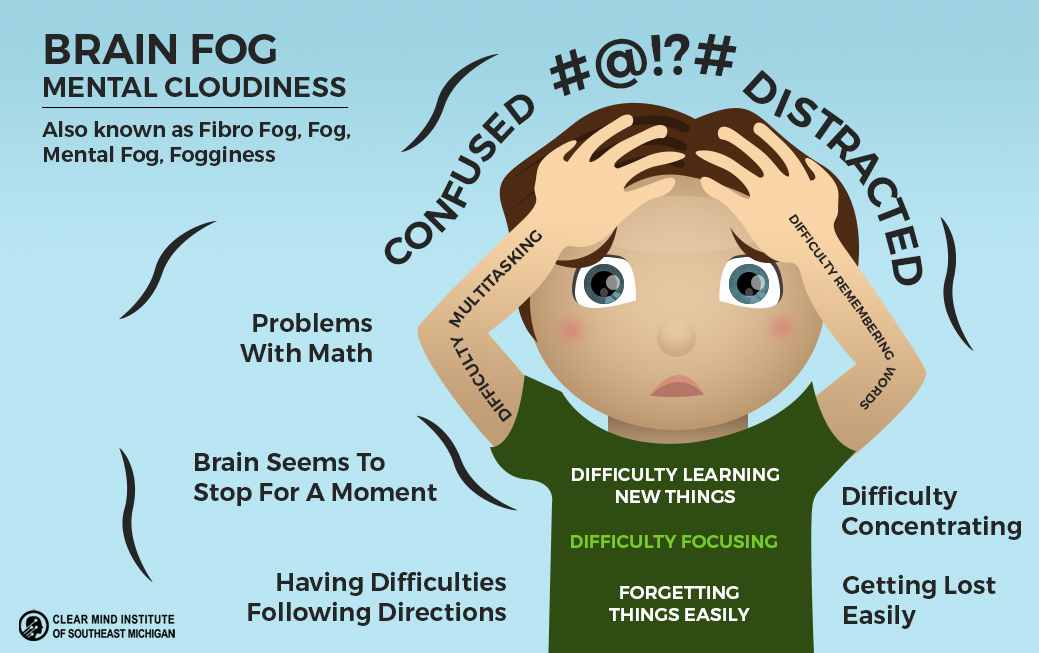
brain fog,
attention deficit disorder
Tendonitis in any area of the body can be quite painful and debilitating, often interfering with your daily lifestyle.
I often see patients who have tendonitis and the challenge is to help the patient understand the various steps and procedures that need to be undertaken in the healing of this type of injury. Of course there are many different places in the body a tendon can be injured but the wrist, knee, and achilles tendons are the most common ones I have seen. In this blog post I outline a few aspects about tendon construction, tendon healing, and natural methods (drug-free, surgery-free) that I and others have found to be helpful and effective to enable patients to get back to their normal lifestyle.
Tendonitis refers to inflammation of a tendon, which is the tough rope-like tissue that attaches muscles to bones. Tendons vary in form, and can be rounded cords, strap- like bands or flattened ribbons. [1]
Overuse, injury, and various systemic inflammatory conditions of the body can cause tendonitis. Some medical researchers state that the term tendonitis should be reserved for use only after performing a biopsy and then examining the tissue under a microscope and instead, the term tendonopathy should be used until a biopsy is performed. Regardless of the term used, a good understanding of how to best approach a tendon injury is important.
Read More
Topics:
Trigenics,
PEMF,
Anti-Inflammatory Herbs,
tendonopathy,
tenosynovitis,
de Quervain's tenosynovitis,
Tendonitis,
Laser