

Arthroscopic Meniscal Surgery vs. Non-Operative Care for Degenerative Tears: What the 5-Year Research May Be Telling Us
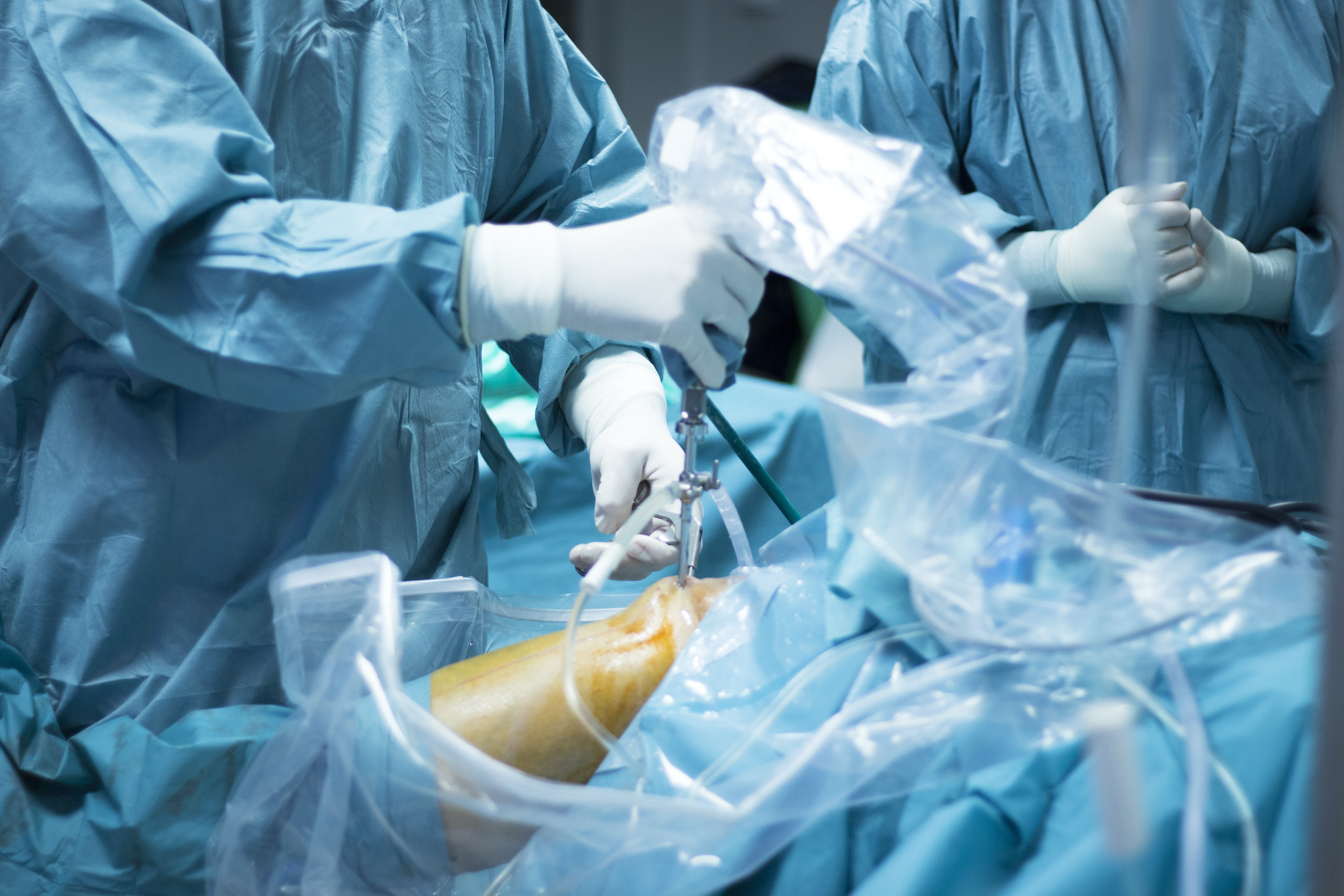
Getting out of a chair should not feel like a major event. Walking up stairs should not make you wonder whether your knee will catch, grind, or give out. Yet that is exactly where many people find themselves when they have chronic knee pain and are told they have a degenerative meniscal tear.
If you have been told that arthroscopic meniscal surgery is the obvious next step, it may be worth taking a closer look before moving forward.
A 5-year systematic review and meta-analysis of randomized controlled trials published in the Journal of Orthopaedic Reports found no significant long-term difference in pain, activity, or knee function between arthroscopic meniscal surgery and non-operative care for patients with degenerative meniscal tears and mechanical symptoms. Even more important, the surgical group showed significantly higher osteoarthritic progression over time. 1
That matters.
Because when long-term pain and function outcomes appear similar, but one path may be associated with greater arthritic progression, the decision deserves a deeper and more thoughtful evaluation.

Why This Research Matters
Degenerative meniscal tears are common, especially as people get older. When knee pain is paired with clicking, catching, popping, or a sense that the knee does not move smoothly, many people assume a procedure is the fastest way to solve the problem.

But research like this suggests the picture may be more complex.
Key findings from the 5-year review
- Arthroscopic meniscal surgery did not show significantly better long-term outcomes for pain
- Arthroscopic meniscal surgery did not show significantly better long-term outcomes for activity
- Arthroscopic meniscal surgery did not show significantly better long-term outcomes for knee function
- The surgical group showed a significantly higher rate of osteoarthritic progression over time
What that may mean for you
- A meniscal tear seen on imaging does not automatically mean a procedure is the best first answer
- Mechanical symptoms do not always mean the entire problem is coming only from the meniscus itself
- Long-term joint health should be part of the conversation, not just short-term symptom relief
- A thoughtful, non-surgical approach may deserve stronger consideration before a more invasive step is chosen

The Knee Does Not Work in Isolation
This is one of the most important things I want people to understand.
Your knee is not a simple hinge joint operating all by itself. The knee is connected to the foot, ankle, hip, pelvis, and lower back. Muscles and nerves operate across that entire chain. When one part of the chain is not functioning well, the knee is often forced to compensate.
That compensation can show up as:
Common patterns that may contribute to chronic knee pain
- Weakness in the quadriceps, the muscles in the front of the thigh
- Poor kneecap tracking or abnormal patellar motion
- Reduced hip extension
- Altered foot and ankle mechanics
- Imbalances in pelvic alignment
- Faulty movement patterns that place repeated stress across the knee joint
When those factors are glossed over, the true cause of the pain may be missed.
Why Looking Only at the Meniscus May Miss the Bigger Picture
A degenerative tear does not always explain the full clinical story.
Let me explain.
The meniscus helps cushion and stabilize the knee. But pain is not created by one structure alone. The way your nervous system controls movement, the way your muscles fire, the way your joints align, and the way force travels through your body all influence how your knee feels and functions.
Questions worth asking before choosing a last resort
- Is the knee being overloaded because of poor hip or ankle mechanics?
- Are the muscles around the knee firing with proper timing and coordination?
- Is nerve communication supporting good strength and stability?
- Is there loss of motion elsewhere in the chain that is forcing the knee to compensate?
- Has the whole pattern been evaluated, or only the image on the scan?
These are important questions because the neurology must also be understood. In other words, how are the nerves talking to the muscles? If the system is not allowing for proper strength, timing, and control, then pain and instability may continue even if one structure has been addressed.
For decades, Dr. Karl R.O. S. Johnson, DC (a certified Trigenics® and whole-body motion palpation practitioner) has paid close attention to whole-body mechanics and the way dysfunction in one area can affect the entire kinetic chain. His approach is thorough, patient-centered, and focused on improving function where support is needed.
A Non-Surgical, Whole-Person Approach May Deserve More Attention
When I evaluate someone with chronic knee pain, I am not only asking what the MRI shows. I want to understand how the entire neurokinetic chain is functioning.
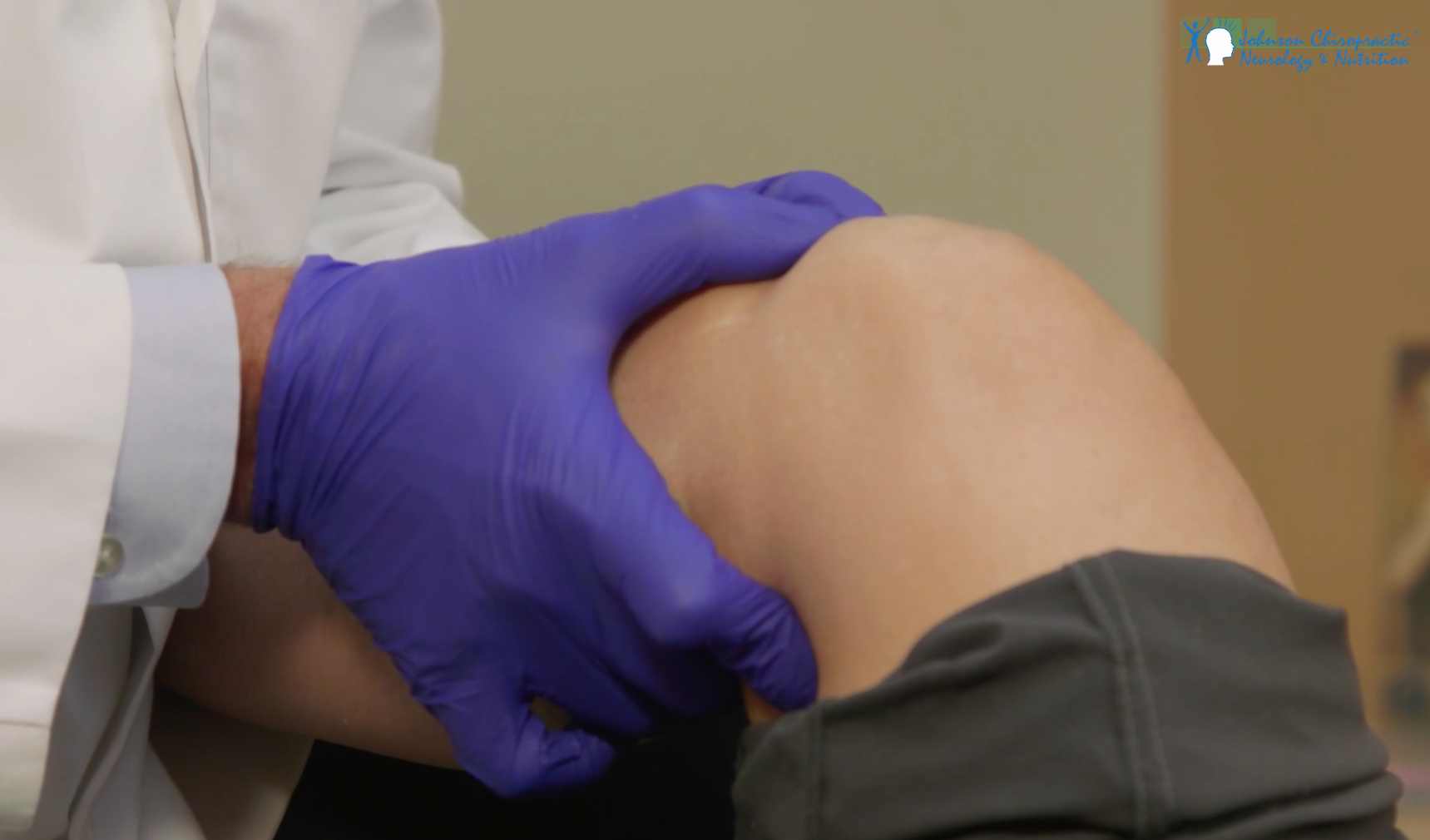
Doctors often refer to this broader relationship as the kinetic chain. I also want to know whether the nervous system is allowing the muscles to coordinate the way they should. If those signals are not working well, the knee may continue to carry abnormal forces.
What a more complete evaluation may include
- Foot and ankle mechanics
- Knee joint movement and alignment
- Hip and pelvic function
- Lower back involvement
- Muscle strength and timing
- Nerve function affecting the lower extremities
- Gait and movement patterns during standing and walking
Supportive Options That May Be Considered
Every case is different, and care should always be individualized. Still, a more complete, patient-centered plan may include a range of non-surgical strategies designed to support function, stability, and comfort.
 Depending on the case, supportive care may include
- Trigenics® to help retrain communication between the brain and muscles
- Specific exercise strategies to improve movement and support stability
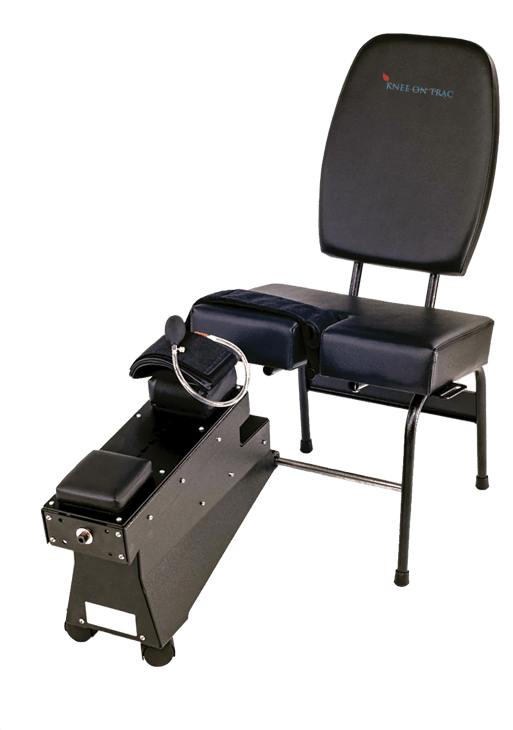
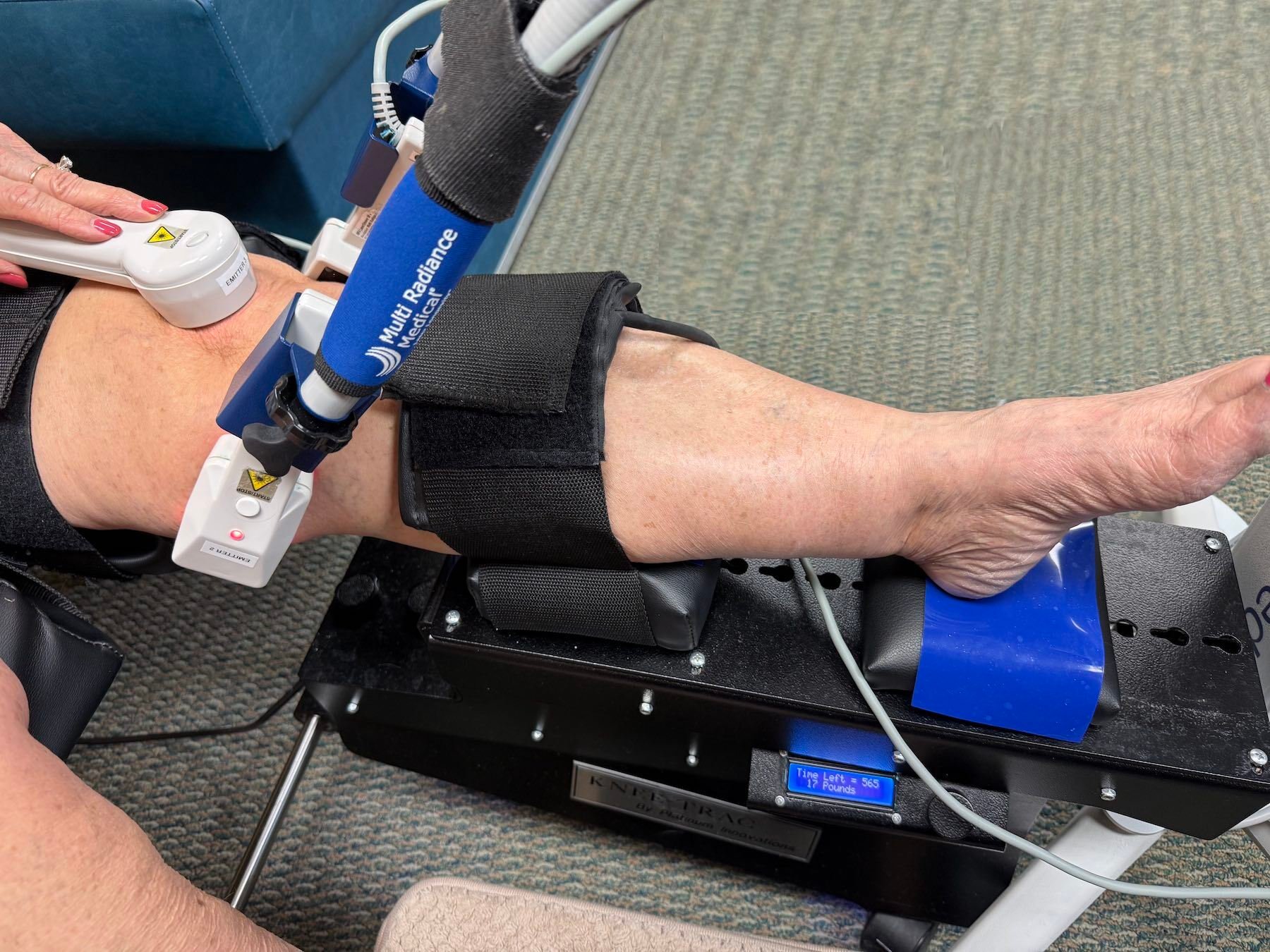
- Knee Trac axial knee decompression when appropriate
- Cutting Edge Laser to help with soft tissue healing
- Extremity and pelvic alignment work
- Nutritional support for joint, nerve, and tissue health
- Pulsed Electromagnetic Field Therapy (PEMF) as part of a broader supportive plan
- Custom-fitted orthotics when foot mechanics are contributing to the problem
- Lower back decompression when nerve interference may be affecting the lower extremities
None of these should be viewed as a one-size-fits-all answer. The point is to understand the pattern, identify the root cause, and build care around the individual rather than forcing every person into the same pathway.

What the Research Adds to This Conversation
The new review does not say every procedure is never appropriate. It does say something very important: long-term outcomes may not be better with arthroscopic meniscal surgery for degenerative tears with mechanical symptoms, and osteoarthritic progression may be higher in the surgical group.
That should encourage a better conversation.
Before moving forward, it may be wise to consider
- What your long-term goals are for knee health
- Whether the full neurokinetic chain has been evaluated
- Whether conservative care has truly been individualized and thorough
- Whether the decision is being based on function and root cause, not just imaging findings
- Whether there may be a better first step for your body
When It Is Time to Take a Closer Look
Chronic knee pain is not something you should simply accept as normal. And a degenerative tear does not automatically mean you are out of options.
If your knee clicks, grinds, catches, gives out, or makes everyday movement harder than it should be, a deeper evaluation may help you understand what is really driving the problem.
If you have been told that a degenerative meniscal tear leaves you with only one option, it may be time for a closer look.
At Johnson Chiropractic Neurology & Nutrition, we take a patient-centered, non-surgical, whole-person approach to chronic knee pain. We evaluate how the knee relates to the foot, ankle, hip, pelvis, lower back, muscles, and nerves so we can better understand what may be contributing to your pain and loss of function.
Here is your next step
- Call 586-731-8840 to schedule an appointment
- Find out whether a personalized, non-surgical approach may be appropriate for your case

Please spread the word and inspire others to take control of their health and wellness.
To learn more, check out what makes my philosophy unique among healthcare providers.
Always remember one of my mantras. "The more you know about how your body works, the better you can take care of yourself."
For more details about the natural approach I take with my patients, take a look at the book I wrote entitled: Reclaim Your Life: Your Guide To Revealing Your Body's Life-Changing Secrets For Renewed Health. It is available at my office, on Amazon, and at many other book outlets. If you found value in this article, please use the social sharing icons at the top of this post, and please share with those you know who are still suffering with chronic health challenges, despite receiving medical management. Help me reach more people so they may regain their zest for living! Thank you!
ALL THE BEST – DR. KARL R.O.S. JOHNSON, DC – DIGGING DEEPER TO FIND SOLUTIONS
Reference:
-
Zilani, Nafisa & Tan, Janice & Raj, Siddarth & Maris, Alexandros & Vasiliadis, Angelo & Patel, Akash. (2025). Arthroscopic Meniscal Surgery vs Non-Operative Treatment for Degenerative Tears With Mechanical Symptoms: 5-Year Outcomes Systematic Review And Meta-Analysis of RCTs. Journal of Orthopaedic Reports. 5. 100809. 10.1016/j.jorep.2025.100809.